
Heat pumps may feel like a modern clean-energy trend, but their commercial rise dates back to the 1950s, when a surge of interest in the United States helped shape the entire HVAC (heating, ventilation and air conditioning) sector. That decade established manufacturing norms, installation standards and market structures that still influence the industry today.
The post-war economic boom created strong demand for efficient home comfort systems, and heat pumps emerged as a promising alternative to purely resistive electric heating. Early adopters in milder US climates demonstrated the technology's viability, setting a blueprint that European and Asian manufacturers would later refine and scale.
Decades of cheap fossil fuels periodically pushed heat pumps to the margins, but energy crises — in the 1970s and again in the 2020s — reliably brought them back into focus. Today, driven by the EU's REPowerEU targets and soaring gas prices, heat pump sales across Europe have broken records, with countries like Poland, Germany and France leading installations.
The ACHR News retrospective on the 1950s growth period serves as a timely reminder that the technology underpinning today's heat pump revolution is anything but new. Decades of engineering iteration mean modern units are dramatically more efficient — with seasonal coefficients of performance (SCOP) often exceeding 4 — making them a cornerstone of residential decarbonisation strategies worldwide.
Source: 1950s: Heat Pump Growth Shapes Today’s HVAC Market - ACHR News - Google News — Heat Pump· Based on source, with AI-assisted rewriting.
Related articles

Pre-Season Heat Pump Checklist: What to Check in September
A heat pump does most of its work in the coldest months, but how much electricity it burns doing so is largely decided in September. Here is what homeowners can check themselves, from the outdoor unit to the heating curve, what to leave to a qualified engineer, and how to get the most out of rooftop solar in the autumn months.

Air conditioning on solar power: what summer cooling really costs in 2026
In a heatwave, air conditioning becomes one of the biggest loads in a household — exactly when solar panels produce the most. We look at what cooling costs with and without solar, how much extra capacity you need, and what to watch for when sizing a system.
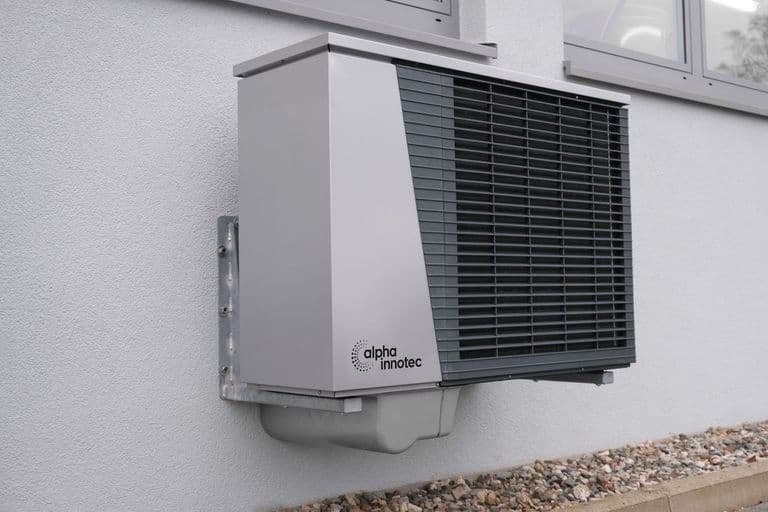
Heat Pump, Solar & H Tariff: How to Plan Together
Combining a heat pump, rooftop solar panels and a preferential electricity tariff can significantly cut household energy bills — but only if you plan all three as one integrated system. This guide walks through the decision logic, common mistakes and key considerations for homeowners.
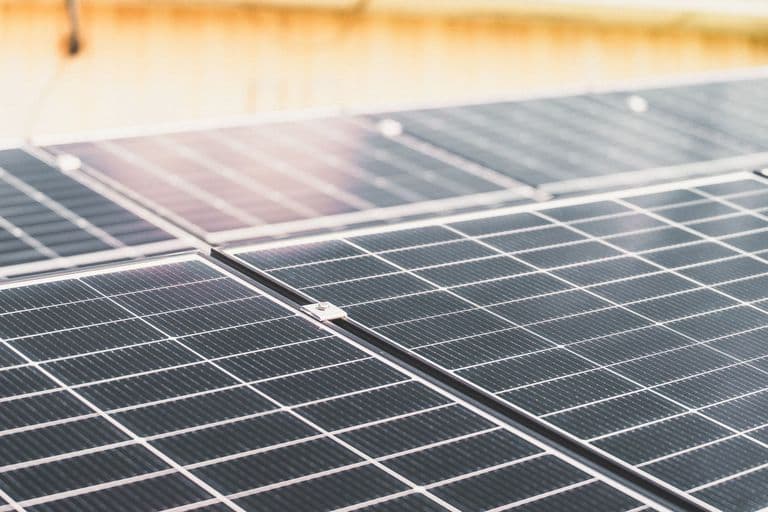
Solar + Heat Pump: When Do They Really Cut Your Bill?
Combining rooftop solar with an air-source heat pump seems like a perfect match, but real savings depend on how well their operating hours overlap. This guide explains the key decision factors for homeowners considering both systems.
Comments
0 commentsBe the first to comment.