
Bellingham, a mid-sized city in Washington State, USA, is considering raising rates at select public EV charging stations by as much as 60%. The proposed increase would primarily affect higher-traffic urban charging points where operational costs have been climbing steadily.
The move reflects a broader challenge confronting public charging operators across the US and Europe: maintaining and expanding infrastructure while keeping prices competitive with home charging and fuel costs. As EV adoption accelerates, the business model behind public charging is under increasing scrutiny — with many operators struggling to turn a profit at current rate levels.
For EV drivers, a 60% rate increase could meaningfully change the cost calculus of public charging versus home or workplace options. In some scenarios, the per-mile cost advantage of driving electric over a conventional combustion vehicle could narrow, particularly for drivers without access to cheaper overnight home charging.
Proponents of the increase argue that realistic pricing is essential to sustain a reliable charging network over the long term. The Bellingham debate is a microcosm of a global conversation: as electric mobility grows, the economics of public charging infrastructure will need to evolve alongside it — making transparent, fair pricing models more important than ever.
Source: Bellingham considers raising select electric vehicle charging rates by 60% - thefrontonline.com - Google News — EV· Based on source, with AI-assisted rewriting.
Related articles
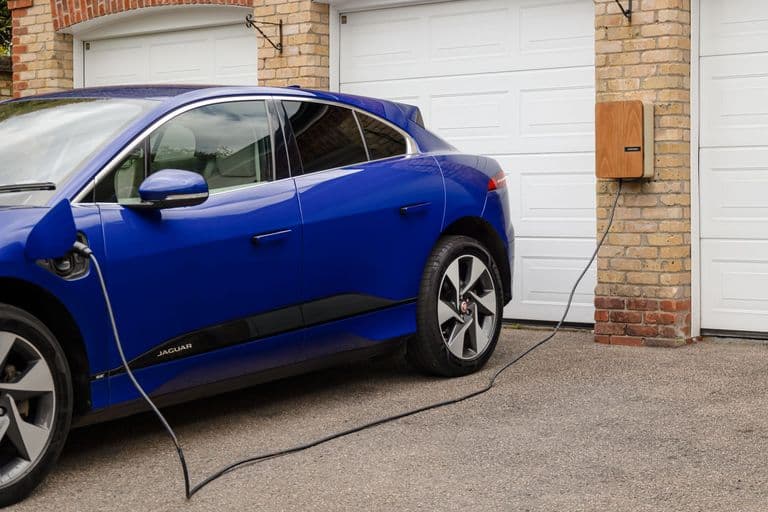
EV in Winter: Range Loss, Home Charging and Preheating
Cold weather can noticeably shrink an electric car's range, as sluggish battery chemistry and cabin heating both draw on the same pack. Preconditioning while plugged in, gentle overnight AC charging and smart timing in a solar-equipped home recover much of that loss. Here is what to expect and how to fit your EV into your home energy setup.

Battery storage booms, but Australia's grid edge lags behind
Australia's Cheaper Home Batteries Program has added 10.7 GWh of distributed storage to the grid, while EV sales surge to one in six new cars. Yet the country's biggest challenge is no longer on the supply side — it's the low-voltage distribution network that can't keep pace with simultaneous demand from EVs, home batteries and data centres.
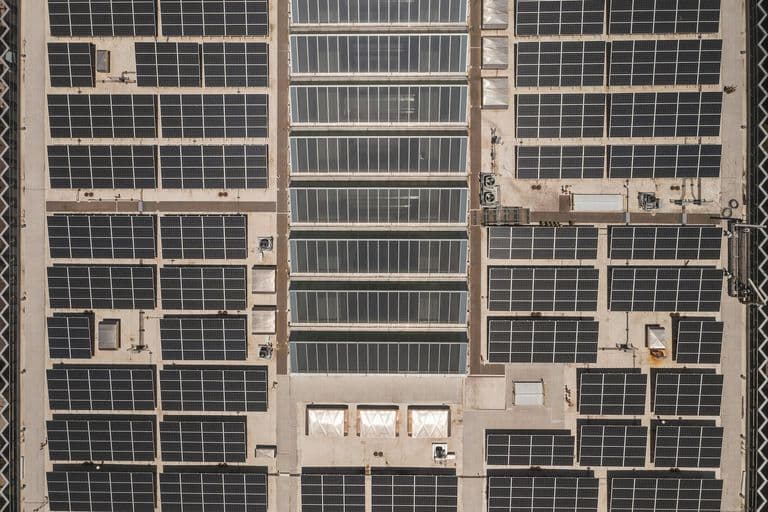
Dutch grid crisis: solar owners asked to cut output at peak times
The Netherlands is facing severe electricity grid congestion, with distributors Liander and Enexis calling on solar PV owners to temporarily reduce feed-in during peak hours. Around 7,300 customers are waiting for stronger grid connections, and new priority rules take effect in July 2026.
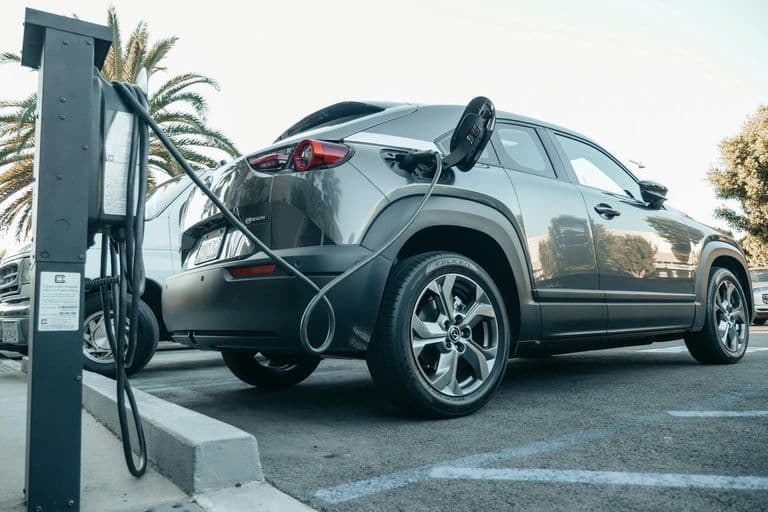
EV Charging Incentives for Apartment Buildings: Santa Barbara Shows the Way
Santa Barbara Clean Energy, a California-based Community Choice Aggregator, has launched new EV charging support and incentives specifically targeting multifamily residential properties. The program combines financial incentives with technical assistance to bring charging infrastructure to apartment buildings — a challenge many EV drivers in shared housing face globally.
Comments
0 commentsBe the first to comment.