
A new report from Transport & Environment (T&E) raises serious concerns about the trajectory of global biofuel demand. Driven by efforts to reduce dependence on fossil fuels amid high oil prices, biofuel consumption could surge by 30% in the near term and reach nearly 70% above current levels by 2030. The study argues that ambitious biofuel mandates are already contributing to rising food prices and may worsen fertiliser shortages worldwide.
The food vs. fuel dilemma, revisited
What this means for the energy transition
The report also feeds into the broader debate about which renewable pathways are truly sustainable. In the EU, the Renewable Energy Directive (RED III) sets binding blending targets for transport fuels, but critics — including T&E — argue that advanced biofuels from waste and residues should replace first-generation crop fuels, not merely supplement them. Several member states are now revisiting their national implementation plans under this pressure.
For EV drivers and solar adopters, this study offers a data-backed argument: the electrification route avoids many of the systemic trade-offs that biofuel scaling creates. As battery costs fall and grid tariffs evolve, the case for electrons over ethanol continues to strengthen.
Source: Global Biofuel Demand Set to Grow by Nearly 70% as Food Prices Rise - CleanTechnica· Based on source, with AI-assisted rewriting.
Related articles
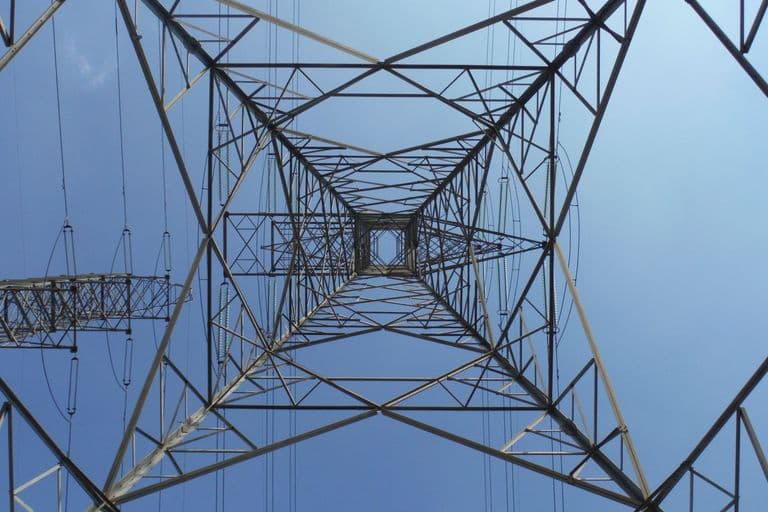
Why broadband communication is the backbone of grid modernization
The Utility Broadband Alliance (UBBA) has welcomed Eversource Energy and Hawaiian Electric as new members, underlining a growing consensus: without robust communication infrastructure, modern grids cannot reliably integrate solar, storage and other distributed energy resources.
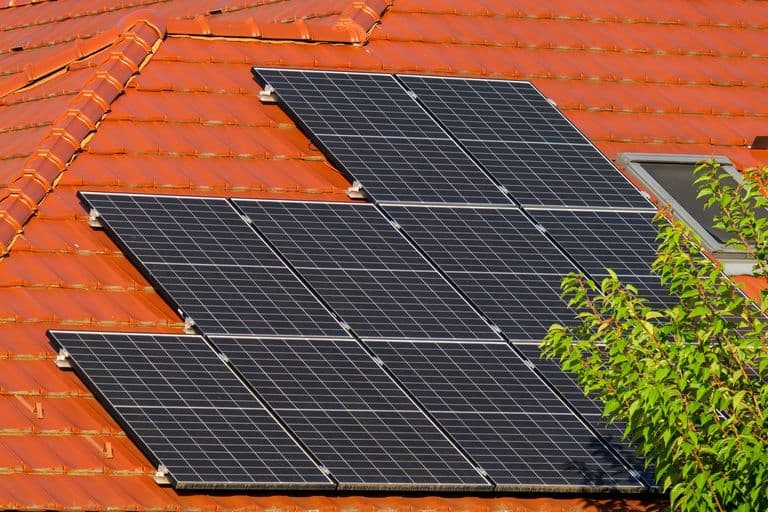
Jackery Solar Roof & SolarVault 3: integrated home energy storage debuts
Jackery unveiled its Solar Roof system and SolarVault 3 home battery storage during a media tour at its Shenzhen headquarters. The integrated solution targets self-consumption — a key metric for European homeowners looking to cut grid dependency.
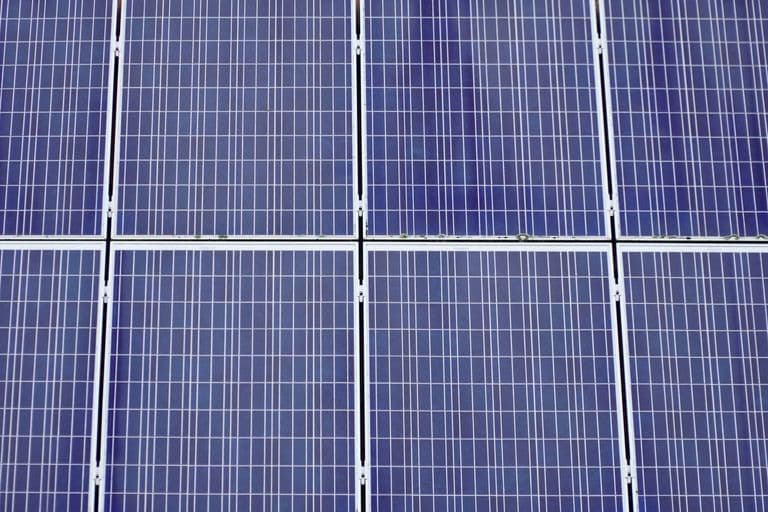
Solar PV in Winter: How to Harden Your System for Resilience
The U.S. Department of Energy has published guidance on hardening solar photovoltaic systems against winter weather. The findings are broadly relevant for homeowners and installers across Europe facing snow loads, freezing temperatures, and reduced winter irradiance.
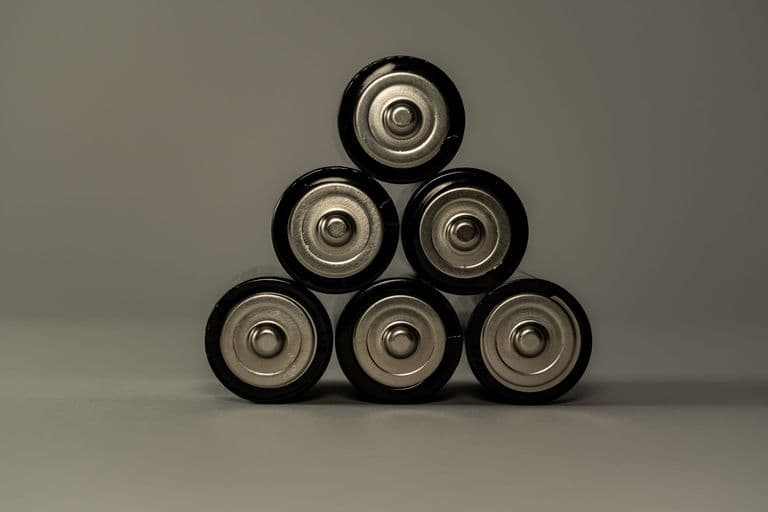
GM to Build Sodium-Ion Cells for Grid-Scale Battery Storage
General Motors and sodium-ion startup Peak Energy have announced a partnership to develop and manufacture sodium-ion battery cells for grid storage applications. GM will handle cell development and retain exclusive manufacturing rights at its Michigan labs, while Peak Energy integrates the cells into its proprietary BESS systems.
Comments
0 commentsBe the first to comment.