
Charging an electric vehicle is simpler than many first-time EV drivers expect, but understanding the basics makes the transition much smoother. There are three main charging levels: Level 1 (slow AC home charging via a standard outlet), Level 2 (faster AC charging via a dedicated wallbox at home or public stations), and Level 3 (DC fast charging at public stations). Each level offers a very different charging experience in terms of speed and convenience.
Home charging covers the daily needs of most EV drivers — overnight charging on a 7–11 kW wallbox is enough to top up even large battery packs. Installing a dedicated home charger is strongly recommended over using a standard socket, as it is safer and significantly faster. In many EU countries, government incentives and utility programs help offset the installation cost.
Public charging networks have expanded dramatically across Europe and North America. Major players include Tesla's Supercharger network, Ionity, Electrify America, BP Pulse, and many regional providers. Thanks to the OCPP standard and growing roaming agreements, drivers can increasingly use a single app or RFID card across multiple networks — reducing the so-called 'charging anxiety' that once deterred potential EV buyers.
DC fast chargers (50–350 kW) are the key to long-distance EV travel, capable of adding 200+ km of range in under 30 minutes on modern vehicles. The EU's Alternative Fuels Infrastructure Regulation (AFIR) mandates that 150 kW DC chargers be available every 60 km on major motorways by 2025, ensuring cross-border travel becomes increasingly seamless.
When choosing an EV, it is worth paying attention to the onboard charger capacity and the maximum DC charging speed, as these determine how quickly you can actually charge — regardless of how powerful the station is. Battery management systems (BMS) also play a role, typically limiting charging to 80% for speed and longevity reasons during fast sessions.
Source: EV Charging Stations: Everything You Need To Know - Kelley Blue Book - Google News — EV· Based on source, with AI-assisted rewriting.
Related articles
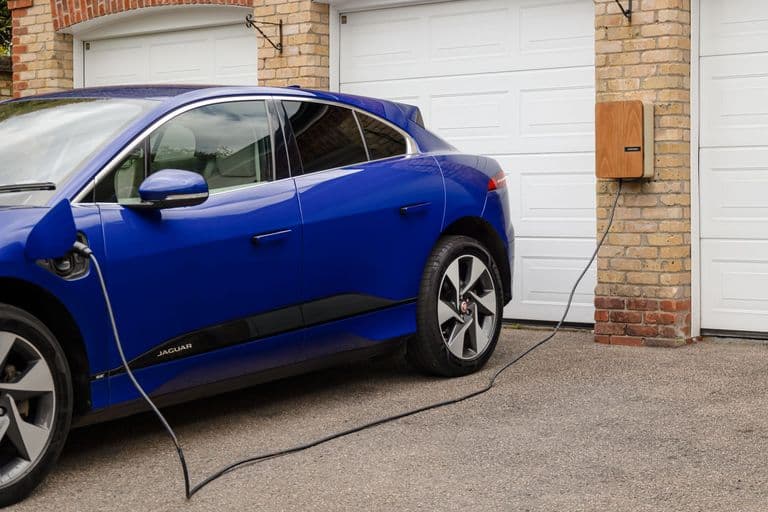
EV in Winter: Range Loss, Home Charging and Preheating
Cold weather can noticeably shrink an electric car's range, as sluggish battery chemistry and cabin heating both draw on the same pack. Preconditioning while plugged in, gentle overnight AC charging and smart timing in a solar-equipped home recover much of that loss. Here is what to expect and how to fit your EV into your home energy setup.

Battery storage booms, but Australia's grid edge lags behind
Australia's Cheaper Home Batteries Program has added 10.7 GWh of distributed storage to the grid, while EV sales surge to one in six new cars. Yet the country's biggest challenge is no longer on the supply side — it's the low-voltage distribution network that can't keep pace with simultaneous demand from EVs, home batteries and data centres.
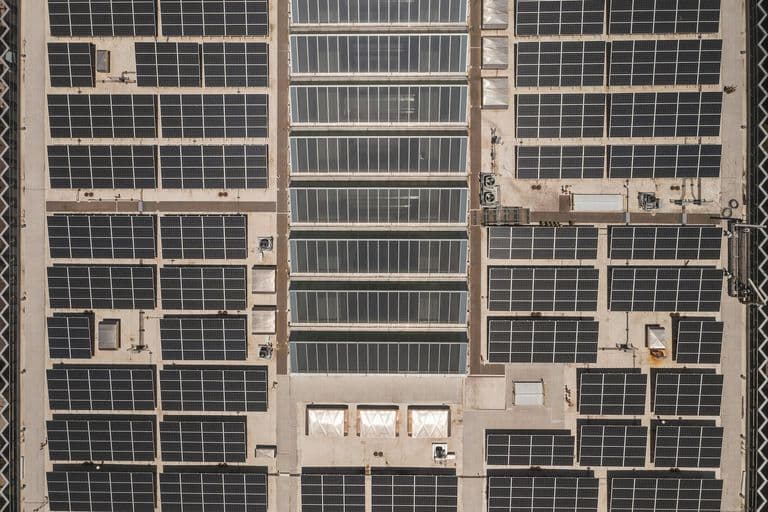
Dutch grid crisis: solar owners asked to cut output at peak times
The Netherlands is facing severe electricity grid congestion, with distributors Liander and Enexis calling on solar PV owners to temporarily reduce feed-in during peak hours. Around 7,300 customers are waiting for stronger grid connections, and new priority rules take effect in July 2026.
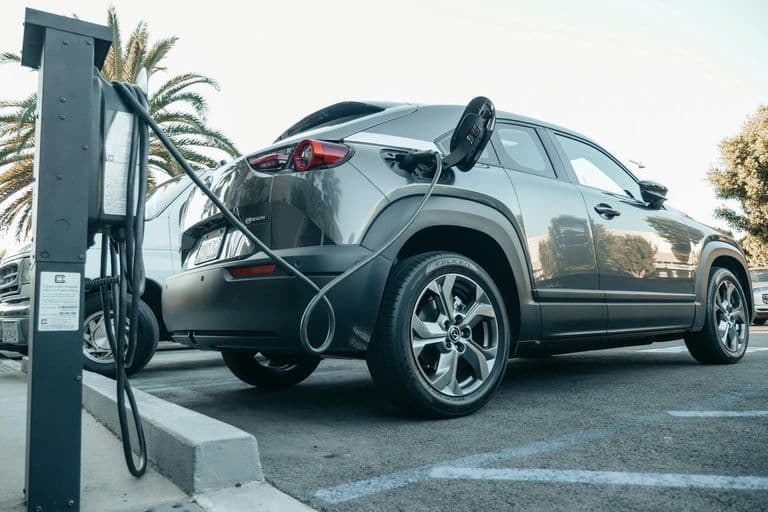
EV Charging Incentives for Apartment Buildings: Santa Barbara Shows the Way
Santa Barbara Clean Energy, a California-based Community Choice Aggregator, has launched new EV charging support and incentives specifically targeting multifamily residential properties. The program combines financial incentives with technical assistance to bring charging infrastructure to apartment buildings — a challenge many EV drivers in shared housing face globally.
Comments
0 commentsBe the first to comment.