
Mercedes-Benz Trucks has unveiled a concept vehicle called ReEconic, designed to explore the maximum possible use of secondary raw materials — that is, recycled content — in the production of its eEconic electric truck model. The initiative represents a significant step toward circular economy principles in heavy commercial vehicle manufacturing.
The concept vehicle is scheduled to enter real-world testing in the second half of 2026. Rather than a niche experiment, Mercedes positions this as a learning platform: the insights gained are intended to inform the broader integration of recycled materials across all truck models from the brand, regardless of whether they run on electricity, hydrogen, or conventional fuel.
The move aligns with tightening EU regulations around product lifecycle design and the growing pressure on manufacturers to increase the share of recycled inputs in new vehicles. For the electric mobility sector specifically, reducing dependency on virgin raw materials is also strategically important given supply chain vulnerabilities around battery minerals.
If successful, the ReEconic approach could set a benchmark not just for Mercedes-Benz but for the wider commercial vehicle industry, demonstrating that sustainability and large-scale production are not mutually exclusive.
Source: ReEconic concept pushes boundaries of circular economy in electric mobility - Electrive (EN)· Based on source, with AI-assisted rewriting.
Related articles
GM bets on sodium-ion storage and V2G at home
At its June 2026 Empower event in San Francisco, GM announced US-developed sodium-ion grid-scale battery storage and software-enabled V2G for existing EV owners — two moves that could reshape how homes and grids store renewable energy.
150 Power Plants: The Hidden Grid Cost of Weakening EU EV Targets
Scaling back the EU's electric vehicle targets could force Europe to build the equivalent of 150 new power plants just to keep the electricity grid balanced. EVs aren't just cars — as mobile battery storage, they are a critical and low-cost tool for integrating solar and wind energy into the grid.
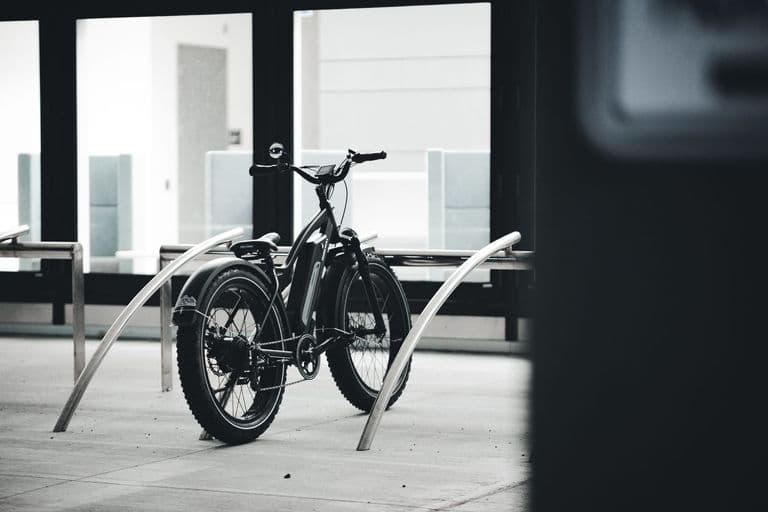
Electric Commuter Bikes: What to Look for in an E-Bike
Electric bikes are becoming a serious option for daily urban commuting across Europe. The right e-bike offers programmable assist levels, a reliable battery, and enough versatility to handle varied terrain.

Battery storage booms, but Australia's grid edge lags behind
Australia's Cheaper Home Batteries Program has added 10.7 GWh of distributed storage to the grid, while EV sales surge to one in six new cars. Yet the country's biggest challenge is no longer on the supply side — it's the low-voltage distribution network that can't keep pace with simultaneous demand from EVs, home batteries and data centres.
Comments
0 commentsBe the first to comment.