
In his first major interview since taking the helm at Smart Europe, CEO Wolfgang Ufer outlined a clear strategic vision: expand the electric portfolio while reconnecting with the brand's original DNA — compact, urban, and distinctly Smart. The company, which operates as a joint venture between Mercedes-Benz and Geely, sees Europe as a key growth market for its all-electric lineup.
The upcoming Smart #2 is described by Ufer as a turning point for the brand. Rather than simply adding another electric SUV to an already crowded segment, the #2 is positioned to resonate with European urban drivers who value practicality and a strong brand identity — something Smart built its reputation on with the original Fortwo city car.
The potential revival of a two-seater model signals that Smart is serious about differentiating itself in a market where rivals like Renault 5, Tesla, and Chinese EV brands are intensifying competition. A return to the brand's roots with a modern electric two-seater could carve out a unique niche, particularly in dense European cities where parking space and maneuverability remain daily concerns.
Ufer's scaling strategy for Europe involves both volume growth and brand sharpening — two goals that don't always go hand in hand. How Smart balances affordability with premium positioning, and local market nuances with a pan-European approach, will be closely watched by industry observers as the EV transition accelerates across the continent.
Source: smart returns to its roots — and scales up in Europe: Interview with CEO smart Europe Wolfgang Ufer - Electrive (EN)· Based on source, with AI-assisted rewriting.
Related articles
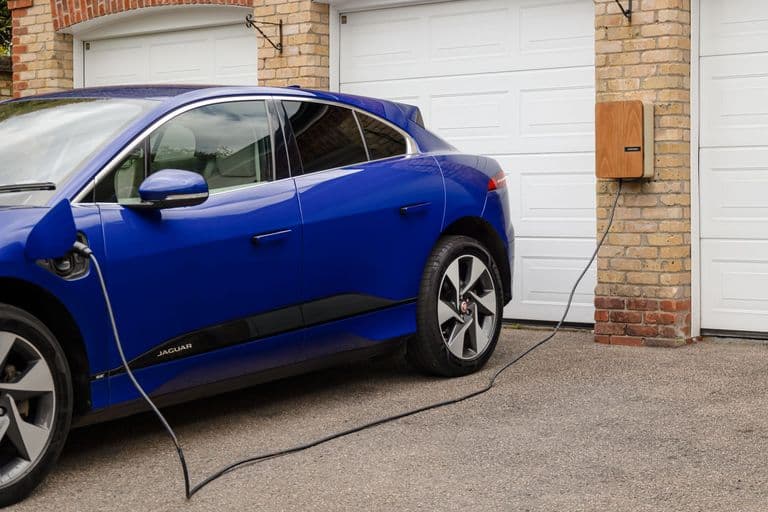
EV in Winter: Range Loss, Home Charging and Preheating
Cold weather can noticeably shrink an electric car's range, as sluggish battery chemistry and cabin heating both draw on the same pack. Preconditioning while plugged in, gentle overnight AC charging and smart timing in a solar-equipped home recover much of that loss. Here is what to expect and how to fit your EV into your home energy setup.
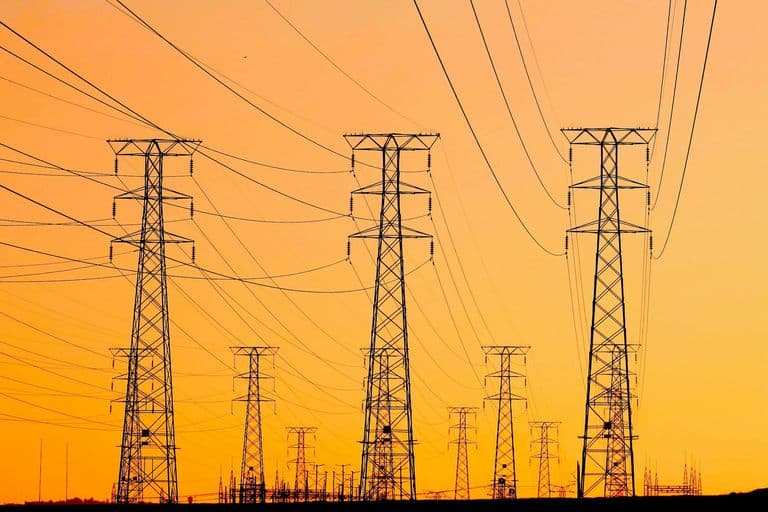
Dutch grid jams force homeowners to delay heat pumps and EV chargers
Thousands of Dutch homeowners are being told to put their heat pump installations and EV charging plans on hold as electricity grid congestion reaches critical levels. The Dutch case is a warning signal for the rest of Europe about the limits of aging grid infrastructure.
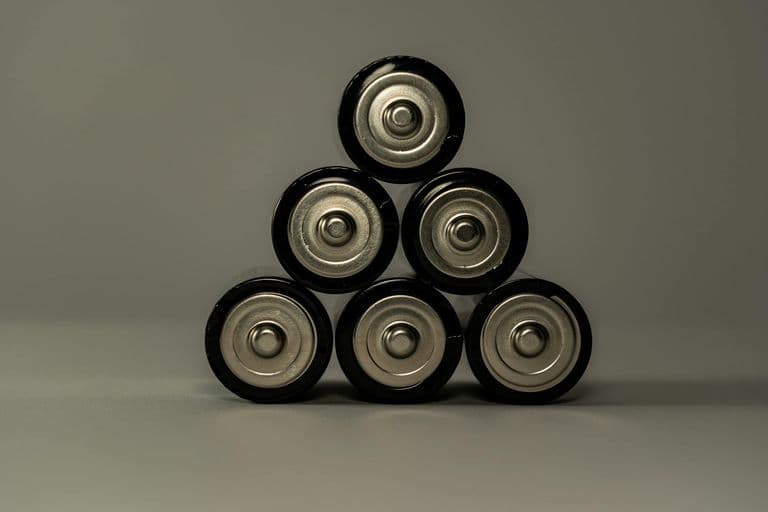
GM bets on sodium-ion storage and V2G at home
At its June 2026 Empower event in San Francisco, GM announced US-developed sodium-ion grid-scale battery storage and software-enabled V2G for existing EV owners — two moves that could reshape how homes and grids store renewable energy.
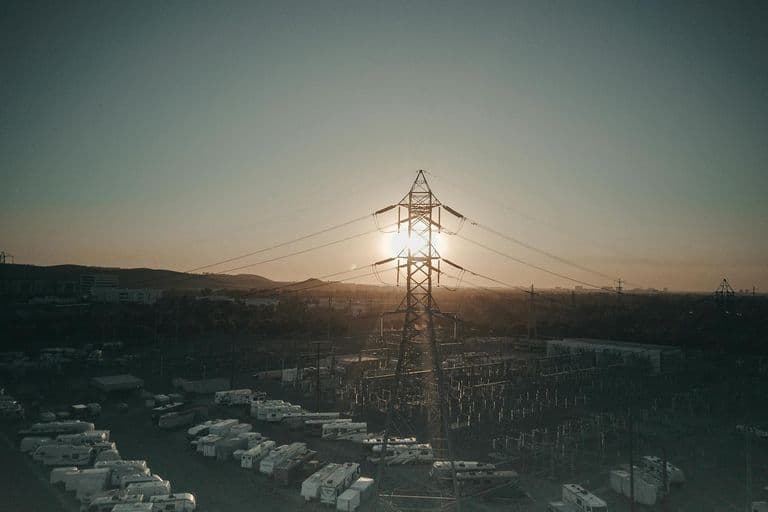
150 Power Plants: The Hidden Grid Cost of Weakening EU EV Targets
Scaling back the EU's electric vehicle targets could force Europe to build the equivalent of 150 new power plants just to keep the electricity grid balanced. EVs aren't just cars — as mobile battery storage, they are a critical and low-cost tool for integrating solar and wind energy into the grid.
Comments
0 commentsBe the first to comment.