
An adventurous YouTuber set out to drive a Tesla Model X from one end of the Americas to the other — a journey spanning thousands of miles through wildly varying terrain and climates. The trip hit a critical snag in Chile's Atacama Desert, widely regarded as the driest place on Earth, where the battery ran completely flat with no charging station in sight.
Rather than abandon the vehicle, the driver deployed portable solar panels on the roadside along the Pan-American Highway and began a slow trickle charge. The process was painstaking — a large electric SUV like the Model X requires significant energy — but the intense Atacama sun provided enough power to eventually get the car moving again.
The incident, captured on video and widely shared online, is a vivid reminder of the infrastructure challenges that still confront EV drivers venturing beyond well-connected urban corridors. While charging networks in Europe and North America have expanded rapidly, vast stretches of South America, Central Asia, and Africa remain effectively off-limits for EVs without serious contingency planning.
The episode also underscores a growing niche for portable solar as emergency backup for electric vehicles. Though output is modest compared to a fast charger, in a genuine roadside emergency a set of foldable panels can mean the difference between being stranded and getting to safety. For overlanders and long-distance EV adventurers, adding portable solar to the kit list may become standard practice.
Source: Tesla owner uses emergency solar to trickle charge after running out of battery in desert - Electrek· Based on source, with AI-assisted rewriting.
Related articles
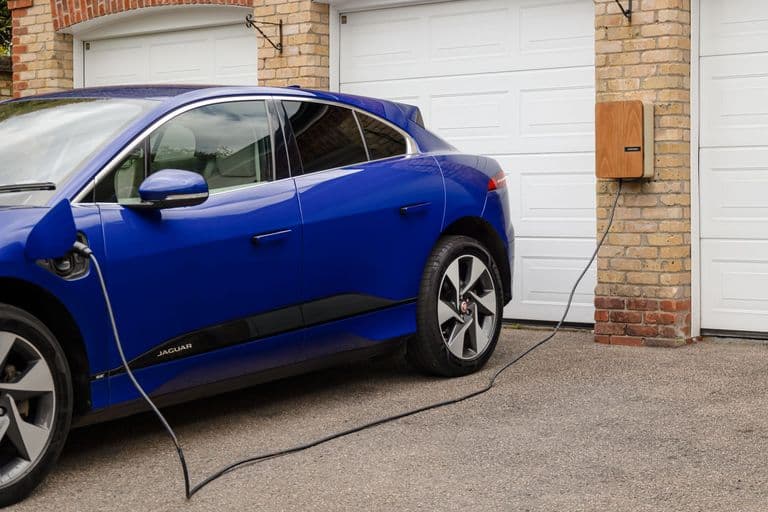
EV in Winter: Range Loss, Home Charging and Preheating
Cold weather can noticeably shrink an electric car's range, as sluggish battery chemistry and cabin heating both draw on the same pack. Preconditioning while plugged in, gentle overnight AC charging and smart timing in a solar-equipped home recover much of that loss. Here is what to expect and how to fit your EV into your home energy setup.
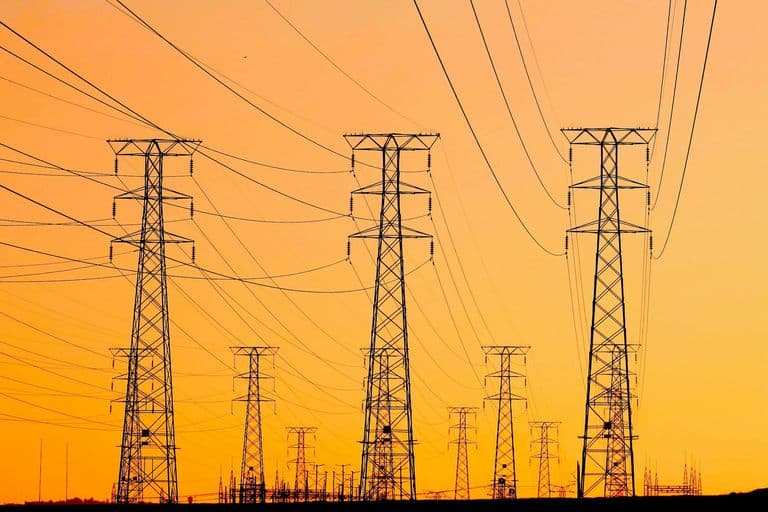
Dutch grid jams force homeowners to delay heat pumps and EV chargers
Thousands of Dutch homeowners are being told to put their heat pump installations and EV charging plans on hold as electricity grid congestion reaches critical levels. The Dutch case is a warning signal for the rest of Europe about the limits of aging grid infrastructure.
GM bets on sodium-ion storage and V2G at home
At its June 2026 Empower event in San Francisco, GM announced US-developed sodium-ion grid-scale battery storage and software-enabled V2G for existing EV owners — two moves that could reshape how homes and grids store renewable energy.
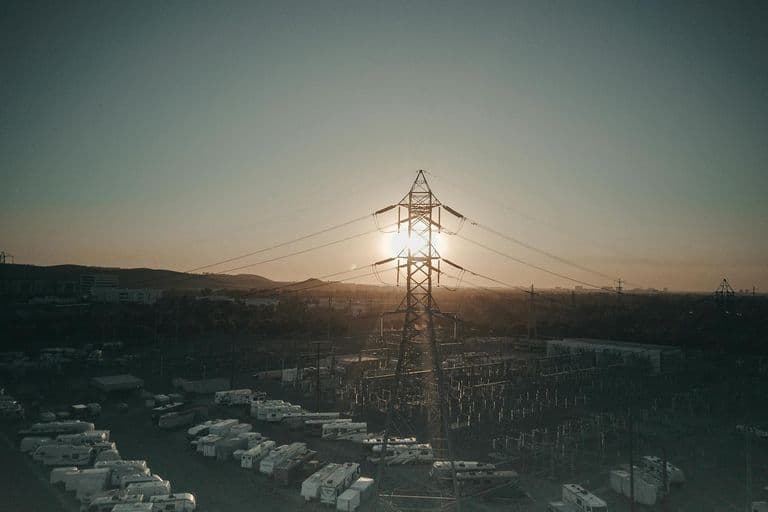
150 Power Plants: The Hidden Grid Cost of Weakening EU EV Targets
Scaling back the EU's electric vehicle targets could force Europe to build the equivalent of 150 new power plants just to keep the electricity grid balanced. EVs aren't just cars — as mobile battery storage, they are a critical and low-cost tool for integrating solar and wind energy into the grid.
Comments
0 commentsBe the first to comment.