
The U.S. Department of Energy (DOE) has released a formal strategy document outlining how the federal government intends to accelerate offshore wind energy deployment across American waters. The strategy covers investment frameworks, technological development, grid integration, and regulatory pathways intended to guide the sector over the coming decades.
Why offshore wind matters for the energy transition
Offshore wind is one of the fastest-growing segments of the global renewable energy market. Unlike rooftop solar, which produces energy primarily during daylight hours, offshore wind turbines can generate power more consistently — including at night — making them a valuable complement to solar PV and battery storage systems. The DOE strategy explicitly addresses the need for grid upgrades and energy storage solutions to handle the variable but large-scale output of offshore wind farms.
Lessons for Europe and beyond
While the strategy is U.S.-focused, its implications are global. European nations — including Germany, Spain, and the Netherlands — are already investing heavily in offshore wind, and the DOE's framework echoes similar EU-level ambitions for 2030 and beyond. For energy professionals and policymakers, the document underlines that offshore wind scale-up requires parallel investment in transmission infrastructure and storage capacity.
For households and businesses watching energy prices, the broader expansion of offshore wind in major economies tends to push down wholesale electricity costs over time — a trend that feeds into energy bills across interconnected markets, including Central and Eastern Europe.
Source: U.S. Department of Energy's Strategy to Advance Offshore Wind Energy in the United States - Department of Energy (.gov) - Google News — Wind Power· Based on source, with AI-assisted rewriting.
Related articles
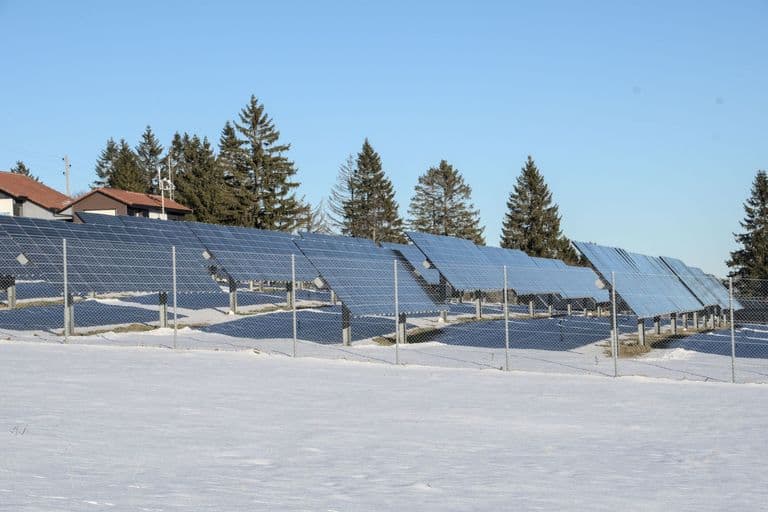
Solar PV in the Arctic: Svalbard's surprising potential
Researchers at Norway's SINTEF have found that solar PV in Longyearbyen, one of the world's northernmost inhabited settlements, can achieve capacity factors comparable to central European cities during summer. The study shows that PV, combined with wind and storage, could play a pivotal role in the Arctic energy transition.
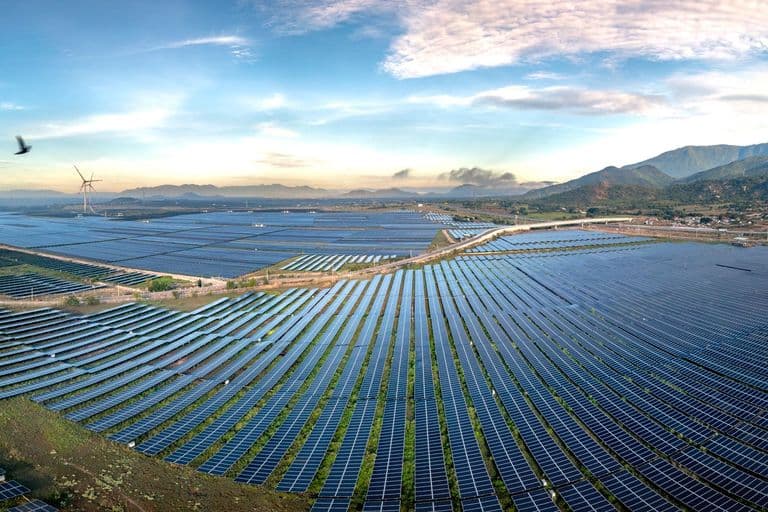
54 MW Solar Farm Shares Grid Connection with Wind Park in Germany
A new 54 MW ground-mounted solar farm in Gerbstedt, Germany, shares its grid connection point with an existing 26.4 MW wind park on the same site. The approved hybrid grid concept cuts infrastructure costs and sets a noteworthy precedent for co-located renewable projects.
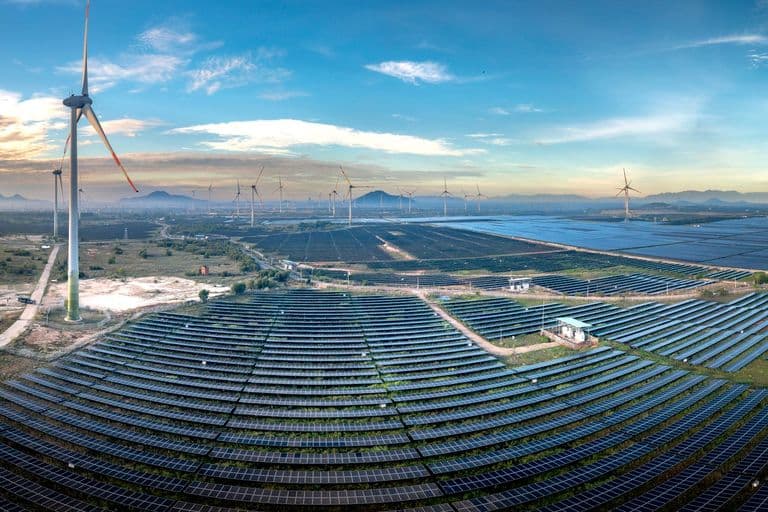
Coal Gets $700M US Subsidy — While Solar & Wind Keep Winning
The US federal government is channeling $700 million into ageing coal plants, even as solar and wind power consistently undercut fossil fuels on price. The move reveals the political friction slowing an energy transition that market forces are already driving forward.
Sunly & Rolls-Royce Sign Record Battery Storage Deal in Baltics
Sunly and Rolls-Royce have signed the largest battery storage agreement in Baltic history, marking a major milestone for grid-scale energy storage in the region. The deal highlights growing corporate interest in large-scale storage as the Baltics prepare to synchronize with the EU electricity grid.
Comments
0 commentsBe the first to comment.