
New research suggests that AI-governed electric vehicle charging strategies could extend battery life by nearly 23% compared to conventional charging methods. By dynamically adjusting the charging curve based on real-time data — including temperature, charge rate, and battery state — intelligent systems can avoid the key stressors that degrade lithium-ion cells over time.
The AI system monitors factors such as overcharging, deep discharge, and high-current spikes, all of which are known to accelerate battery wear. Reducing these stress events through adaptive charging could mean that today's EV batteries last significantly longer before needing replacement — a development with major implications for total cost of ownership.
Battery replacement remains one of the biggest financial concerns for EV drivers globally. In Europe, a replacement battery pack can cost anywhere from €5,000 to €15,000 depending on the model, making longevity improvements highly valuable. AI-based charging also has the potential to distribute grid load more evenly, benefiting both network operators and end users.
This innovation aligns with the EU's broader push toward sustainable electric mobility, including its 2035 target to phase out new internal combustion engine vehicles. Longer-lasting batteries reduce lifecycle emissions and costs, making EVs an even more compelling choice — especially when charged with renewable energy.
Source: AI-Governed EV Charging Could Extend Battery Life Nearly 23% - The Drive - Google News — EV· Based on source, with AI-assisted rewriting.
Related articles
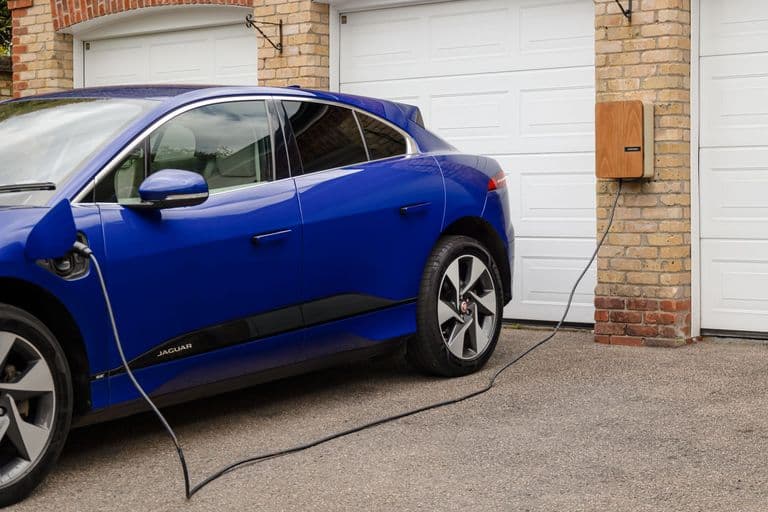
EV in Winter: Range Loss, Home Charging and Preheating
Cold weather can noticeably shrink an electric car's range, as sluggish battery chemistry and cabin heating both draw on the same pack. Preconditioning while plugged in, gentle overnight AC charging and smart timing in a solar-equipped home recover much of that loss. Here is what to expect and how to fit your EV into your home energy setup.
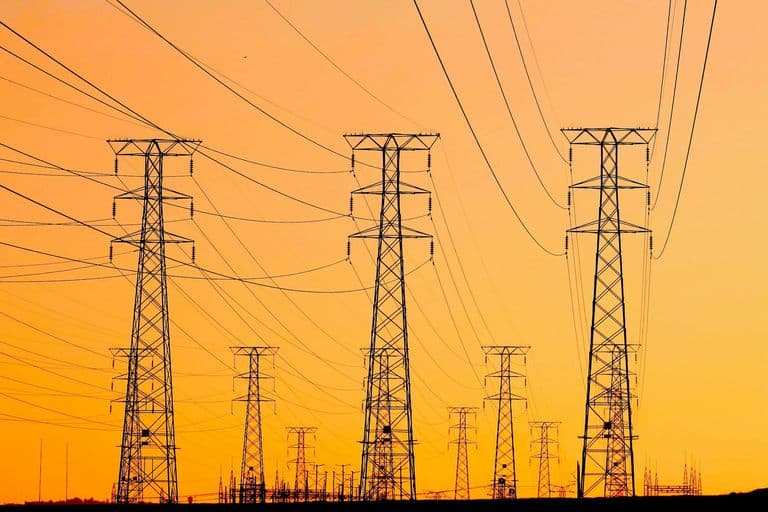
Dutch grid jams force homeowners to delay heat pumps and EV chargers
Thousands of Dutch homeowners are being told to put their heat pump installations and EV charging plans on hold as electricity grid congestion reaches critical levels. The Dutch case is a warning signal for the rest of Europe about the limits of aging grid infrastructure.
GM bets on sodium-ion storage and V2G at home
At its June 2026 Empower event in San Francisco, GM announced US-developed sodium-ion grid-scale battery storage and software-enabled V2G for existing EV owners — two moves that could reshape how homes and grids store renewable energy.

150 Power Plants: The Hidden Grid Cost of Weakening EU EV Targets
Scaling back the EU's electric vehicle targets could force Europe to build the equivalent of 150 new power plants just to keep the electricity grid balanced. EVs aren't just cars — as mobile battery storage, they are a critical and low-cost tool for integrating solar and wind energy into the grid.
Comments
0 commentsBe the first to comment.