
General Motors used its 'Empower' event in San Francisco on June 9, 2026 to make three major announcements. For the energy sector, the most significant is GM's commitment to developing sodium-ion grid-scale battery storage, manufactured in the United States. Sodium-ion chemistry uses abundant, lower-cost materials and avoids cobalt and nickel — making it an attractive candidate for large-scale stationary storage where energy density matters less than cost and supply chain resilience.
Why sodium-ion matters for grid storage
Demand for grid-scale storage is accelerating worldwide as solar and wind penetration increases. Sodium-ion cells are not yet at full commercial scale, but several manufacturers — including CATL in China — have already begun production. GM's entry signals that the technology is attracting serious investment in the US market as well. For solar farm operators and utilities, a domestically produced, cobalt-free alternative to lithium iron phosphate (LFP) could be a significant cost and supply chain advantage.
V2G: your EV as a home battery
GM also announced the activation of vehicle-to-grid (V2G) capability for existing customers via a software update — no new hardware required. This is directly relevant for solar households: an EV parked at home can act as a large battery, storing excess solar generation and discharging to the home or grid when needed. V2G regulations vary across EU member states and are still being developed in many markets, but the technical foundation is now being put in place by a major automaker.
Taken together, these two announcements position GM as more than a car company — it is entering the energy storage business in a meaningful way. Whether sodium-ion grid batteries will compete with established LFP systems on price and cycle life remains to be seen, but the direction of travel is clear: EVs, home solar, and grid storage are converging.
Source: GM Empower Event — GM Announces Sodium-Ion Grid-Scale Battery Storage Developed In The US - CleanTechnica· Based on source, with AI-assisted rewriting.
Related articles

How Much Do Solar Panels Produce in Winter? Realistic Numbers
Winter output from a rooftop solar system is a fraction of the summer peak: shorter days, a low sun, cloud and snow mean that the four darkest months together typically deliver only around a tenth to a fifth of the annual yield, depending on latitude. This guide sets realistic month-by-month expectations, explains what winter means for self-consumption and your bill, shows how a battery and smart scheduling help, and why you should never size a system for December.
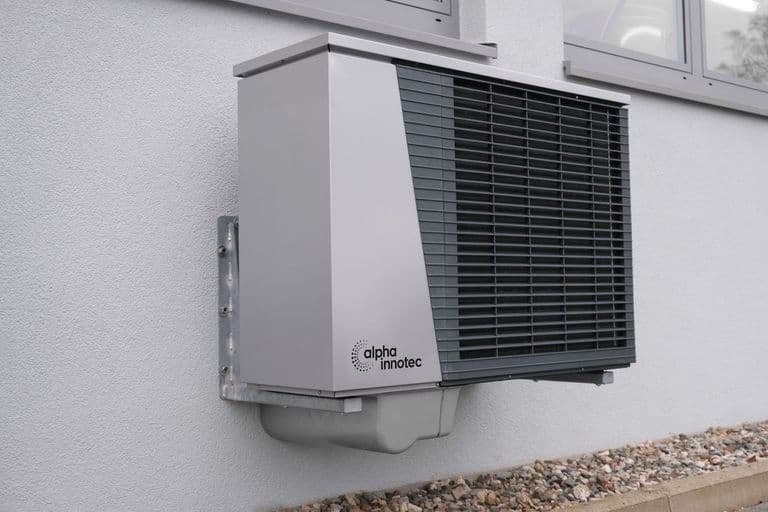
Heat Pump, Solar & H Tariff: How to Plan Together
Combining a heat pump, rooftop solar panels and a preferential electricity tariff can significantly cut household energy bills — but only if you plan all three as one integrated system. This guide walks through the decision logic, common mistakes and key considerations for homeowners.
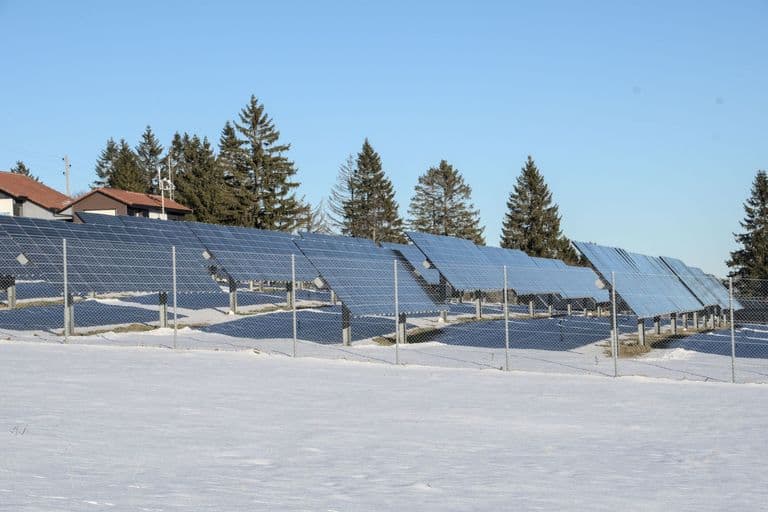
Solar PV in the Arctic: Svalbard's surprising potential
Researchers at Norway's SINTEF have found that solar PV in Longyearbyen, one of the world's northernmost inhabited settlements, can achieve capacity factors comparable to central European cities during summer. The study shows that PV, combined with wind and storage, could play a pivotal role in the Arctic energy transition.
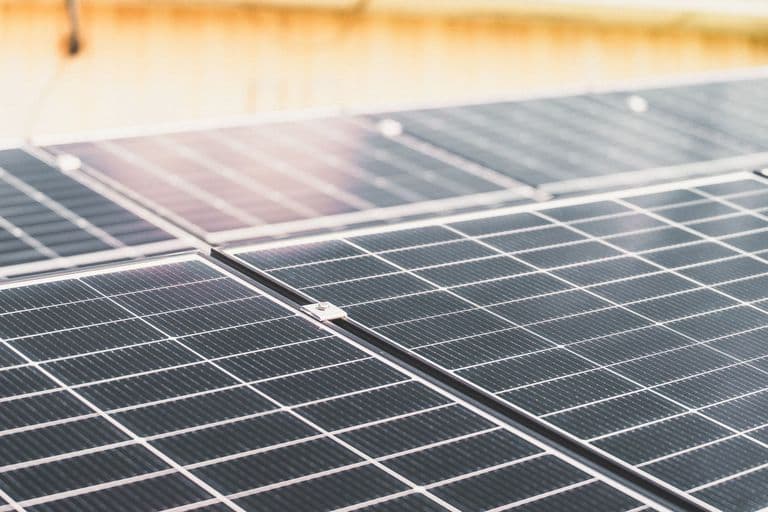
Solar + Heat Pump: When Do They Really Cut Your Bill?
Combining rooftop solar with an air-source heat pump seems like a perfect match, but real savings depend on how well their operating hours overlap. This guide explains the key decision factors for homeowners considering both systems.
Comments
0 commentsBe the first to comment.