
Aspen, Colorado — known for its ski resorts and strong environmental commitments — is set to install 7 more electric vehicle (EV) charging stations, further strengthening its public charging network. The city has long been a leader in sustainability efforts, and expanding EV infrastructure is a natural next step in its decarbonization strategy.
The addition of new chargers is particularly relevant given Aspen's high tourist traffic. Visitors arriving in electric vehicles need reliable charging options, and a growing share of travelers now drive EVs. By investing in public charging, Aspen is also positioning itself as a forward-looking destination for eco-conscious tourists.
This development mirrors a global trend: cities and municipalities across the EU and the US are racing to deploy public chargers ahead of rising EV adoption rates. According to industry forecasts, the number of public charging points in Europe alone needs to grow several-fold by 2030 to meet projected EV demand.
The 7 new stations are expected to include a mix of AC and DC fast-charging options, catering to a wide range of electric vehicles. While the article does not specify the exact locations or timeline, the project underscores Aspen's commitment to making EV charging accessible throughout the city.
For international readers, Aspen's approach highlights a universal lesson: even smaller cities with the right motivation — be it tourism, climate policy, or community demand — can meaningfully advance their EV charging networks. The trend is equally relevant across Europe, where local governments are increasingly funding similar charging roll-outs.
Source: Aspen to install 7 more EV charging stations - AspenTimes.com - Google News — EV· Based on source, with AI-assisted rewriting.
Related articles
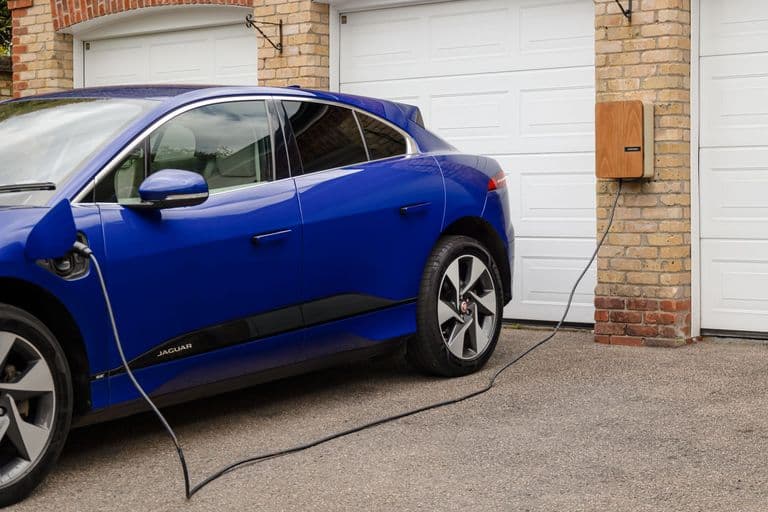
EV in Winter: Range Loss, Home Charging and Preheating
Cold weather can noticeably shrink an electric car's range, as sluggish battery chemistry and cabin heating both draw on the same pack. Preconditioning while plugged in, gentle overnight AC charging and smart timing in a solar-equipped home recover much of that loss. Here is what to expect and how to fit your EV into your home energy setup.

Battery storage booms, but Australia's grid edge lags behind
Australia's Cheaper Home Batteries Program has added 10.7 GWh of distributed storage to the grid, while EV sales surge to one in six new cars. Yet the country's biggest challenge is no longer on the supply side — it's the low-voltage distribution network that can't keep pace with simultaneous demand from EVs, home batteries and data centres.
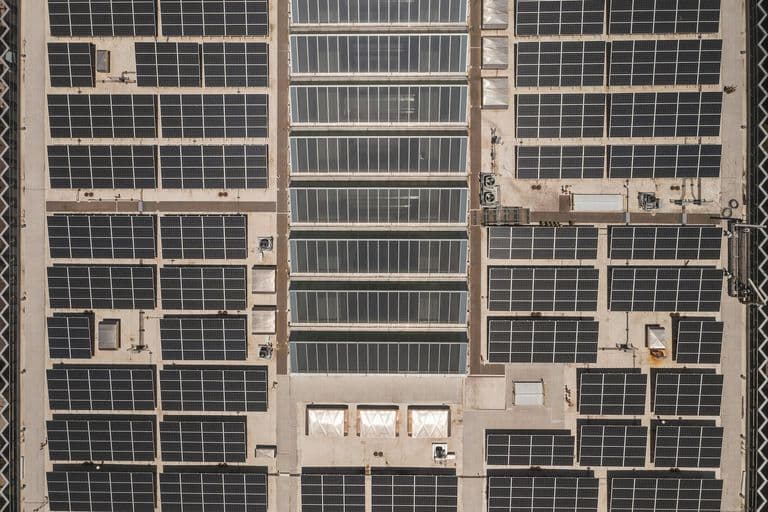
Dutch grid crisis: solar owners asked to cut output at peak times
The Netherlands is facing severe electricity grid congestion, with distributors Liander and Enexis calling on solar PV owners to temporarily reduce feed-in during peak hours. Around 7,300 customers are waiting for stronger grid connections, and new priority rules take effect in July 2026.
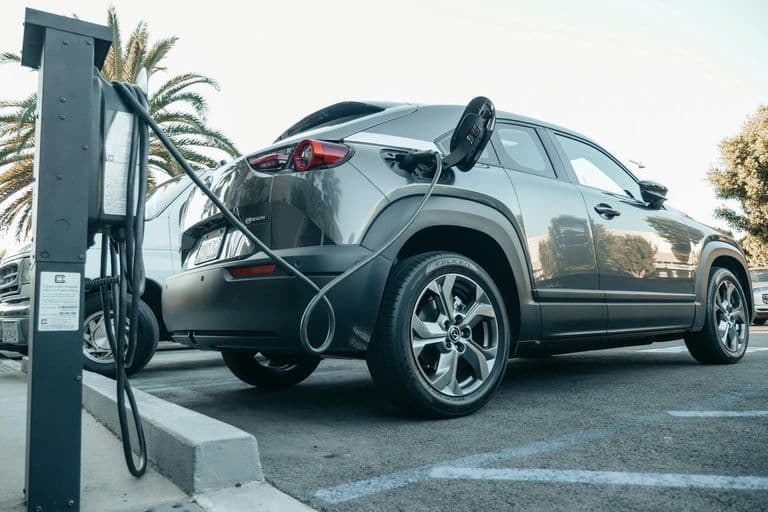
EV Charging Incentives for Apartment Buildings: Santa Barbara Shows the Way
Santa Barbara Clean Energy, a California-based Community Choice Aggregator, has launched new EV charging support and incentives specifically targeting multifamily residential properties. The program combines financial incentives with technical assistance to bring charging infrastructure to apartment buildings — a challenge many EV drivers in shared housing face globally.
Comments
0 commentsBe the first to comment.