
In most Australian states, newly licensed drivers must display a 'P-plate' (probationary plate) and are subject to restrictions on the vehicles they can drive. In Victoria, one key rule limits the power-to-weight ratio of cars that P-platers are allowed to operate — a rule designed for the era of internal combustion engines.
The numbers behind the ban
For families planning to buy an EV that both parents and teenage children can share, this creates a genuine headache. Popular models like the Model Y are effectively ruled out unless the family is willing to wait until their teenager moves off P-plates — a process that can take two or more years.
A wider lesson for EV regulation
Industry groups and consumer advocates in Australia are calling on the Victorian government to review the rules. Until then, families face the ironic situation of being steered away from mainstream EVs and toward heavier, less efficient alternatives — simply because the rulebook has not kept pace with the technology.
Source: Families looking at EVs hit strange P-plate roadblock: Model Y banned, Ram 1500 allowed - The Driven· Based on source, with AI-assisted rewriting.
Related articles
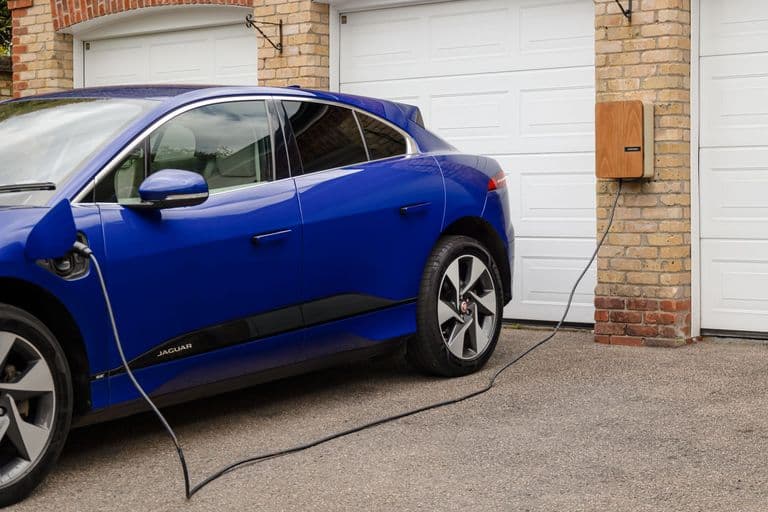
EV in Winter: Range Loss, Home Charging and Preheating
Cold weather can noticeably shrink an electric car's range, as sluggish battery chemistry and cabin heating both draw on the same pack. Preconditioning while plugged in, gentle overnight AC charging and smart timing in a solar-equipped home recover much of that loss. Here is what to expect and how to fit your EV into your home energy setup.
Dutch grid jams force homeowners to delay heat pumps and EV chargers
Thousands of Dutch homeowners are being told to put their heat pump installations and EV charging plans on hold as electricity grid congestion reaches critical levels. The Dutch case is a warning signal for the rest of Europe about the limits of aging grid infrastructure.
GM bets on sodium-ion storage and V2G at home
At its June 2026 Empower event in San Francisco, GM announced US-developed sodium-ion grid-scale battery storage and software-enabled V2G for existing EV owners — two moves that could reshape how homes and grids store renewable energy.
150 Power Plants: The Hidden Grid Cost of Weakening EU EV Targets
Scaling back the EU's electric vehicle targets could force Europe to build the equivalent of 150 new power plants just to keep the electricity grid balanced. EVs aren't just cars — as mobile battery storage, they are a critical and low-cost tool for integrating solar and wind energy into the grid.
Comments
0 commentsBe the first to comment.