
In a landmark moment for Australia's electric vehicle sector, BYD has dispatched one of its own dedicated car-carrier ships to the country, bringing almost 5,000 new energy vehicles (NEVs) in a single delivery. This is the first time the Chinese automaker has used its own vessel to serve the Australian market, signalling the country's growing strategic importance to the world's leading EV manufacturer.
Australia has seen rapid growth in EV adoption over recent years, with BYD emerging as one of the most popular brands alongside Tesla. By deploying its own shipping capacity, BYD can respond more flexibly to demand spikes and reduce its dependence on third-party logistics providers — a competitive advantage that could accelerate delivery times and lower costs.
The move is part of BYD's broader global expansion strategy. The company has been investing heavily in its own fleet of car-carrier ships, known as the 'BYD Explorer' series, to support deliveries across Europe, Southeast Asia, and now the Pacific. Controlling the supply chain end-to-end gives BYD a significant edge over rivals who rely solely on external shipping companies.
For international observers, the Australian milestone is a clear indicator of how aggressively Chinese EV manufacturers are building out global infrastructure. As EV demand continues to rise across multiple continents, BYD's vertically integrated approach — from battery production to vehicle delivery — positions it as a formidable long-term competitor in every major market it enters.
Source: BYD sends its own ship with almost 5,000 NEVs to meet surging demand in Australia market - The Driven· Based on source, with AI-assisted rewriting.
Related articles
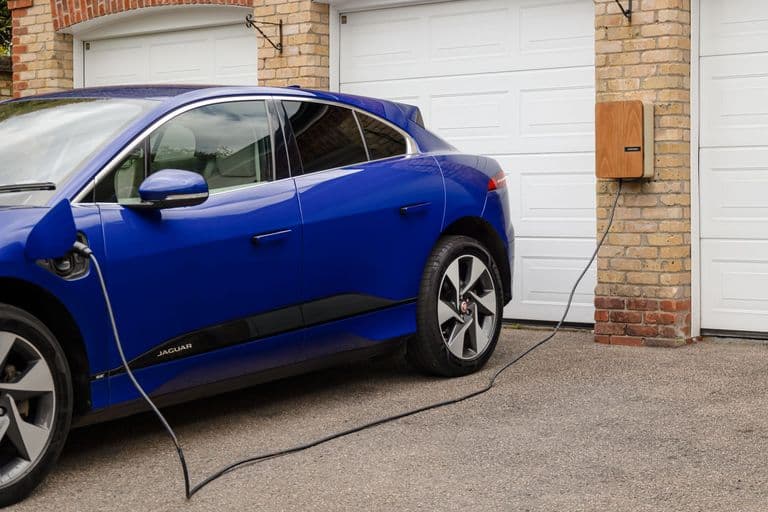
EV in Winter: Range Loss, Home Charging and Preheating
Cold weather can noticeably shrink an electric car's range, as sluggish battery chemistry and cabin heating both draw on the same pack. Preconditioning while plugged in, gentle overnight AC charging and smart timing in a solar-equipped home recover much of that loss. Here is what to expect and how to fit your EV into your home energy setup.
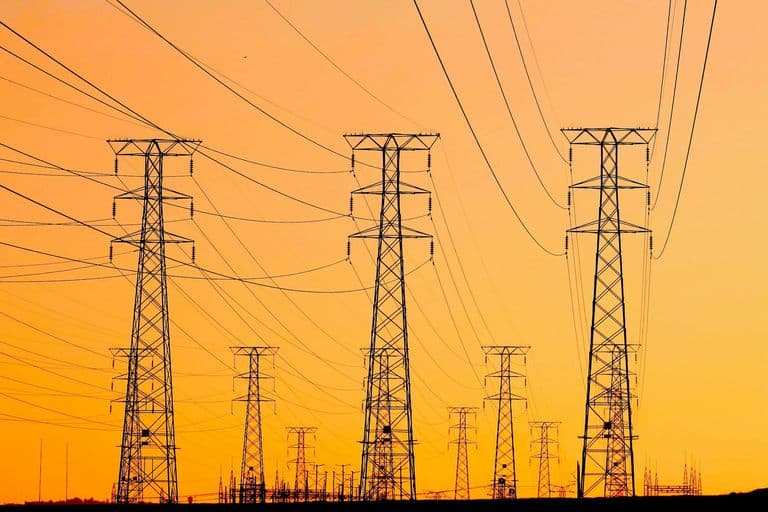
Dutch grid jams force homeowners to delay heat pumps and EV chargers
Thousands of Dutch homeowners are being told to put their heat pump installations and EV charging plans on hold as electricity grid congestion reaches critical levels. The Dutch case is a warning signal for the rest of Europe about the limits of aging grid infrastructure.
GM bets on sodium-ion storage and V2G at home
At its June 2026 Empower event in San Francisco, GM announced US-developed sodium-ion grid-scale battery storage and software-enabled V2G for existing EV owners — two moves that could reshape how homes and grids store renewable energy.
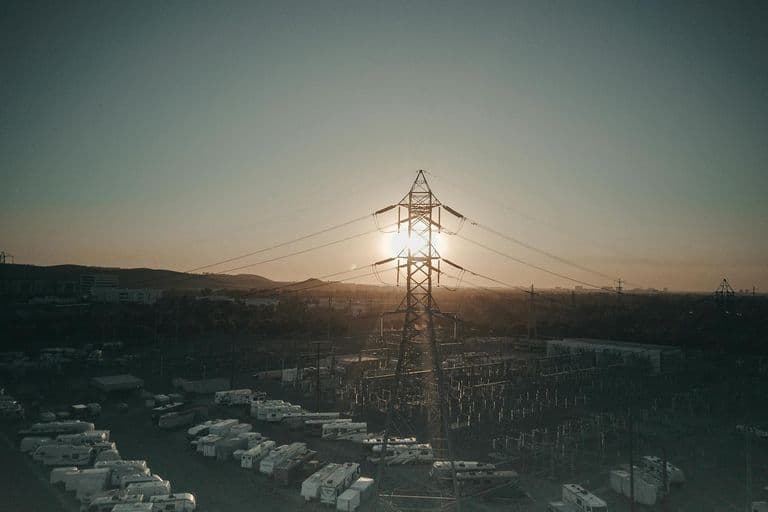
150 Power Plants: The Hidden Grid Cost of Weakening EU EV Targets
Scaling back the EU's electric vehicle targets could force Europe to build the equivalent of 150 new power plants just to keep the electricity grid balanced. EVs aren't just cars — as mobile battery storage, they are a critical and low-cost tool for integrating solar and wind energy into the grid.
Comments
0 commentsBe the first to comment.