
Artificial intelligence infrastructure is one of the fastest-growing sources of electricity demand globally. Data centers powering large language models and cloud computing are placing unprecedented strain on transmission and distribution networks, prompting regulators across the United States to search for solutions.
The core question is one of fairness: should hyperscale data center operators – who consume disproportionate shares of available grid capacity – be required to pay for the network reinforcements their growth necessitates? Currently, those costs are largely socialized across all ratepayers, effectively subsidizing Big Tech's expansion.
Several US states are already exploring mechanisms such as cost-allocation reforms, higher interconnection fees for large industrial loads, and mandates for on-site renewable generation paired with battery storage. Federal regulators at FERC are also under pressure to revisit how grid upgrade costs are assigned.
The outcome of this debate matters far beyond the US. In the EU, similar tensions are emerging as data center demand competes with renewable energy integration for scarce grid capacity. How regulators respond will shape the pace and fairness of the broader energy transition.
Source: Data centers are straining the grid. Can they be forced to pay for it? - Renewable Energy World· Based on source, with AI-assisted rewriting.
Related articles
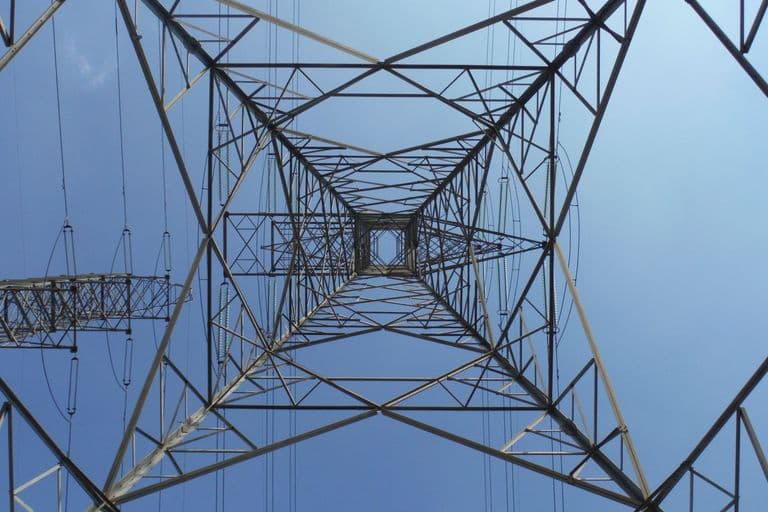
Why broadband communication is the backbone of grid modernization
The Utility Broadband Alliance (UBBA) has welcomed Eversource Energy and Hawaiian Electric as new members, underlining a growing consensus: without robust communication infrastructure, modern grids cannot reliably integrate solar, storage and other distributed energy resources.
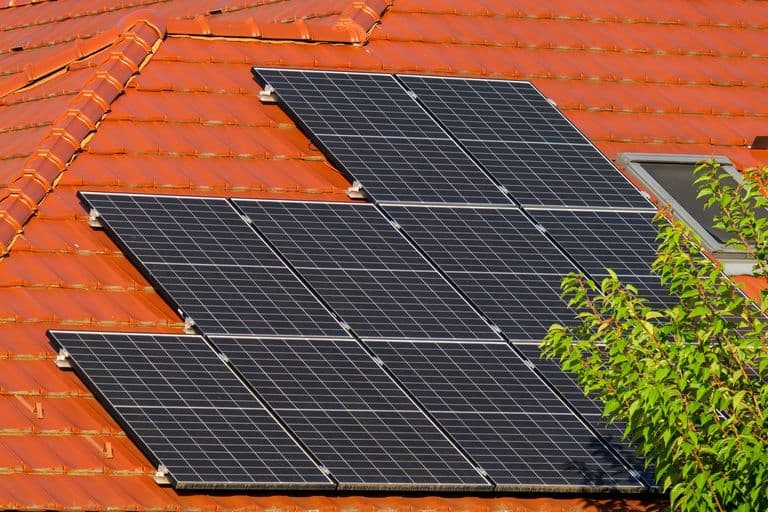
Jackery Solar Roof & SolarVault 3: integrated home energy storage debuts
Jackery unveiled its Solar Roof system and SolarVault 3 home battery storage during a media tour at its Shenzhen headquarters. The integrated solution targets self-consumption — a key metric for European homeowners looking to cut grid dependency.
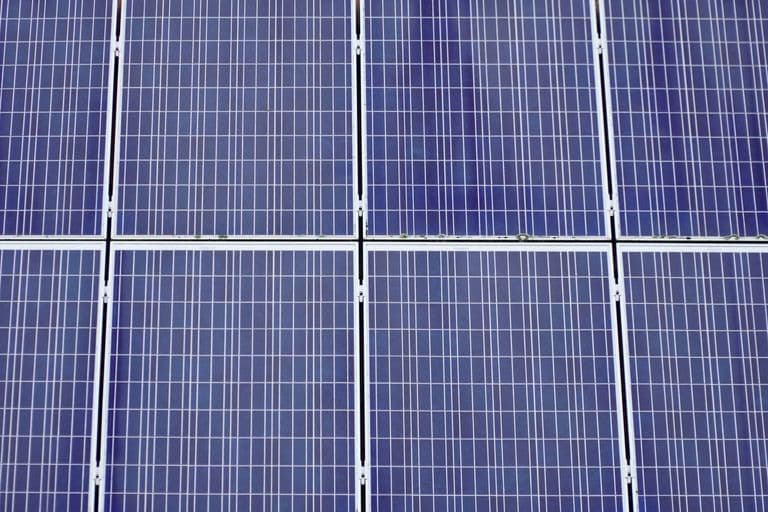
Solar PV in Winter: How to Harden Your System for Resilience
The U.S. Department of Energy has published guidance on hardening solar photovoltaic systems against winter weather. The findings are broadly relevant for homeowners and installers across Europe facing snow loads, freezing temperatures, and reduced winter irradiance.
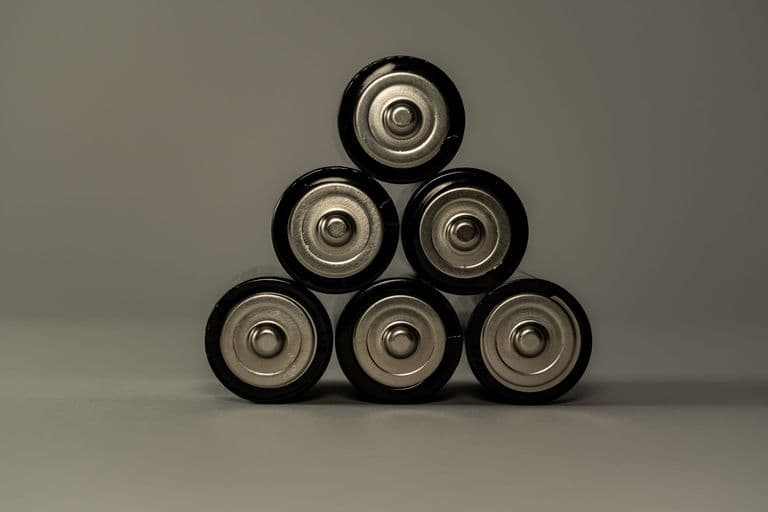
GM to Build Sodium-Ion Cells for Grid-Scale Battery Storage
General Motors and sodium-ion startup Peak Energy have announced a partnership to develop and manufacture sodium-ion battery cells for grid storage applications. GM will handle cell development and retain exclusive manufacturing rights at its Michigan labs, while Peak Energy integrates the cells into its proprietary BESS systems.
Comments
0 commentsBe the first to comment.