
Ducted heat pumps – systems that distribute conditioned air through a network of ducts – are gaining significant market traction globally. Unlike split or monobloc units, ducted systems are particularly suited to larger homes, commercial buildings, and new-build projects, making them a key segment in the broader heat pump industry.
The IndexBox market report highlights robust demand growth driven by multiple converging forces: soaring fossil fuel prices, EU and national energy efficiency mandates, and growing consumer awareness of sustainable heating and cooling. Countries across Europe, North America, and Asia-Pacific are all reporting accelerating installations.
In the European context, the EU's revised Energy Performance of Buildings Directive (EPBD) and national subsidy schemes are playing a pivotal role. Member states are phasing out gas boiler incentives and redirecting funding toward heat pump technologies, which is directly boosting the ducted segment alongside wall-mounted alternatives.
Market analysts project continued expansion through the decade, with particularly strong momentum in regions experiencing hotter summers and colder winters – a climate profile that makes heat pumps an efficient year-round solution. When paired with rooftop solar, ducted heat pump systems can dramatically cut both carbon emissions and household energy bills.
Source: World Ducted Heat Pump - Market Analysis, Forecast, Size, Trends and Insights - IndexBox - Google News — Heat Pump· Based on source, with AI-assisted rewriting.
Related articles

Pre-Season Heat Pump Checklist: What to Check in September
A heat pump does most of its work in the coldest months, but how much electricity it burns doing so is largely decided in September. Here is what homeowners can check themselves, from the outdoor unit to the heating curve, what to leave to a qualified engineer, and how to get the most out of rooftop solar in the autumn months.

Air conditioning on solar power: what summer cooling really costs in 2026
In a heatwave, air conditioning becomes one of the biggest loads in a household — exactly when solar panels produce the most. We look at what cooling costs with and without solar, how much extra capacity you need, and what to watch for when sizing a system.
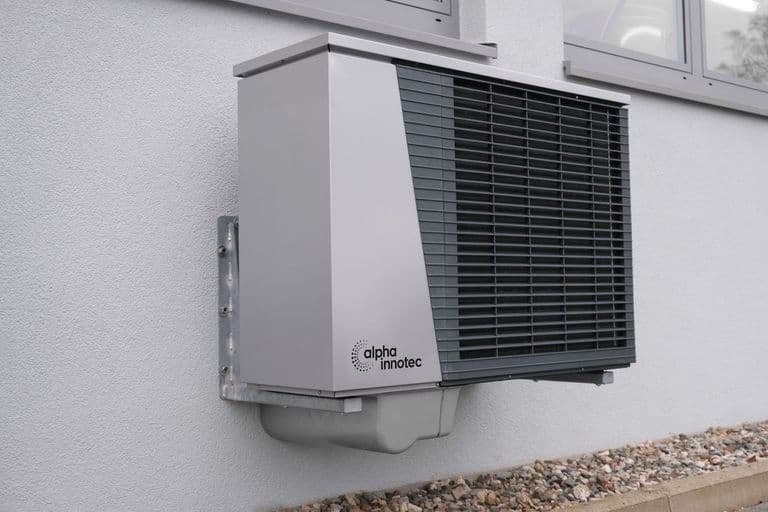
Heat Pump, Solar & H Tariff: How to Plan Together
Combining a heat pump, rooftop solar panels and a preferential electricity tariff can significantly cut household energy bills — but only if you plan all three as one integrated system. This guide walks through the decision logic, common mistakes and key considerations for homeowners.
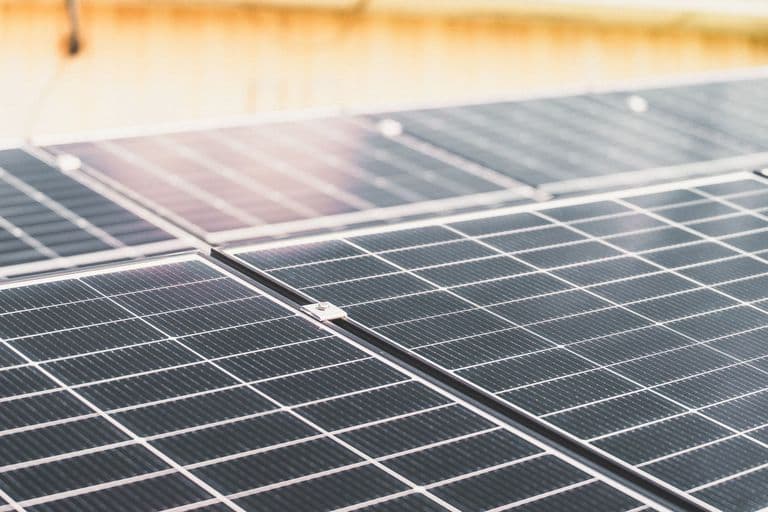
Solar + Heat Pump: When Do They Really Cut Your Bill?
Combining rooftop solar with an air-source heat pump seems like a perfect match, but real savings depend on how well their operating hours overlap. This guide explains the key decision factors for homeowners considering both systems.
Comments
0 commentsBe the first to comment.