
Data center development has become a flashpoint in many communities across the US and Europe. Residents often feel left out of decisions about massive facilities appearing in their neighborhoods, leading to organized opposition and regulatory friction. According to a Renewable Energy World analysis, this backlash stems largely from a failure to engage communities early and meaningfully.
Yet the economic benefits of data centers are real and measurable: local job creation, increased tax revenues, and investment in energy infrastructure that can serve broader community needs. The challenge — and the opportunity — lies in how utilities and developers communicate and collaborate with the public from the outset, rather than as an afterthought.
From a grid perspective, the enormous electricity demand of hyperscale data centers creates a compelling business case for infrastructure upgrades. These investments, if planned strategically, can accelerate the integration of renewable energy sources and modernize aging grid systems that would otherwise take decades to update through conventional funding cycles.
The key shift needed is from a spectator model to a partnership model. When communities see tangible benefits — cleaner energy, grid resilience, local revenue sharing — opposition softens. Proactive utility strategies that align data center growth with broader energy transition goals can transform controversy into a genuine driver of sustainable infrastructure development.
Source: How can utilities transform data center backlash into a catalyst for grid modernization? - Renewable Energy World· Based on source, with AI-assisted rewriting.
Related articles
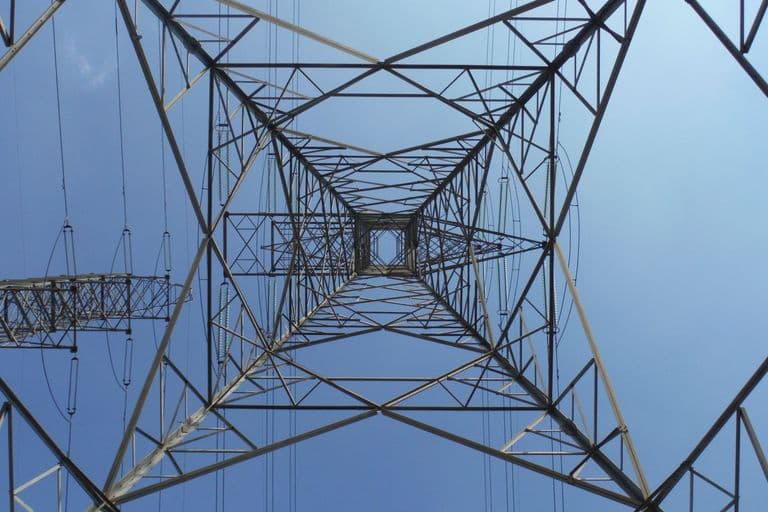
Why broadband communication is the backbone of grid modernization
The Utility Broadband Alliance (UBBA) has welcomed Eversource Energy and Hawaiian Electric as new members, underlining a growing consensus: without robust communication infrastructure, modern grids cannot reliably integrate solar, storage and other distributed energy resources.
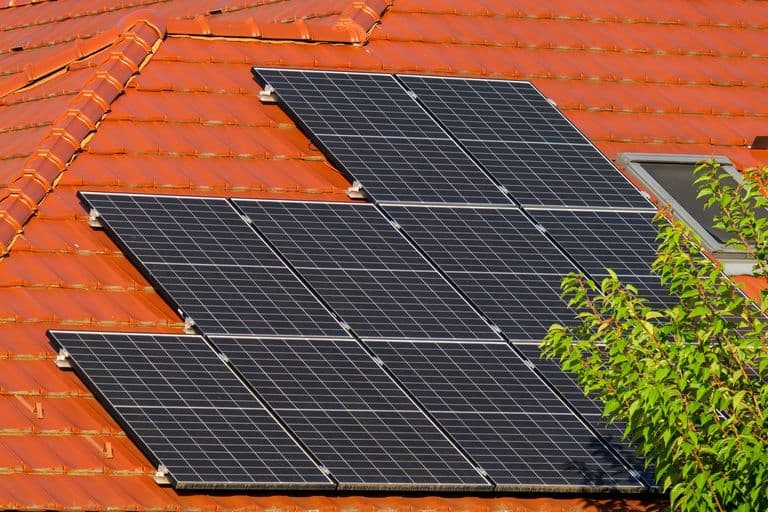
Jackery Solar Roof & SolarVault 3: integrated home energy storage debuts
Jackery unveiled its Solar Roof system and SolarVault 3 home battery storage during a media tour at its Shenzhen headquarters. The integrated solution targets self-consumption — a key metric for European homeowners looking to cut grid dependency.
Solar PV in Winter: How to Harden Your System for Resilience
The U.S. Department of Energy has published guidance on hardening solar photovoltaic systems against winter weather. The findings are broadly relevant for homeowners and installers across Europe facing snow loads, freezing temperatures, and reduced winter irradiance.

GM to Build Sodium-Ion Cells for Grid-Scale Battery Storage
General Motors and sodium-ion startup Peak Energy have announced a partnership to develop and manufacture sodium-ion battery cells for grid storage applications. GM will handle cell development and retain exclusive manufacturing rights at its Michigan labs, while Peak Energy integrates the cells into its proprietary BESS systems.
Comments
0 commentsBe the first to comment.