
Martha's Vineyard, the popular island destination off the coast of Massachusetts, presents a real-world test case for EV drivers venturing beyond well-connected charging networks. As more people arrive by ferry with their electric vehicles, the question of where and how to charge becomes central to trip planning.
The island has a limited but growing number of public charging stations, primarily Level 2 AC chargers. Visitors are advised to check charging availability at their accommodation in advance, and to arrive with a full battery whenever possible — ferry crossings don't offer charging, so range management starts before you even reach the island.
DC fast chargers remain scarce in remote and island communities across the US and Europe alike. This makes overnight charging at hotels or vacation rentals the most reliable strategy. Apps like PlugShare can help identify available chargers, though real-time availability may vary in less connected areas.
The good news: daily driving distances on islands are typically short, meaning a partial overnight charge is often sufficient. EV drivers who plan ahead consistently report that island travel with an electric vehicle is not only feasible, but genuinely enjoyable — quiet roads and zero local emissions make for an ideal match.
Source: Your Electric Vehicle on Martha’s Vineyard - Bluedot Living - Google News — EV· Based on source, with AI-assisted rewriting.
Related articles
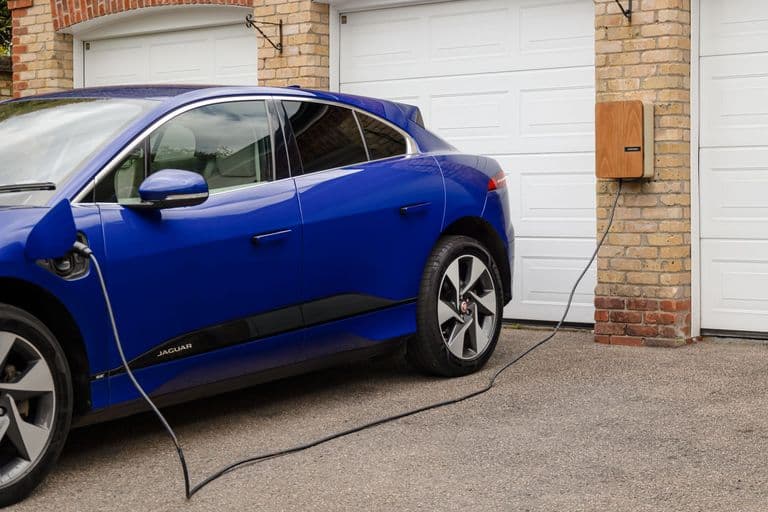
EV in Winter: Range Loss, Home Charging and Preheating
Cold weather can noticeably shrink an electric car's range, as sluggish battery chemistry and cabin heating both draw on the same pack. Preconditioning while plugged in, gentle overnight AC charging and smart timing in a solar-equipped home recover much of that loss. Here is what to expect and how to fit your EV into your home energy setup.
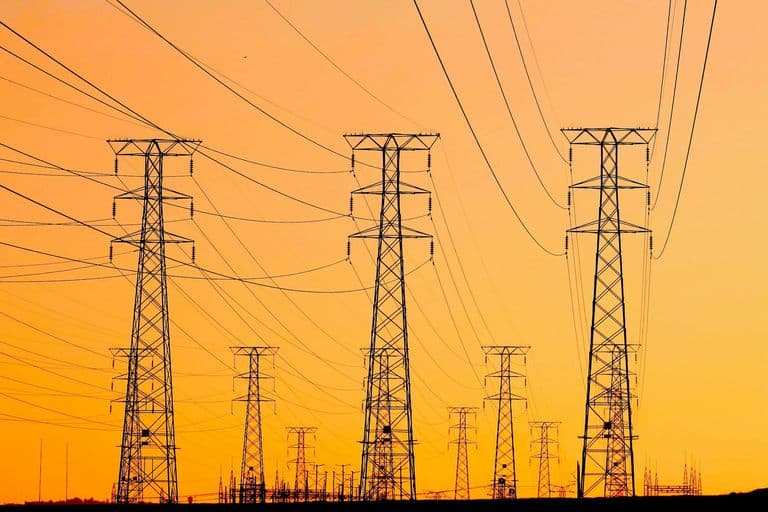
Dutch grid jams force homeowners to delay heat pumps and EV chargers
Thousands of Dutch homeowners are being told to put their heat pump installations and EV charging plans on hold as electricity grid congestion reaches critical levels. The Dutch case is a warning signal for the rest of Europe about the limits of aging grid infrastructure.
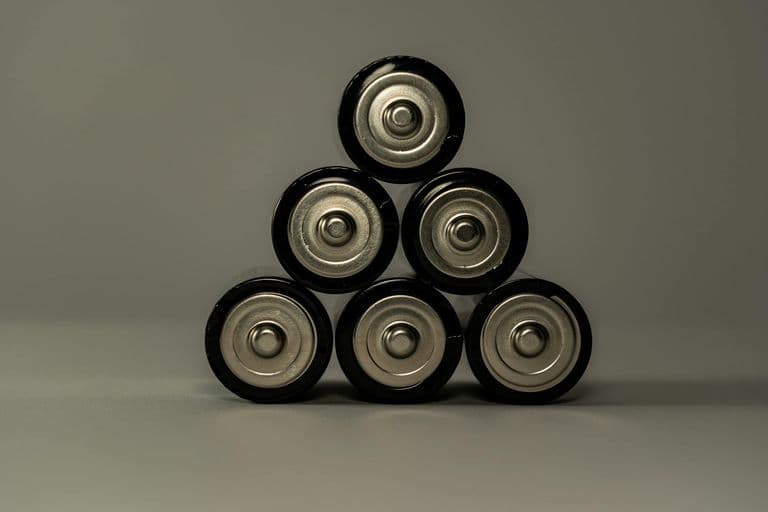
GM bets on sodium-ion storage and V2G at home
At its June 2026 Empower event in San Francisco, GM announced US-developed sodium-ion grid-scale battery storage and software-enabled V2G for existing EV owners — two moves that could reshape how homes and grids store renewable energy.
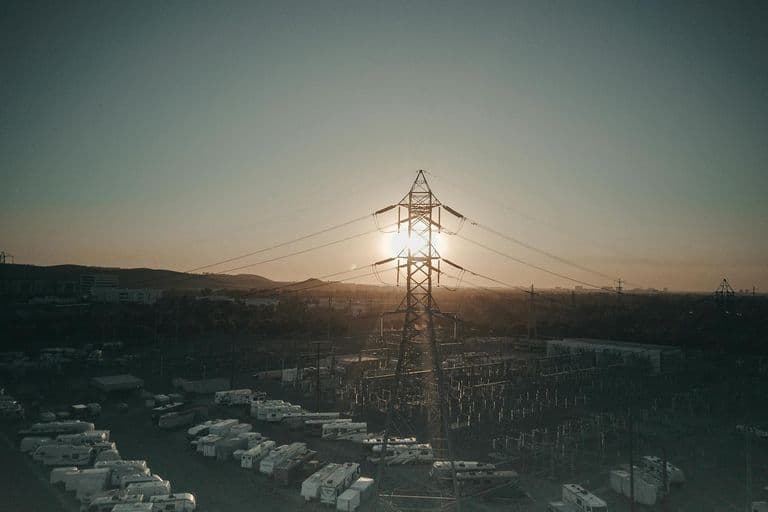
150 Power Plants: The Hidden Grid Cost of Weakening EU EV Targets
Scaling back the EU's electric vehicle targets could force Europe to build the equivalent of 150 new power plants just to keep the electricity grid balanced. EVs aren't just cars — as mobile battery storage, they are a critical and low-cost tool for integrating solar and wind energy into the grid.
Comments
0 commentsBe the first to comment.