
In an exclusive interview with electrive, Martin Roemheld, head of EnBW mobility+ — one of Europe's largest public charging network operators — laid out his vision for the next evolution of fast-charging infrastructure. His core message: the industry is moving beyond simple network expansion into a new era defined by power density and service quality rather than sheer point count.
Roemheld makes a striking argument: the kilowatt-hour sold at a charger is not a product in itself. The real competitive battleground is the integrated experience — reliability, seamless payment, location intelligence, and added services that give drivers a reason to prefer one network over another. This perspective is increasingly relevant across Europe, where multiple operators compete for the same high-traffic sites.
One of the biggest structural challenges Roemheld identifies is grid connection — the slow and complex process of linking new high-power charging hubs to the electricity distribution network. This bottleneck is limiting the speed of rollout not just in Germany, but across EU member states, and he calls for systemic reforms in how grid operators handle connection requests for charging infrastructure.
Roemheld also addressed the German automotive industry directly: building great electric cars is not enough. Automakers need to actively participate in shaping the charging ecosystem — because the future of EV adoption depends as much on the infrastructure experience as on the vehicle itself. For the broader EV market, his message is clear: whoever creates genuine value at the charger — not just meters kilowatt-hours — will win the next decade.
Source: „Die Kilowattstunde allein ist kein Produkt“ – Martin Roemheld, EnBW mobility+ - Electrive (DE)· Based on source, with AI-assisted rewriting.
Related articles
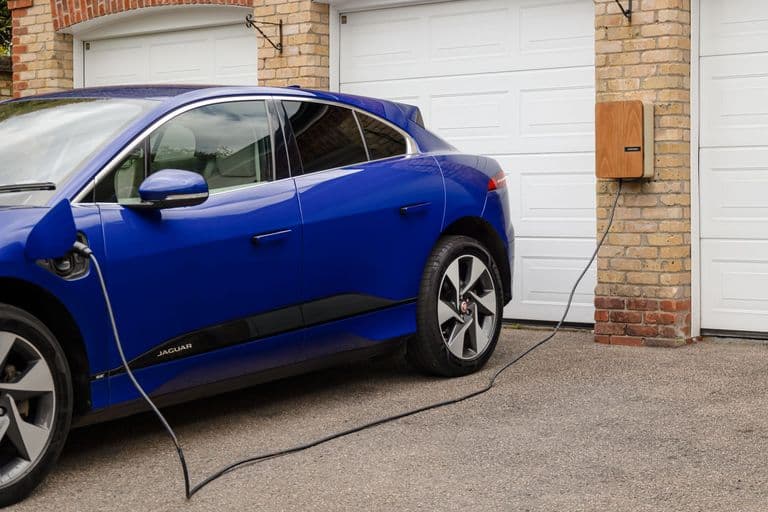
EV in Winter: Range Loss, Home Charging and Preheating
Cold weather can noticeably shrink an electric car's range, as sluggish battery chemistry and cabin heating both draw on the same pack. Preconditioning while plugged in, gentle overnight AC charging and smart timing in a solar-equipped home recover much of that loss. Here is what to expect and how to fit your EV into your home energy setup.

Battery storage booms, but Australia's grid edge lags behind
Australia's Cheaper Home Batteries Program has added 10.7 GWh of distributed storage to the grid, while EV sales surge to one in six new cars. Yet the country's biggest challenge is no longer on the supply side — it's the low-voltage distribution network that can't keep pace with simultaneous demand from EVs, home batteries and data centres.

Dutch grid crisis: solar owners asked to cut output at peak times
The Netherlands is facing severe electricity grid congestion, with distributors Liander and Enexis calling on solar PV owners to temporarily reduce feed-in during peak hours. Around 7,300 customers are waiting for stronger grid connections, and new priority rules take effect in July 2026.
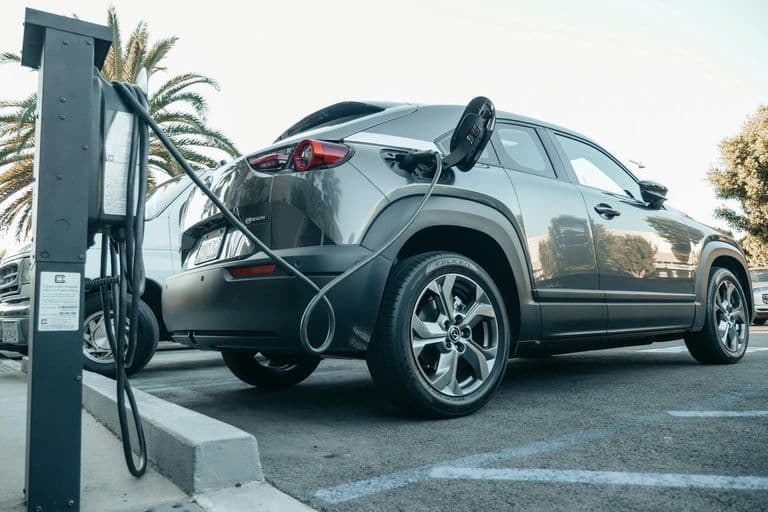
EV Charging Incentives for Apartment Buildings: Santa Barbara Shows the Way
Santa Barbara Clean Energy, a California-based Community Choice Aggregator, has launched new EV charging support and incentives specifically targeting multifamily residential properties. The program combines financial incentives with technical assistance to bring charging infrastructure to apartment buildings — a challenge many EV drivers in shared housing face globally.
Comments
0 commentsBe the first to comment.