
Australia has spent years solving generation capacity — and it's paying off. The government-backed Cheaper Home Batteries Program has delivered 10.7 GWh of household battery storage connected to the grid, while utility-scale solar, wind and large battery projects continue to reshape electricity supply. A global oil crisis is accelerating the shift: in March, nearly 16,000 electric vehicles were sold in Australia, and by April, one in six new cars sold was fully electric.
Generation solved — distribution next
Without this visibility, the risk is costly: network operators may overbuild infrastructure in some areas while underinvesting in others. Those inefficiencies get passed directly to consumers through higher electricity bills. Technologies such as low-voltage network monitoring, predictive fault detection and smarter data analytics are not optional extras — they are prerequisites for a cost-effective energy transition, argues Ana Duran, Product Manager at EA Technology.
The lesson extends well beyond Australia. Across the EU, grid edge management is becoming the defining challenge of electrification. Countries rolling out EV charging infrastructure, rooftop solar incentives and heat pump subsidies are discovering the same bottleneck: renewable generation capacity is growing faster than the intelligence of the networks that carry it. The age of electrification will ultimately be defined not by how much renewable capacity is installed, but by how intelligently demand can be managed when millions of devices activate the grid simultaneously.
Source: Age of electrification exposing Australia’s weakest link - PV Magazine International· Based on source, with AI-assisted rewriting.
Related articles

How Much Do Solar Panels Produce in Winter? Realistic Numbers
Winter output from a rooftop solar system is a fraction of the summer peak: shorter days, a low sun, cloud and snow mean that the four darkest months together typically deliver only around a tenth to a fifth of the annual yield, depending on latitude. This guide sets realistic month-by-month expectations, explains what winter means for self-consumption and your bill, shows how a battery and smart scheduling help, and why you should never size a system for December.
Heat Pump, Solar & H Tariff: How to Plan Together
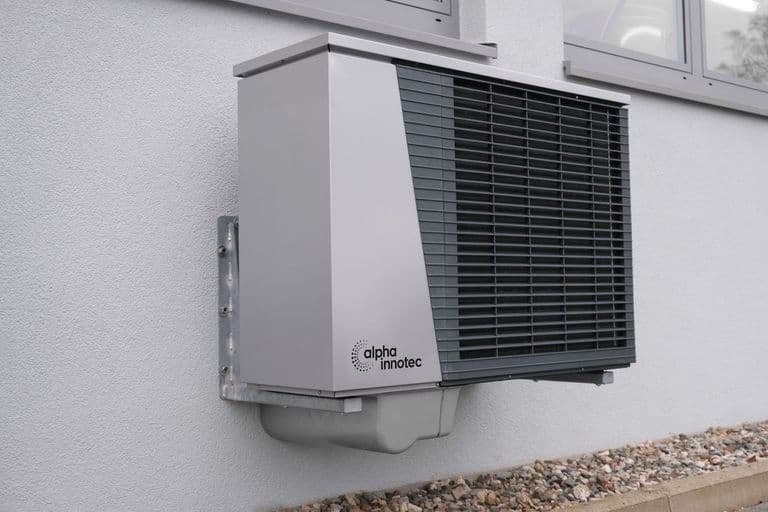
Combining a heat pump, rooftop solar panels and a preferential electricity tariff can significantly cut household energy bills — but only if you plan all three as one integrated system. This guide walks through the decision logic, common mistakes and key considerations for homeowners.
Solar PV in the Arctic: Svalbard's surprising potential
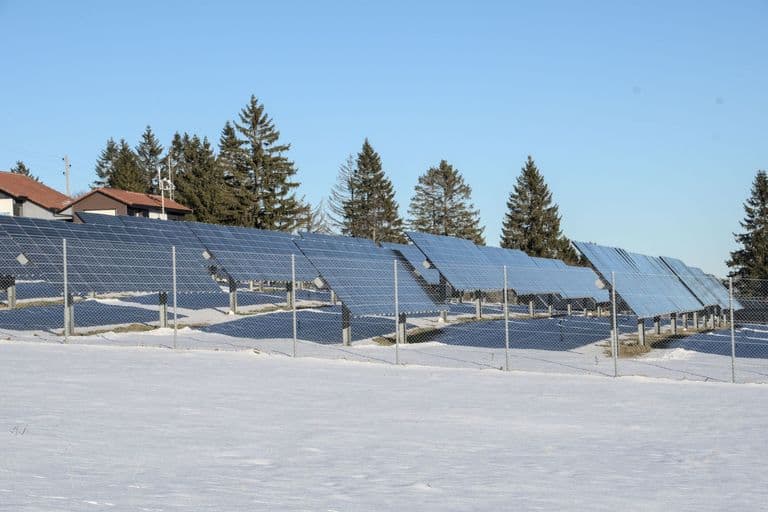
Researchers at Norway's SINTEF have found that solar PV in Longyearbyen, one of the world's northernmost inhabited settlements, can achieve capacity factors comparable to central European cities during summer. The study shows that PV, combined with wind and storage, could play a pivotal role in the Arctic energy transition.
Solar + Heat Pump: When Do They Really Cut Your Bill?
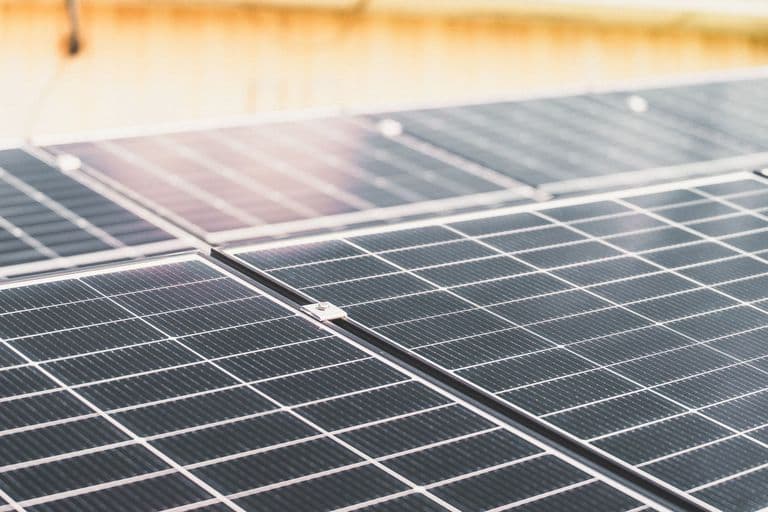
Combining rooftop solar with an air-source heat pump seems like a perfect match, but real savings depend on how well their operating hours overlap. This guide explains the key decision factors for homeowners considering both systems.
Comments
0 commentsBe the first to comment.