
German energy provider Enercity, together with Volkswagen Commercial Vehicles, has reached a significant milestone in vehicle-to-grid (V2G) technology: a fleet of electric vehicles fed electricity back into the public grid in Hanover and that energy was traded on the electricity spot market. Crucially, this happened not in a lab but in a genuine business-to-business operational environment.
Why this milestone matters
For the first time, a commercially operated EV fleet functioned collectively as a virtual power plant and storage system, actively participating in electricity market trading. Previous V2G demonstrations have largely remained confined to research settings or single-vehicle trials. This project shows the technology is ready for real-world deployment at fleet scale.
The project also demonstrated financial viability — it generated revenue. This is a critical proof point for fleet operators and energy companies across the EU considering V2G investments. With bidirectional charging infrastructure still maturing, Enercity and VW's results offer a compelling business case that could accelerate regulatory and grid adaptation across Europe.
For markets outside Germany, the implications are broad: any country with a growing EV fleet and flexible electricity markets could replicate this model. The convergence of electric mobility, energy storage, and grid services is no longer theoretical — it is commercially operational.
Source: Germany: Enercity successfully sells electricity from EV batteries on the power market - Electrive (EN)· Based on source, with AI-assisted rewriting.
Related articles
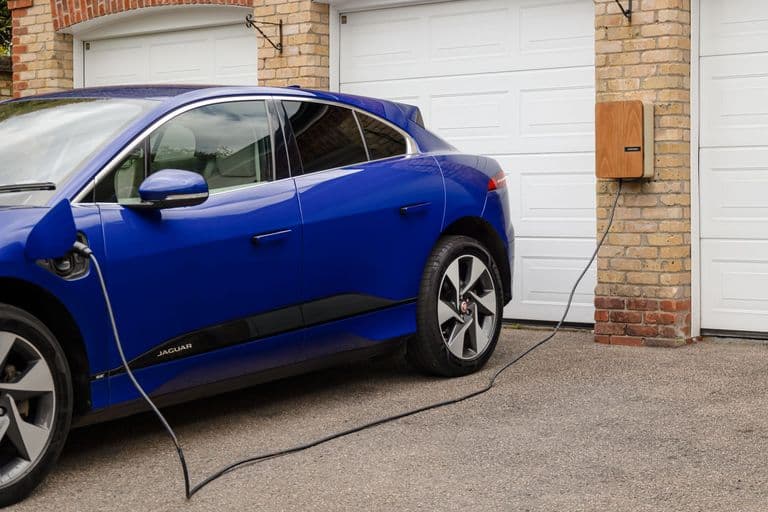
EV in Winter: Range Loss, Home Charging and Preheating
Cold weather can noticeably shrink an electric car's range, as sluggish battery chemistry and cabin heating both draw on the same pack. Preconditioning while plugged in, gentle overnight AC charging and smart timing in a solar-equipped home recover much of that loss. Here is what to expect and how to fit your EV into your home energy setup.
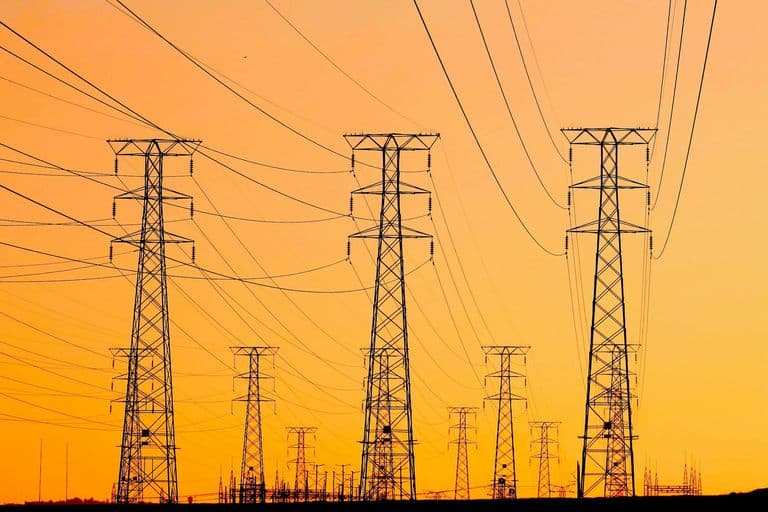
Dutch grid jams force homeowners to delay heat pumps and EV chargers
Thousands of Dutch homeowners are being told to put their heat pump installations and EV charging plans on hold as electricity grid congestion reaches critical levels. The Dutch case is a warning signal for the rest of Europe about the limits of aging grid infrastructure.
GM bets on sodium-ion storage and V2G at home
At its June 2026 Empower event in San Francisco, GM announced US-developed sodium-ion grid-scale battery storage and software-enabled V2G for existing EV owners — two moves that could reshape how homes and grids store renewable energy.
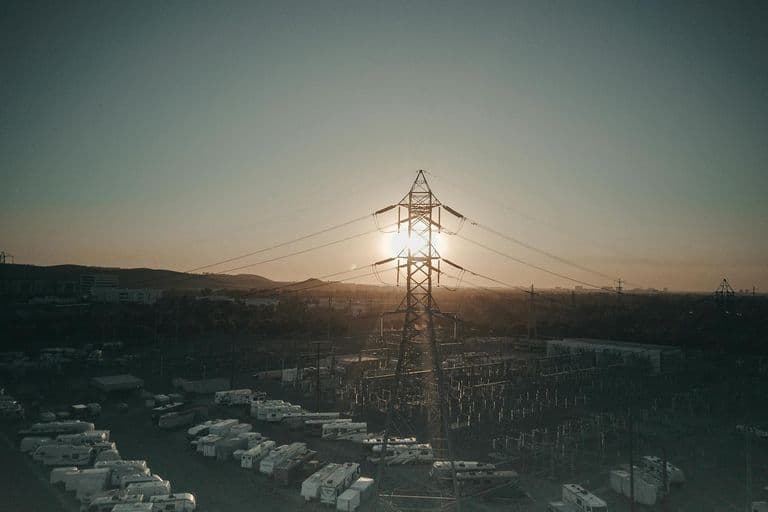
150 Power Plants: The Hidden Grid Cost of Weakening EU EV Targets
Scaling back the EU's electric vehicle targets could force Europe to build the equivalent of 150 new power plants just to keep the electricity grid balanced. EVs aren't just cars — as mobile battery storage, they are a critical and low-cost tool for integrating solar and wind energy into the grid.
Comments
0 commentsBe the first to comment.