
One of the most persistent myths surrounding electric vehicles is that charging them is expensive or complicated. In reality, drivers who charge at home — especially overnight on cheaper off-peak tariffs — often pay a fraction of what they'd spend on petrol or diesel. Across much of Europe, home electricity rates allow EV owners to cover 100 km for just €1.50–€2.50, compared to €8–€12 for a comparable combustion engine vehicle.
The math becomes even more compelling when solar panels enter the equation. Homeowners with rooftop PV systems can charge their EV using self-generated electricity, pushing the per-kilometer cost close to zero during sunny months. This combination of home solar and EV charging is increasingly popular across the EU, where both technologies have seen dramatic cost reductions over the past decade.
Public fast-charging networks are more expensive — typically €0.40–€0.70 per kWh depending on the provider and country — but they remain cheaper than petrol for most journeys. The key to maximising savings with an EV is to rely on home or workplace charging for daily commutes and use public chargers only when needed for longer trips.
Installing a home wallbox charger is a one-time investment, usually ranging from €400 to €1,200 depending on power output and installation complexity. Many EU member states, including Germany, Austria, and Spain, offer subsidies or tax incentives that can significantly reduce this upfront cost.
The bottom line: electric vehicle charging costs are routinely underestimated by those who haven't made the switch yet. Once drivers do the numbers based on their own usage patterns, the financial case for going electric becomes hard to ignore — especially as electricity prices stabilise and EV model choices continue to expand.
Source: Charging My Electric Car Is MUCH Cheaper Than Most People Think - CleanTechnica - Google News — EV· Based on source, with AI-assisted rewriting.
Related articles
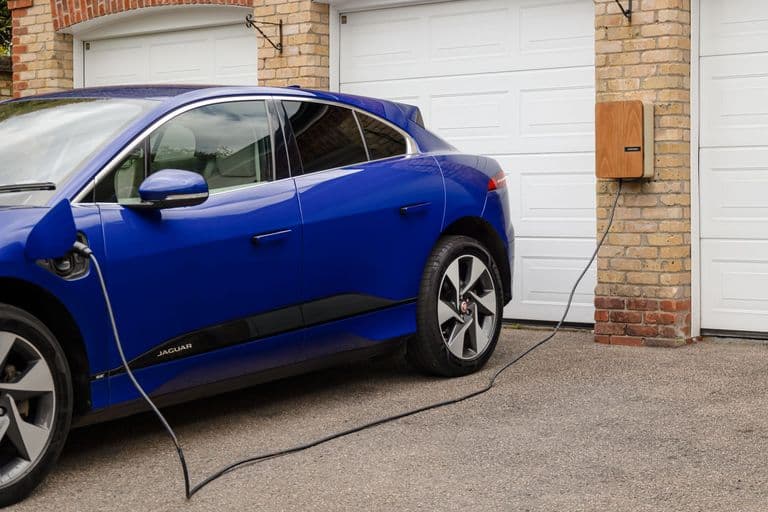
EV in Winter: Range Loss, Home Charging and Preheating
Cold weather can noticeably shrink an electric car's range, as sluggish battery chemistry and cabin heating both draw on the same pack. Preconditioning while plugged in, gentle overnight AC charging and smart timing in a solar-equipped home recover much of that loss. Here is what to expect and how to fit your EV into your home energy setup.
Dutch grid jams force homeowners to delay heat pumps and EV chargers
Thousands of Dutch homeowners are being told to put their heat pump installations and EV charging plans on hold as electricity grid congestion reaches critical levels. The Dutch case is a warning signal for the rest of Europe about the limits of aging grid infrastructure.
GM bets on sodium-ion storage and V2G at home
At its June 2026 Empower event in San Francisco, GM announced US-developed sodium-ion grid-scale battery storage and software-enabled V2G for existing EV owners — two moves that could reshape how homes and grids store renewable energy.
150 Power Plants: The Hidden Grid Cost of Weakening EU EV Targets
Scaling back the EU's electric vehicle targets could force Europe to build the equivalent of 150 new power plants just to keep the electricity grid balanced. EVs aren't just cars — as mobile battery storage, they are a critical and low-cost tool for integrating solar and wind energy into the grid.
Comments
0 commentsBe the first to comment.