
One of the most persistent barriers to EV adoption is the lack of home charging options for residents of apartment buildings and multifamily housing. While homeowners can easily install a wallbox in their garage, renters and condo owners often face shared electrical infrastructure, complex permitting processes, and the need for building-wide consent.
What Does the Santa Barbara Program Offer?
The CCA model is particularly well-suited to this kind of targeted intervention: as a community-controlled energy buyer, SBCE can direct resources toward local priorities, including equitable access to EV infrastructure. The program also prioritizes lower-income households, addressing a key equity dimension of the EV transition.
A Blueprint for Other Regions
As EV adoption accelerates globally, closing the multifamily charging gap will be essential. The Santa Barbara initiative demonstrates that community energy organizations can play a decisive role — not just in sourcing green electricity, but in building the physical infrastructure that makes the EV transition accessible to everyone.
Source: New Electric Vehicle Charging Support and Incentives for Multifamily Properties from Santa Barbara Clean Energy - California Community Choice Association - Google News — EV· Based on source, with AI-assisted rewriting.
Related articles
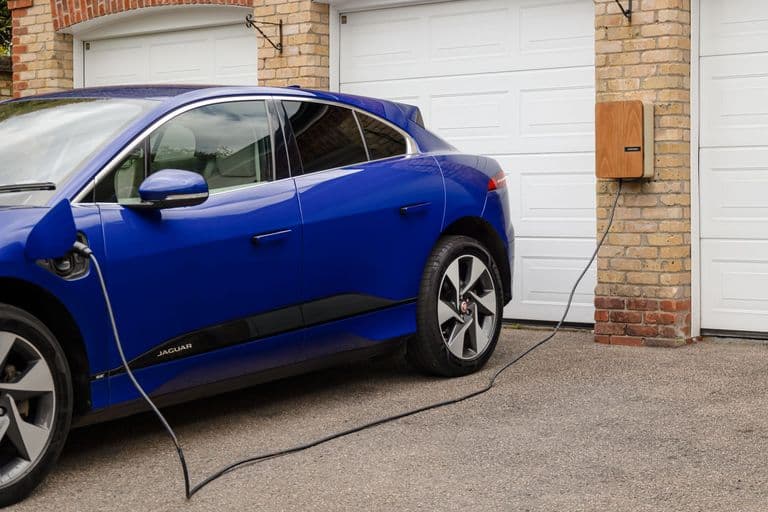
EV in Winter: Range Loss, Home Charging and Preheating
Cold weather can noticeably shrink an electric car's range, as sluggish battery chemistry and cabin heating both draw on the same pack. Preconditioning while plugged in, gentle overnight AC charging and smart timing in a solar-equipped home recover much of that loss. Here is what to expect and how to fit your EV into your home energy setup.
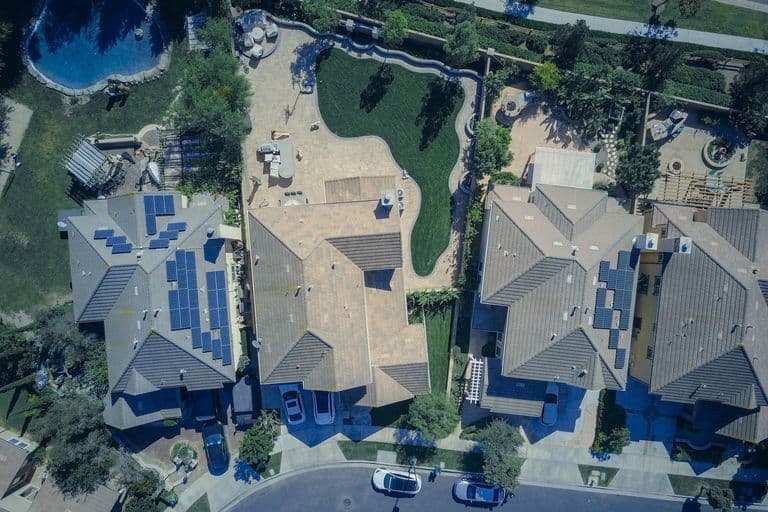
Battery storage booms, but Australia's grid edge lags behind
Australia's Cheaper Home Batteries Program has added 10.7 GWh of distributed storage to the grid, while EV sales surge to one in six new cars. Yet the country's biggest challenge is no longer on the supply side — it's the low-voltage distribution network that can't keep pace with simultaneous demand from EVs, home batteries and data centres.
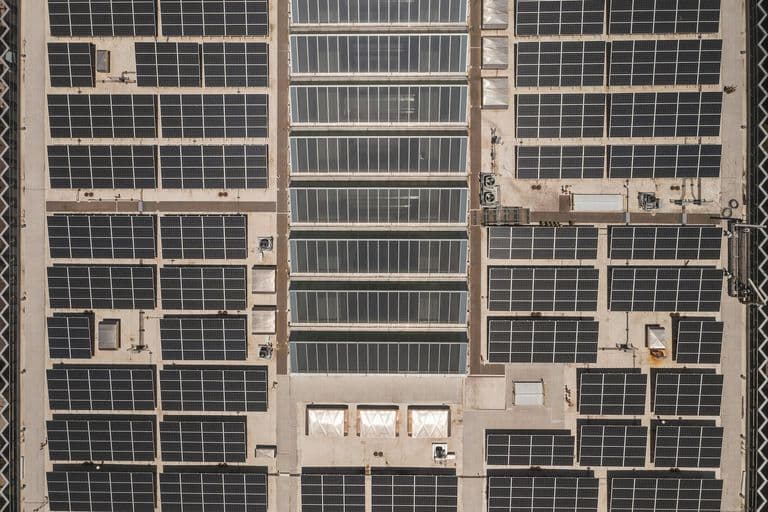
Dutch grid crisis: solar owners asked to cut output at peak times
The Netherlands is facing severe electricity grid congestion, with distributors Liander and Enexis calling on solar PV owners to temporarily reduce feed-in during peak hours. Around 7,300 customers are waiting for stronger grid connections, and new priority rules take effect in July 2026.
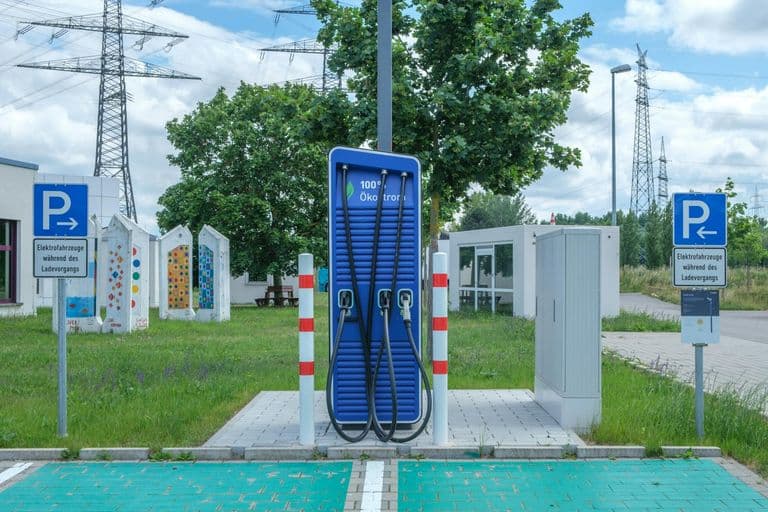
Washington State Commits $37M to Statewide EV Charging Access
Washington State's Department of Commerce is deploying $37 million to expand EV charging infrastructure across the entire state, with a focus on underserved and rural communities. The investment is a key pillar of Washington's broader strategy to make 100% of new car sales zero-emission by 2030.
Comments
0 commentsBe the first to comment.