
Across the United States, the build-out of electric vehicle charging infrastructure is running into a frustrating wall — not a lack of money, but a tangle of federal and state-level bureaucracy. Permitting processes, utility connection approvals, and overlapping jurisdictions are collectively delaying projects by months or even years, even when funding is already secured.
The Core Problem: Money Isn't Enough
Lessons for Europe and the EU
Experts point to streamlined single-window permitting, proactive utility engagement, and stronger public-private partnerships as key solutions. Several US states have already begun piloting faster-track approval processes, offering a potential blueprint for others to follow.
For EV drivers and charging network operators worldwide, the takeaway is clear: the technology is ready, demand is growing, but administrative speed is the defining factor in how quickly the charging ecosystem can catch up. Governments that move fast on reform will gain a significant competitive edge in the electric mobility transition.
Source: Federal, State Sluggishness Throttles EV Charging Stations - govtech.com - Google News — EV· Based on source, with AI-assisted rewriting.
Related articles
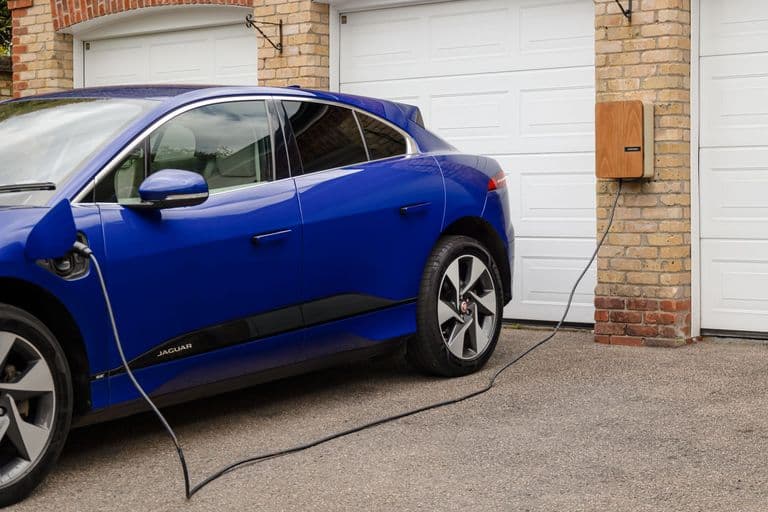
EV in Winter: Range Loss, Home Charging and Preheating
Cold weather can noticeably shrink an electric car's range, as sluggish battery chemistry and cabin heating both draw on the same pack. Preconditioning while plugged in, gentle overnight AC charging and smart timing in a solar-equipped home recover much of that loss. Here is what to expect and how to fit your EV into your home energy setup.
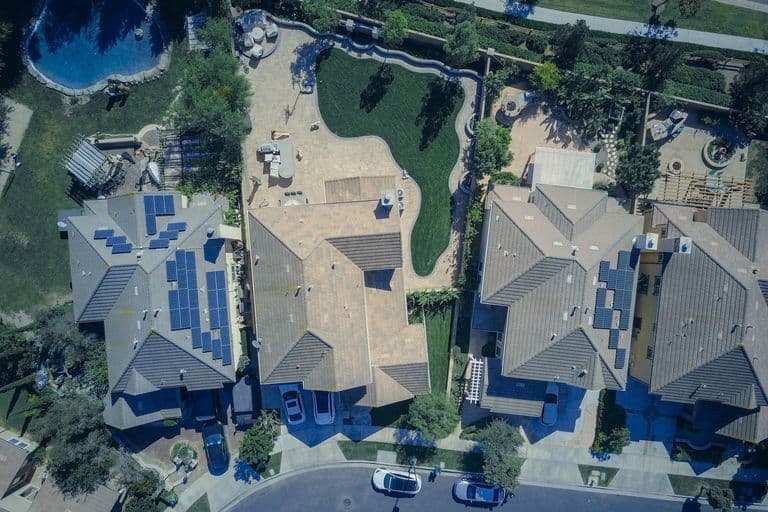
Battery storage booms, but Australia's grid edge lags behind
Australia's Cheaper Home Batteries Program has added 10.7 GWh of distributed storage to the grid, while EV sales surge to one in six new cars. Yet the country's biggest challenge is no longer on the supply side — it's the low-voltage distribution network that can't keep pace with simultaneous demand from EVs, home batteries and data centres.
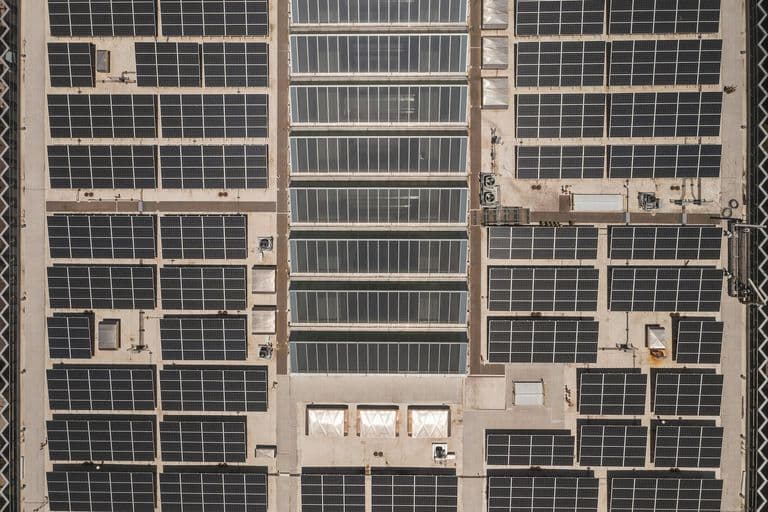
Dutch grid crisis: solar owners asked to cut output at peak times
The Netherlands is facing severe electricity grid congestion, with distributors Liander and Enexis calling on solar PV owners to temporarily reduce feed-in during peak hours. Around 7,300 customers are waiting for stronger grid connections, and new priority rules take effect in July 2026.
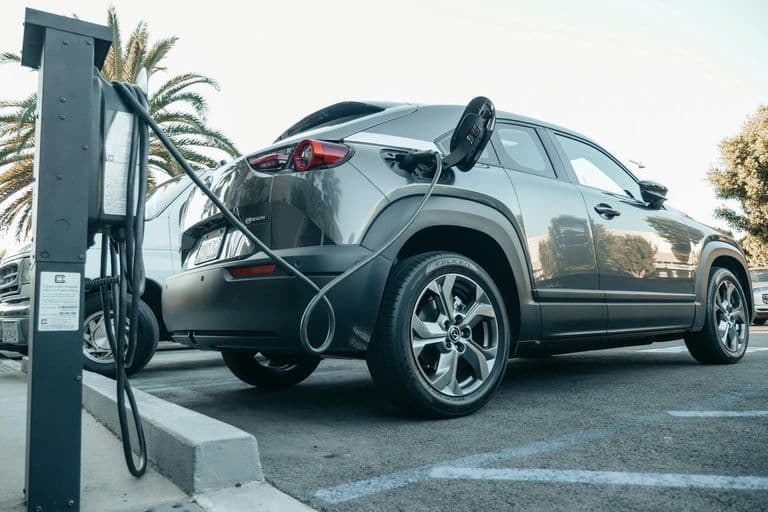
EV Charging Incentives for Apartment Buildings: Santa Barbara Shows the Way
Santa Barbara Clean Energy, a California-based Community Choice Aggregator, has launched new EV charging support and incentives specifically targeting multifamily residential properties. The program combines financial incentives with technical assistance to bring charging infrastructure to apartment buildings — a challenge many EV drivers in shared housing face globally.
Comments
0 commentsBe the first to comment.