
A guest column published in Cascadia Daily News has put a spotlight on a proposed $250 annual fee for electric vehicle owners in the region. The author argues that while the underlying rationale — compensating for lost fuel-tax revenue — is understandable, the timing could not be worse for the EV market's momentum.
Electric vehicles don't contribute to road maintenance funds through traditional fuel taxes, which has prompted many US states and regions to explore flat annual fees as a substitute. However, critics point out that penalising early EV adopters at a time when charging infrastructure is still expanding and purchase prices remain high risks slowing down the broader transition to clean transport.
The debate is not unique to the Pacific Northwest. Across Europe and beyond, policymakers are wrestling with the same dilemma: how to fund road infrastructure fairly as combustion-engine vehicles decline, without creating new barriers to EV adoption. Several EU member states are exploring road-use charges and registration fees calibrated to vehicle type rather than fuel consumption.
Advocates for a more gradual approach suggest that any new EV levy should be phased in, kept proportionate to actual road use, and accompanied by meaningful investment in public charging networks. Getting the balance right will be essential if governments want to meet their electrification targets without losing public trust among electric vehicle drivers.
Source: Guest writer: Timing on proposed $250 annual electric vehicle fee hard to digest - Cascadia Daily News - Google News — EV· Based on source, with AI-assisted rewriting.
Related articles
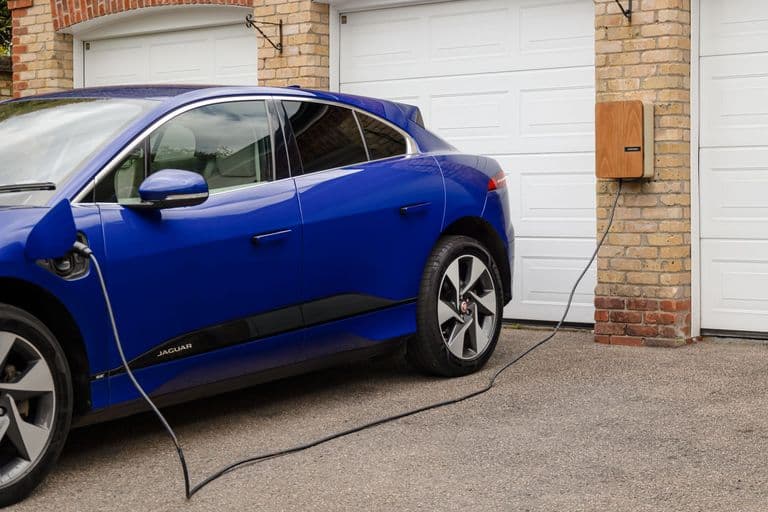
EV in Winter: Range Loss, Home Charging and Preheating
Cold weather can noticeably shrink an electric car's range, as sluggish battery chemistry and cabin heating both draw on the same pack. Preconditioning while plugged in, gentle overnight AC charging and smart timing in a solar-equipped home recover much of that loss. Here is what to expect and how to fit your EV into your home energy setup.
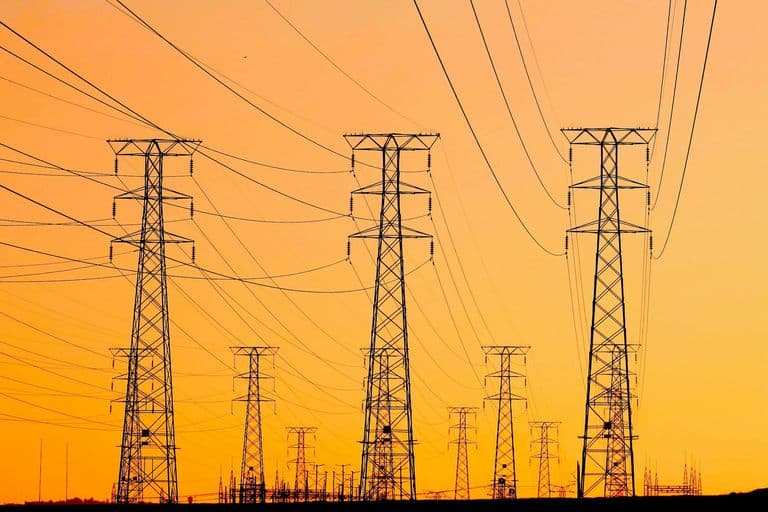
Dutch grid jams force homeowners to delay heat pumps and EV chargers
Thousands of Dutch homeowners are being told to put their heat pump installations and EV charging plans on hold as electricity grid congestion reaches critical levels. The Dutch case is a warning signal for the rest of Europe about the limits of aging grid infrastructure.
GM bets on sodium-ion storage and V2G at home
At its June 2026 Empower event in San Francisco, GM announced US-developed sodium-ion grid-scale battery storage and software-enabled V2G for existing EV owners — two moves that could reshape how homes and grids store renewable energy.
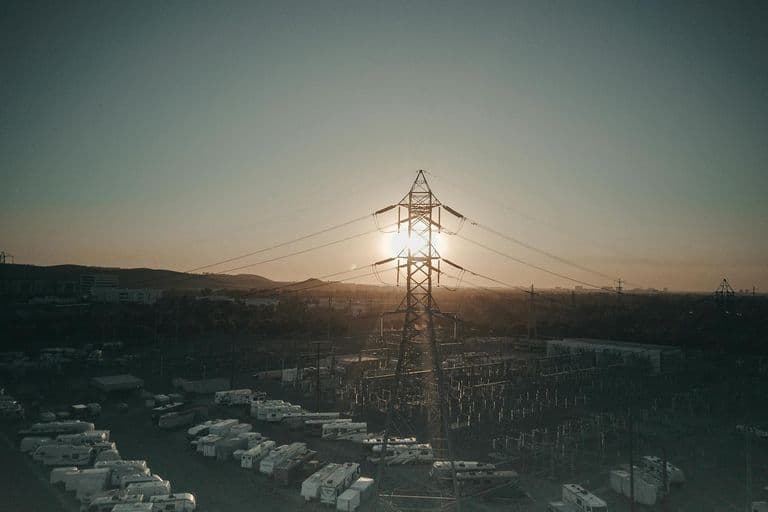
150 Power Plants: The Hidden Grid Cost of Weakening EU EV Targets
Scaling back the EU's electric vehicle targets could force Europe to build the equivalent of 150 new power plants just to keep the electricity grid balanced. EVs aren't just cars — as mobile battery storage, they are a critical and low-cost tool for integrating solar and wind energy into the grid.
Comments
0 commentsBe the first to comment.