
Why You Should Plan All Three Together
Many homeowners approach home energy upgrades by asking about heat pumps, solar panels and special electricity tariffs separately. This is understandable, but it leads to suboptimal outcomes: the three components interact with and amplify each other's performance, so decisions made in isolation often result in oversized, undersized or poorly controlled systems. A heat pump installed without solar will draw all its electricity from the grid — which immediately erodes much of the expected savings.
A heat pump works by converting electrical energy into heat at a ratio expressed as the COP (Coefficient of Performance). A COP of 3 means that 1 kWh of electricity produces approximately 3 kWh of heat. This is already far more efficient than a direct electric boiler, but its economic advantage grows substantially when that electricity comes from your own rooftop solar rather than from the grid at full market price.
What Is the H Tariff and Who Qualifies?
In Hungary, households that use a heat pump as their primary heating source can, under certain conditions, qualify for a reduced electricity tariff — commonly referred to as the 'H tariff'. The exact eligibility criteria and pricing structure are set by the national energy regulator and can change over time, so homeowners should always verify the current rules with official sources such as MEKH (Hungarian Energy and Public Utility Regulatory Authority) or their licensed grid operator.
The core benefit of this tariff is a lower unit price for electricity consumed during off-peak periods — typically overnight. This creates an opportunity: a well-controlled heat pump can shift its heaviest loads to these cheaper hours, pre-heating a buffer tank or underfloor thermal mass, and reducing peak-hour grid consumption. Without solar panels, this time-of-use strategy is the most straightforward way to cut operating costs.
How Solar Panels Fit into the Picture
At first glance, solar panels and the H tariff seem misaligned: solar peaks during the day, while the H tariff discount typically applies at night. In practice, however, they complement each other well. During the day, solar self-consumption covers a portion of the heat pump's electricity demand at zero marginal cost. At night, the discounted H tariff rate takes over. Together, they can cover a substantial share of annual heating costs without relying on full-price grid electricity.
Sizing the solar system to match the heat pump's actual consumption is essential. A typical 8–12 kW air-to-water heat pump can consume roughly 3,000–5,000 kWh per year for space heating alone, depending heavily on the building's insulation and local climate. A solar array in the 4–6 kWp range can already deliver a meaningful self-consumption rate, but precise sizing should always be based on a site-specific energy audit rather than generic calculators.
When Does a Home Battery Make Sense?
Adding a home battery to a solar-plus-heat-pump setup makes most sense when production and consumption are chronologically misaligned — which is exactly the case in winter heating season, when solar output is lowest but heating demand is highest. A battery can store cheap off-peak H tariff electricity overnight and release it during the day, a strategy sometimes called tariff arbitrage. It can also store any surplus midday solar for evening use, further reducing grid dependency.
Home battery costs (typically 5–15 kWh systems) vary widely by brand and capacity, and financial payback periods depend heavily on the local tariff spread and annual usage. In many cases, the value of a battery lies less in straightforward financial return and more in energy resilience, backup capability and the flexibility to respond to dynamic tariff pricing. A detailed individual calculation is always recommended before committing to a battery purchase.
Key Mistakes to Avoid
The most common planning mistake is hiring separate contractors for the heat pump and the solar system without ensuring they coordinate. A solar installer who doesn't know the heat pump's control logic, and a heat pump engineer who doesn't know the inverter's export settings, will produce a system that technically works but leaves significant efficiency gains on the table. Look for installers or energy consultants who can plan the full system — heat pump, PV array, smart controller and optionally a battery — as a single integrated unit.
Smart energy management is where a large share of real-world savings actually comes from. Modern heat pump controllers can be integrated with solar inverter data and weather forecasts to automatically shift loads to solar surplus hours or off-peak tariff windows. This kind of intelligent scheduling can improve self-consumption by an estimated 20–30% compared to a system running on fixed timers. Compatibility between the heat pump brand and the inverter brand is a critical procurement question that is frequently overlooked.
Practical Takeaway for Homeowners
For a well-insulated home of around 100–150 m², a realistic target is to cover 50–70% of annual heating electricity costs through a combination of solar self-consumption and the H tariff discount — though actual results depend heavily on the building envelope, roof orientation and system sizing. The starting point should always be a professional on-site energy audit, not an online calculator or a sales presentation. If you are looking for comparable solar installation quotes from multiple Hungarian installers, jonapelem.hu offers a free comparison service.
Related articles

Pre-Season Heat Pump Checklist: What to Check in September
A heat pump does most of its work in the coldest months, but how much electricity it burns doing so is largely decided in September. Here is what homeowners can check themselves, from the outdoor unit to the heating curve, what to leave to a qualified engineer, and how to get the most out of rooftop solar in the autumn months.

Air conditioning on solar power: what summer cooling really costs in 2026
In a heatwave, air conditioning becomes one of the biggest loads in a household — exactly when solar panels produce the most. We look at what cooling costs with and without solar, how much extra capacity you need, and what to watch for when sizing a system.
Solar + Heat Pump: When Do They Really Cut Your Bill?
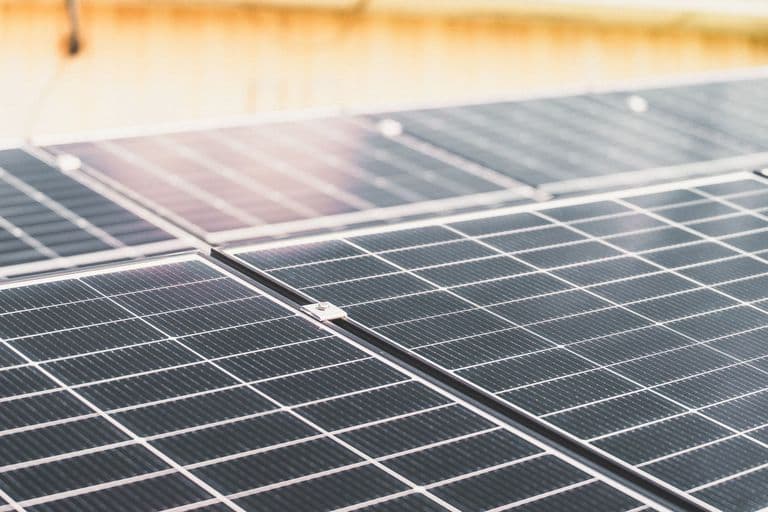
Combining rooftop solar with an air-source heat pump seems like a perfect match, but real savings depend on how well their operating hours overlap. This guide explains the key decision factors for homeowners considering both systems.

Hybrid Inverter Backup Power: What Keeps Running in an Outage?
A hybrid inverter paired with a battery can keep essential appliances running during a grid outage — but not every device in your home will stay on automatically. This guide explains how backup power actually works, what to expect, and how to plan a system that matches your real needs.
Comments
0 commentsBe the first to comment.