
Solar panels and air-to-air heat pumps — often marketed under the umbrella of 'climate heating' — are increasingly installed together by European homeowners looking to reduce both their gas dependency and their electricity bills. The logic is appealing: solar generates free electricity, and a heat pump converts that electricity into heat at high efficiency. But the reality is more nuanced, and the timing mismatch between solar production and heating demand is the central challenge that any serious planning must address.
How the Two Systems Interact
The sweet spot for genuine solar-plus-heat-pump savings lies in the shoulder seasons: spring and autumn. During March, April, October and November, heating demand is moderate, solar output is already meaningful, and a well-insulated home can use daytime solar generation to pre-heat its thermal mass, reducing evening grid consumption. This is where smart controls and programmable thermostats make a real difference — scheduling the heat pump to run when the inverter is producing.
When the Combination Makes Financial Sense
Home battery storage is often suggested as the solution to the seasonal mismatch, but it is important to set realistic expectations. A household battery can shift same-day surplus solar to evening hours — useful if the heat pump runs after sunset. But no residential battery can transfer July sunshine to January heating. Seasonal storage at household scale remains economically unfeasible with current technology. Battery investment makes most sense where time-of-use electricity tariffs create a meaningful price spread between peak and off-peak hours.
Sizing Guidance and Cost Considerations
Grid feed-in regulations differ by country and change over time. In Hungary, as elsewhere in the EU, self-consumption is increasingly favoured over feed-in tariffs, which makes maximising on-site use the priority strategy. Check current regulations with your network operator or a licensed energy consultant before making assumptions about return on investment.
For homeowners ready to compare certified solar quotes and find qualified installers who can assess both systems together, the jonapelem.hu platform offers a practical starting point — ensuring decisions are based on your home's actual parameters rather than generic estimates.
Related articles

How Much Do Solar Panels Produce in Winter? Realistic Numbers
Winter output from a rooftop solar system is a fraction of the summer peak: shorter days, a low sun, cloud and snow mean that the four darkest months together typically deliver only around a tenth to a fifth of the annual yield, depending on latitude. This guide sets realistic month-by-month expectations, explains what winter means for self-consumption and your bill, shows how a battery and smart scheduling help, and why you should never size a system for December.

Pre-Season Heat Pump Checklist: What to Check in September
A heat pump does most of its work in the coldest months, but how much electricity it burns doing so is largely decided in September. Here is what homeowners can check themselves, from the outdoor unit to the heating curve, what to leave to a qualified engineer, and how to get the most out of rooftop solar in the autumn months.

Air conditioning on solar power: what summer cooling really costs in 2026
In a heatwave, air conditioning becomes one of the biggest loads in a household — exactly when solar panels produce the most. We look at what cooling costs with and without solar, how much extra capacity you need, and what to watch for when sizing a system.
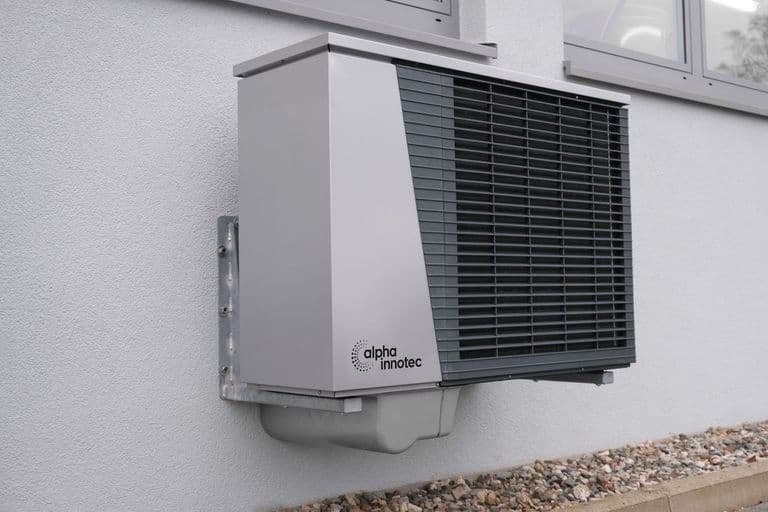
Heat Pump, Solar & H Tariff: How to Plan Together
Combining a heat pump, rooftop solar panels and a preferential electricity tariff can significantly cut household energy bills — but only if you plan all three as one integrated system. This guide walks through the decision logic, common mistakes and key considerations for homeowners.
Comments
0 commentsBe the first to comment.