
Honda has recorded its largest loss in company history, marking a dramatic turning point for one of the world's most established automakers. The company attributed the financial damage to two key factors: the impact of US tariffs introduced under the Trump administration and the intensifying pressure from Chinese electric vehicle manufacturers, who have aggressively expanded their global market share with competitively priced models.
In response, Honda has officially abandoned its previously stated EV sales targets and is redirecting its focus toward hybrid technology. While Honda has long offered hybrid models — most notably under its e:HEV lineup — the new strategy signals a clear retreat from the aggressive electrification roadmap the company had outlined in recent years. This pivot reflects a growing tension within the global auto industry between long-term EV ambitions and short-term commercial realities.
As part of the strategic reset, Honda is also reviving the Prelude, the beloved sports coupe that last went on sale in 2001. The new Prelude will return as a hybrid model, blending nostalgic appeal with the company's renewed commitment to electrified — but not fully electric — drivetrains. The move is widely seen as an effort to re-energise the brand and attract buyers who remain hesitant about fully committing to battery-electric vehicles.
Honda's situation is emblematic of a broader industry challenge: the EV transition is proving slower and more expensive than many manufacturers anticipated. Chinese brands like BYD have fundamentally disrupted the competitive landscape, while policy uncertainty in major markets — including the US — has made long-term planning increasingly difficult. For consumers and investors alike, the question now is whether Honda's hybrid-first approach is a pragmatic bridge strategy or a sign of deeper structural problems ahead.
Source: Honda doubles down on hybrids after abandoning EV target and posting huge first loss - The Driven· Based on source, with AI-assisted rewriting.
Related articles
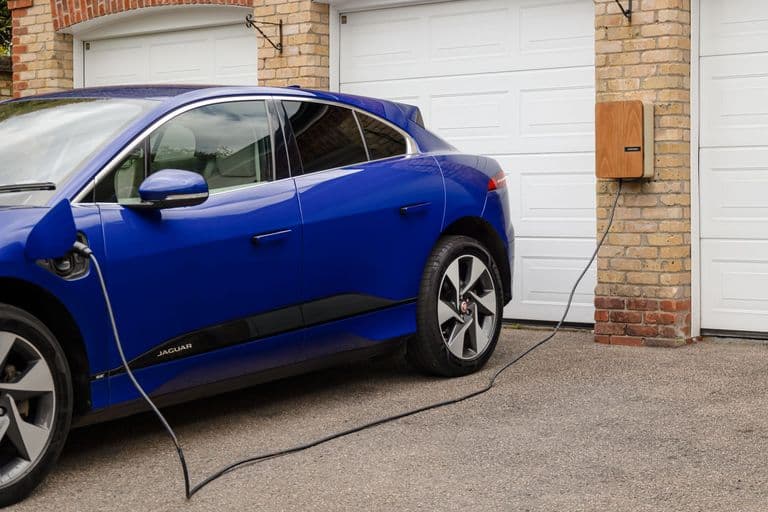
EV in Winter: Range Loss, Home Charging and Preheating
Cold weather can noticeably shrink an electric car's range, as sluggish battery chemistry and cabin heating both draw on the same pack. Preconditioning while plugged in, gentle overnight AC charging and smart timing in a solar-equipped home recover much of that loss. Here is what to expect and how to fit your EV into your home energy setup.
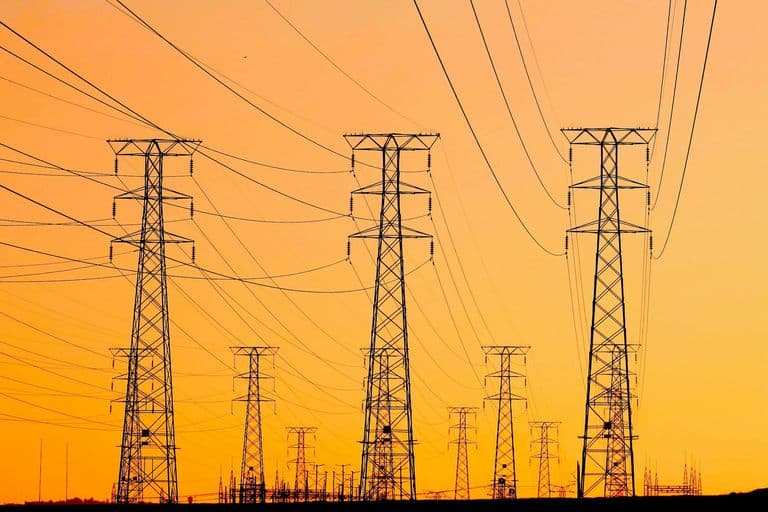
Dutch grid jams force homeowners to delay heat pumps and EV chargers
Thousands of Dutch homeowners are being told to put their heat pump installations and EV charging plans on hold as electricity grid congestion reaches critical levels. The Dutch case is a warning signal for the rest of Europe about the limits of aging grid infrastructure.
GM bets on sodium-ion storage and V2G at home
At its June 2026 Empower event in San Francisco, GM announced US-developed sodium-ion grid-scale battery storage and software-enabled V2G for existing EV owners — two moves that could reshape how homes and grids store renewable energy.
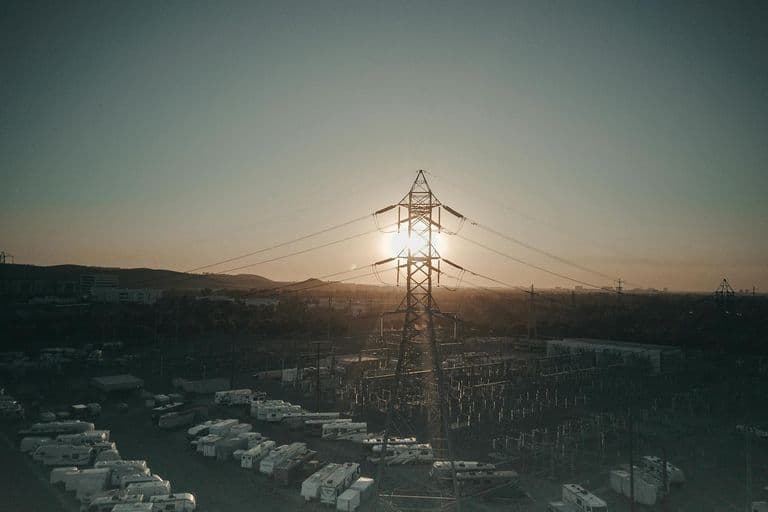
150 Power Plants: The Hidden Grid Cost of Weakening EU EV Targets
Scaling back the EU's electric vehicle targets could force Europe to build the equivalent of 150 new power plants just to keep the electricity grid balanced. EVs aren't just cars — as mobile battery storage, they are a critical and low-cost tool for integrating solar and wind energy into the grid.
Comments
0 commentsBe the first to comment.