
On a recent episode of the This Week in Cleantech podcast, Bianca Giacobone of Latitude Media broke down how Iran's military strikes on aluminum smelters in the United Arab Emirates and Bahrain sent shockwaves through global commodity markets. The targeted facilities are among the most significant industrial aluminum producers in the Middle East.
The attacks drove aluminum prices up by 11%, reaching their highest point since Russia launched its full-scale invasion of Ukraine in February 2022. That earlier price spike had already highlighted how geopolitical disruptions could rapidly destabilize commodity markets that underpin the clean energy transition.
Aluminum is a critical material for renewable energy infrastructure — used in solar panel frames, wind turbine components, power transmission lines, and battery enclosures. A sustained price increase at this level could raise the cost of new solar and wind installations, potentially slowing deployment timelines across the US and European markets.
The episode underscores a broader challenge for the energy transition: clean technology supply chains are not immune to geopolitical shocks. As policymakers push for faster electrification, securing stable and affordable access to key industrial materials like aluminum is becoming a strategic priority.
Source: Why the effects on the Iran conflict will be felt on the US grid – This Week in Cleantech - Renewable Energy World· Based on source, with AI-assisted rewriting.
Related articles
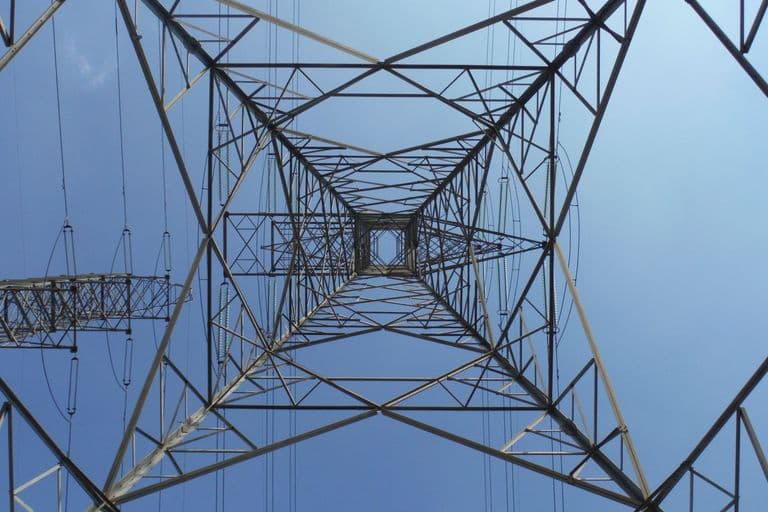
Why broadband communication is the backbone of grid modernization
The Utility Broadband Alliance (UBBA) has welcomed Eversource Energy and Hawaiian Electric as new members, underlining a growing consensus: without robust communication infrastructure, modern grids cannot reliably integrate solar, storage and other distributed energy resources.
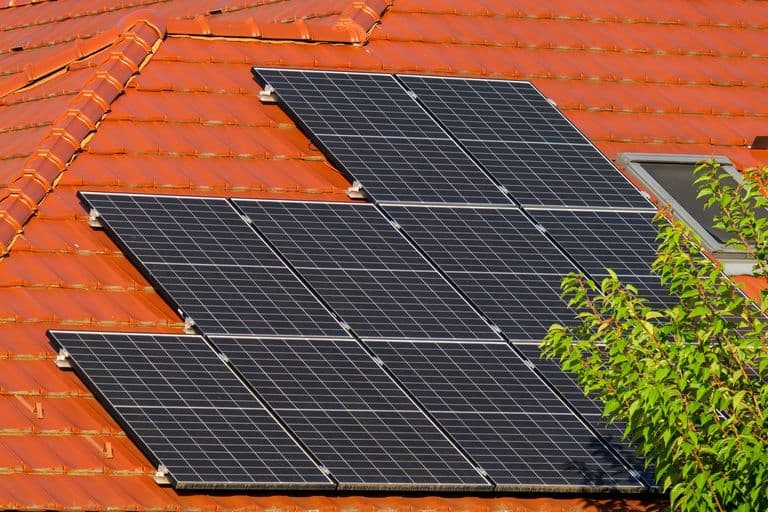
Jackery Solar Roof & SolarVault 3: integrated home energy storage debuts
Jackery unveiled its Solar Roof system and SolarVault 3 home battery storage during a media tour at its Shenzhen headquarters. The integrated solution targets self-consumption — a key metric for European homeowners looking to cut grid dependency.
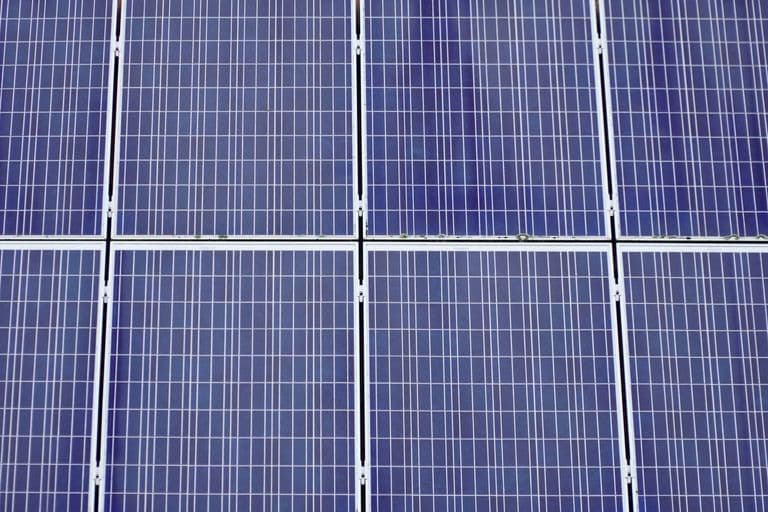
Solar PV in Winter: How to Harden Your System for Resilience
The U.S. Department of Energy has published guidance on hardening solar photovoltaic systems against winter weather. The findings are broadly relevant for homeowners and installers across Europe facing snow loads, freezing temperatures, and reduced winter irradiance.
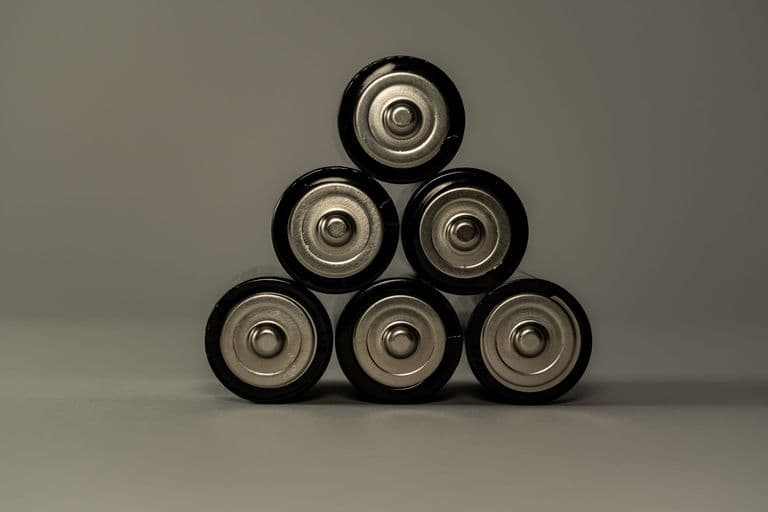
GM to Build Sodium-Ion Cells for Grid-Scale Battery Storage
General Motors and sodium-ion startup Peak Energy have announced a partnership to develop and manufacture sodium-ion battery cells for grid storage applications. GM will handle cell development and retain exclusive manufacturing rights at its Michigan labs, while Peak Energy integrates the cells into its proprietary BESS systems.
Comments
0 commentsBe the first to comment.