
The U.S. District Court for the Southern District of West Virginia ruled in favor of environmental groups Coal River Mountain Watch, the West Virginia Highlands Conservancy, Appalachian Voices, and Sierra Club. The court blocked the U.S. Army Corps of Engineers from granting a Clean Water Act permit that would have allowed mountaintop removal mining operations on Coal River Mountain in West Virginia.
Mountaintop removal is a highly destructive form of surface coal mining in which the tops of mountains are blasted away to expose underlying coal seams. The process causes severe damage to local waterways, ecosystems, and nearby communities, and has long been a flashpoint in debates over fossil fuel extraction in the Appalachian region of the United States.
The Clean Water Act regulates the discharge of pollutants into U.S. waters and requires permits for activities that may affect waterways. By invalidating the Corps' permit decision, the court has set a potentially significant precedent for future mining permit challenges across the country.
The ruling is also symbolically relevant in the context of the global energy transition. As coal's role in the energy mix continues to shrink in favor of renewables such as solar and wind, legal decisions like this one may accelerate the shift away from fossil fuel extraction in regions historically dependent on the coal industry.
Source: Judge Blocks Clean Water Act Permit for Mountaintop Removal Mine on Coal River Mountain - CleanTechnica· Based on source, with AI-assisted rewriting.
Related articles
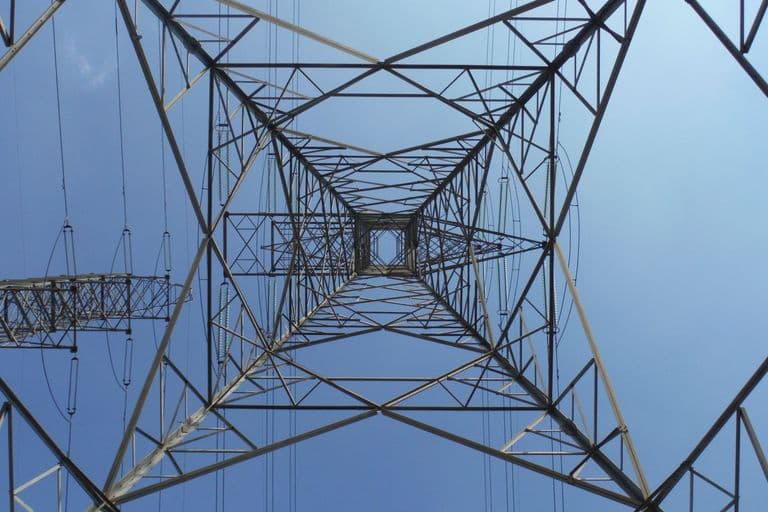
Why broadband communication is the backbone of grid modernization
The Utility Broadband Alliance (UBBA) has welcomed Eversource Energy and Hawaiian Electric as new members, underlining a growing consensus: without robust communication infrastructure, modern grids cannot reliably integrate solar, storage and other distributed energy resources.
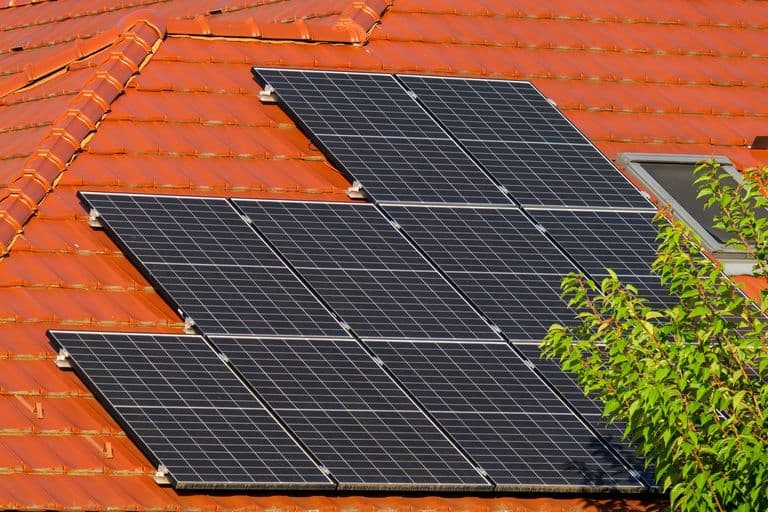
Jackery Solar Roof & SolarVault 3: integrated home energy storage debuts
Jackery unveiled its Solar Roof system and SolarVault 3 home battery storage during a media tour at its Shenzhen headquarters. The integrated solution targets self-consumption — a key metric for European homeowners looking to cut grid dependency.
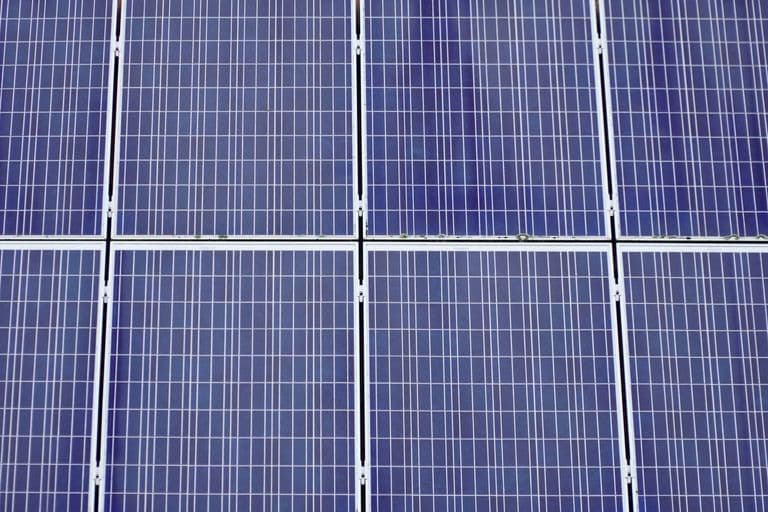
Solar PV in Winter: How to Harden Your System for Resilience
The U.S. Department of Energy has published guidance on hardening solar photovoltaic systems against winter weather. The findings are broadly relevant for homeowners and installers across Europe facing snow loads, freezing temperatures, and reduced winter irradiance.
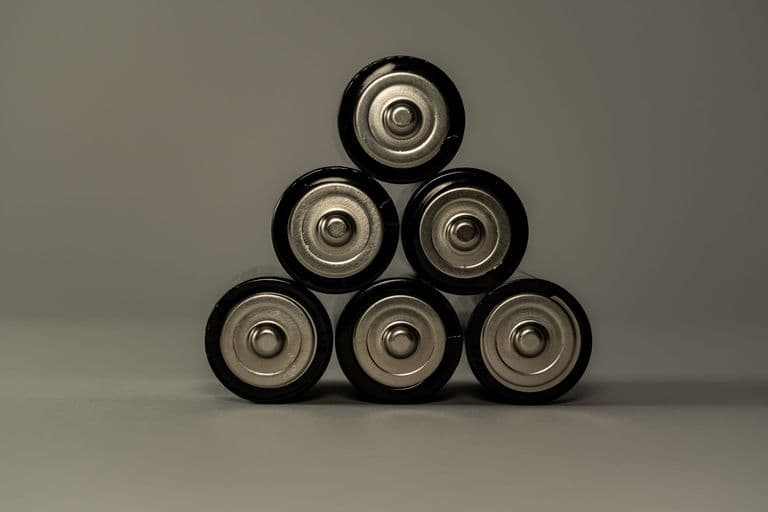
GM to Build Sodium-Ion Cells for Grid-Scale Battery Storage
General Motors and sodium-ion startup Peak Energy have announced a partnership to develop and manufacture sodium-ion battery cells for grid storage applications. GM will handle cell development and retain exclusive manufacturing rights at its Michigan labs, while Peak Energy integrates the cells into its proprietary BESS systems.
Comments
0 commentsBe the first to comment.