
Germany's federal government has officially reopened its electric vehicle purchase subsidy scheme. As of May 2025, buyers can submit applications immediately, with the programme running until 2029 and backed by a €3 billion budget.
The fund is designed to support the purchase of approximately 800,000 vehicles, covering battery electric vehicles (BEVs), plug-in hybrids (PHEVs), and range extender models. This broader eligibility marks a notable shift compared to the previous programme, which was more narrowly focused on pure EVs before it was abruptly cancelled in late 2023.
The relaunch comes at a strategically important moment: European EV sales growth has slowed, and several EU governments are competing to keep consumer demand alive. Germany's move could signal a broader trend of renewed public investment in the energy transition for personal transport.
Prospective applicants are advised to act promptly, as the €3 billion envelope is finite. Full details on eligibility criteria and the application process are available through the official German federal authority handling the programme.
Source: Anträge für neue E-Auto-Förderung ab sofort möglich – hier sind alle Infos zum Start - Electrive (DE)· Based on source, with AI-assisted rewriting.
Related articles
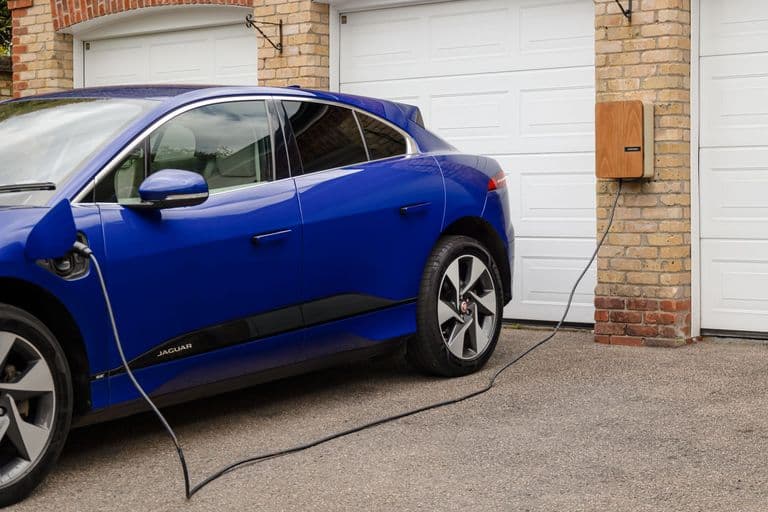
EV in Winter: Range Loss, Home Charging and Preheating
Cold weather can noticeably shrink an electric car's range, as sluggish battery chemistry and cabin heating both draw on the same pack. Preconditioning while plugged in, gentle overnight AC charging and smart timing in a solar-equipped home recover much of that loss. Here is what to expect and how to fit your EV into your home energy setup.
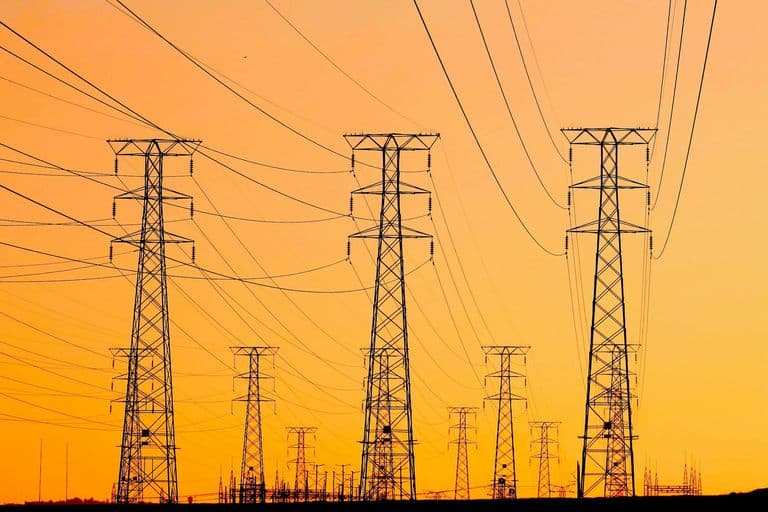
Dutch grid jams force homeowners to delay heat pumps and EV chargers
Thousands of Dutch homeowners are being told to put their heat pump installations and EV charging plans on hold as electricity grid congestion reaches critical levels. The Dutch case is a warning signal for the rest of Europe about the limits of aging grid infrastructure.
GM bets on sodium-ion storage and V2G at home
At its June 2026 Empower event in San Francisco, GM announced US-developed sodium-ion grid-scale battery storage and software-enabled V2G for existing EV owners — two moves that could reshape how homes and grids store renewable energy.

150 Power Plants: The Hidden Grid Cost of Weakening EU EV Targets
Scaling back the EU's electric vehicle targets could force Europe to build the equivalent of 150 new power plants just to keep the electricity grid balanced. EVs aren't just cars — as mobile battery storage, they are a critical and low-cost tool for integrating solar and wind energy into the grid.
Comments
0 commentsBe the first to comment.