
Germany has officially launched applications for a new state-backed electric vehicle support scheme. The programme is funded with a €3 billion budget and is designed to help approximately 800,000 battery-electric vehicles, plug-in hybrids and range extenders reach the road by 2029.
Unlike the previous flat-rate Umweltbonus — which was abruptly discontinued at the end of 2023 — the new scheme uses an income-based approach. Eligible buyers can receive grants of up to €6,000 per vehicle, with lower-income households expected to qualify for higher amounts.
The relaunch of EV incentives in Germany is significant for the broader European market. As the continent's largest auto market, German consumer demand has a direct impact on EV sales figures across the EU, and the country's renewed commitment to demand-side support may help reverse the slowdown in EV adoption seen in 2024.
Applicants are advised to act promptly: while the scheme runs until 2029 in principle, the €3 billion pot could be exhausted earlier if demand is strong. Full details on eligibility criteria and the application process are expected to be published through official government channels.
Source: Germany opens applications for new EV subsidy scheme - Electrive (EN)· Based on source, with AI-assisted rewriting.
Related articles
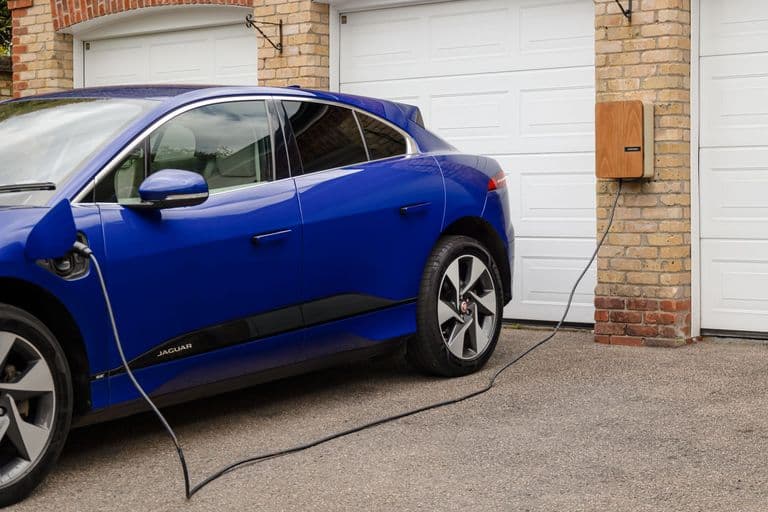
EV in Winter: Range Loss, Home Charging and Preheating
Cold weather can noticeably shrink an electric car's range, as sluggish battery chemistry and cabin heating both draw on the same pack. Preconditioning while plugged in, gentle overnight AC charging and smart timing in a solar-equipped home recover much of that loss. Here is what to expect and how to fit your EV into your home energy setup.
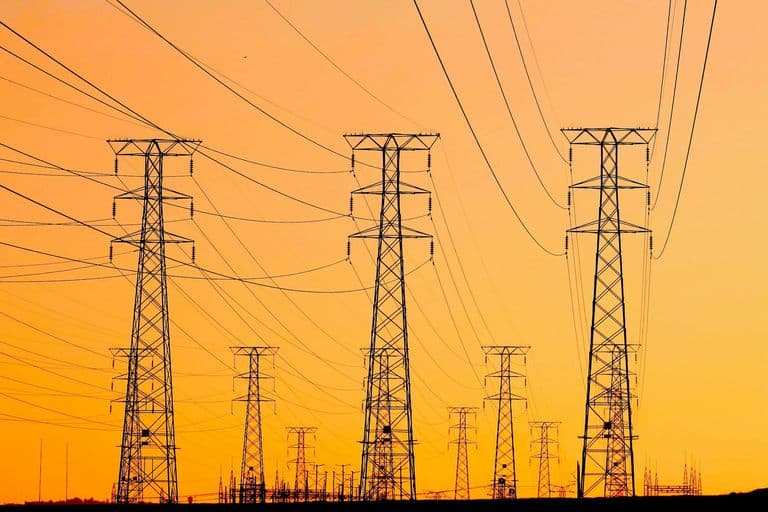
Dutch grid jams force homeowners to delay heat pumps and EV chargers
Thousands of Dutch homeowners are being told to put their heat pump installations and EV charging plans on hold as electricity grid congestion reaches critical levels. The Dutch case is a warning signal for the rest of Europe about the limits of aging grid infrastructure.
GM bets on sodium-ion storage and V2G at home
At its June 2026 Empower event in San Francisco, GM announced US-developed sodium-ion grid-scale battery storage and software-enabled V2G for existing EV owners — two moves that could reshape how homes and grids store renewable energy.

150 Power Plants: The Hidden Grid Cost of Weakening EU EV Targets
Scaling back the EU's electric vehicle targets could force Europe to build the equivalent of 150 new power plants just to keep the electricity grid balanced. EVs aren't just cars — as mobile battery storage, they are a critical and low-cost tool for integrating solar and wind energy into the grid.
Comments
0 commentsBe the first to comment.