
Sungrow, best known as one of the world's largest solar inverter manufacturers, is now aggressively expanding into the European EV charging market. The company's product range spans from standard AC wallboxes for homes and businesses all the way to megawatt-class satellite charging systems designed for large logistics hubs, fleet depots, and commercial sites.
In a recent interview with Electrive, Christos Tsegkis, Regional Manager EV Charging at Sungrow Europe, outlined why the integrated combination of photovoltaic generation, battery storage, and EV charging is particularly attractive. By pairing on-site solar production with a buffer battery, operators can reduce peak grid demand, lower electricity costs, and maximize renewable self-consumption — all while offering reliable EV charging.
The satellite charging architecture is especially noteworthy for sites where grid connection capacity is limited. Instead of requiring costly grid upgrades, the system draws on stored solar energy to deliver high-power charging on demand — a practical solution being explored across Europe as EV adoption accelerates.
With the EU's 2035 phase-out of new combustion engine cars drawing closer, demand for public and semi-public charging infrastructure is set to surge dramatically. Sungrow's entry into this space adds competitive pressure on established players and could help drive down system costs — a win for operators, businesses, and EV drivers alike across Europe and globally.
Source: Sungrow Expert Christos Tsegkis: “The combination of PV, storage, and charging is highly attractive” - Electrive (EN)· Based on source, with AI-assisted rewriting.
Related articles
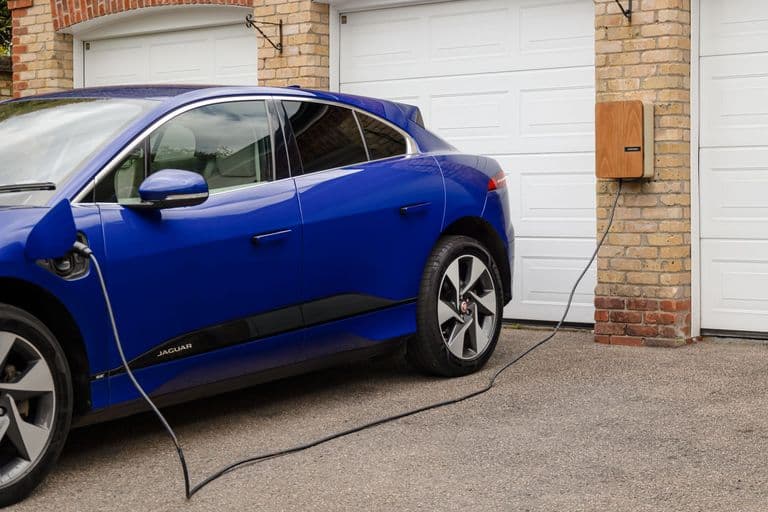
EV in Winter: Range Loss, Home Charging and Preheating
Cold weather can noticeably shrink an electric car's range, as sluggish battery chemistry and cabin heating both draw on the same pack. Preconditioning while plugged in, gentle overnight AC charging and smart timing in a solar-equipped home recover much of that loss. Here is what to expect and how to fit your EV into your home energy setup.

Battery storage booms, but Australia's grid edge lags behind
Australia's Cheaper Home Batteries Program has added 10.7 GWh of distributed storage to the grid, while EV sales surge to one in six new cars. Yet the country's biggest challenge is no longer on the supply side — it's the low-voltage distribution network that can't keep pace with simultaneous demand from EVs, home batteries and data centres.
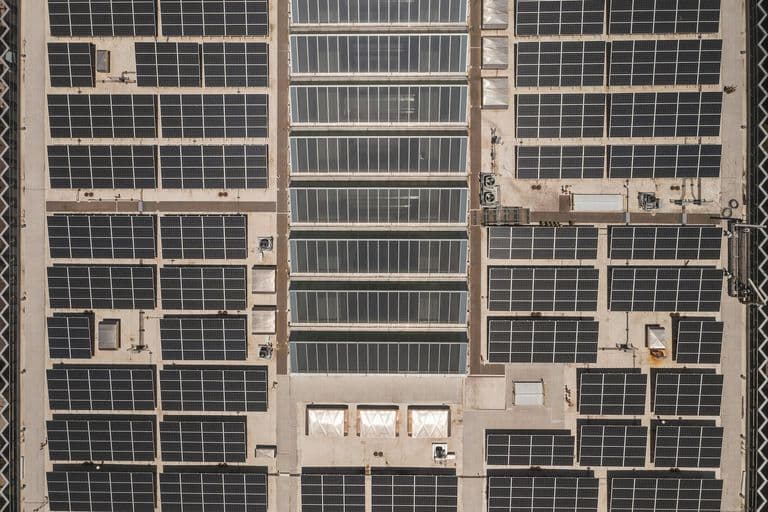
Dutch grid crisis: solar owners asked to cut output at peak times
The Netherlands is facing severe electricity grid congestion, with distributors Liander and Enexis calling on solar PV owners to temporarily reduce feed-in during peak hours. Around 7,300 customers are waiting for stronger grid connections, and new priority rules take effect in July 2026.
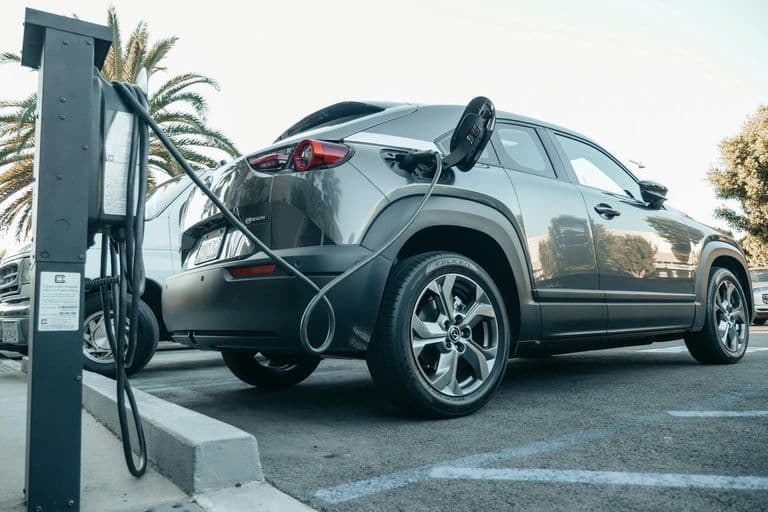
EV Charging Incentives for Apartment Buildings: Santa Barbara Shows the Way
Santa Barbara Clean Energy, a California-based Community Choice Aggregator, has launched new EV charging support and incentives specifically targeting multifamily residential properties. The program combines financial incentives with technical assistance to bring charging infrastructure to apartment buildings — a challenge many EV drivers in shared housing face globally.
Comments
0 commentsBe the first to comment.