
For over a decade, Tesla has marketed its vehicles with bold promises of full self-driving capability, claiming every car it produced contained the necessary hardware. The accompanying software, however, never fully materialized — and a growing number of owners are now seeking legal recourse to recover the money they paid for features that were never delivered.
The Court Ruling Against Tesla
Tesla Delayed Payment for Months
The case raises broader questions about accountability in the electric vehicle industry. Automakers increasingly sell software-based features on a promise of future delivery, but cases like this demonstrate that consumers have legal tools available when those promises are not kept. In the EU, consumer protection regulations — including the Sale of Goods Directive — may offer even stronger grounds for similar claims.
Tesla's FSD package is still available as a subscription or one-time purchase. The Gawiser case is a reminder that marketing claims about autonomous driving technology carry real legal weight, and that owners who feel misled do have options.
Source: This Tesla owner won $10k in court for Tesla’s FSD lies (Updated) - Electrek· Based on source, with AI-assisted rewriting.
Related articles
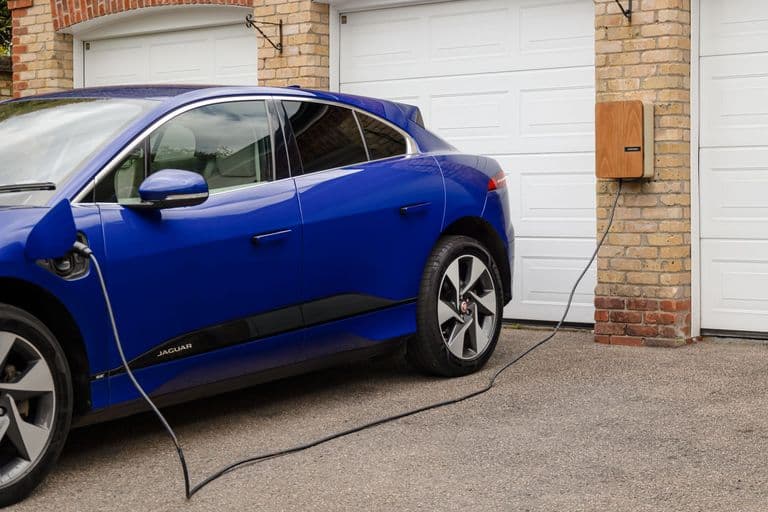
EV in Winter: Range Loss, Home Charging and Preheating
Cold weather can noticeably shrink an electric car's range, as sluggish battery chemistry and cabin heating both draw on the same pack. Preconditioning while plugged in, gentle overnight AC charging and smart timing in a solar-equipped home recover much of that loss. Here is what to expect and how to fit your EV into your home energy setup.
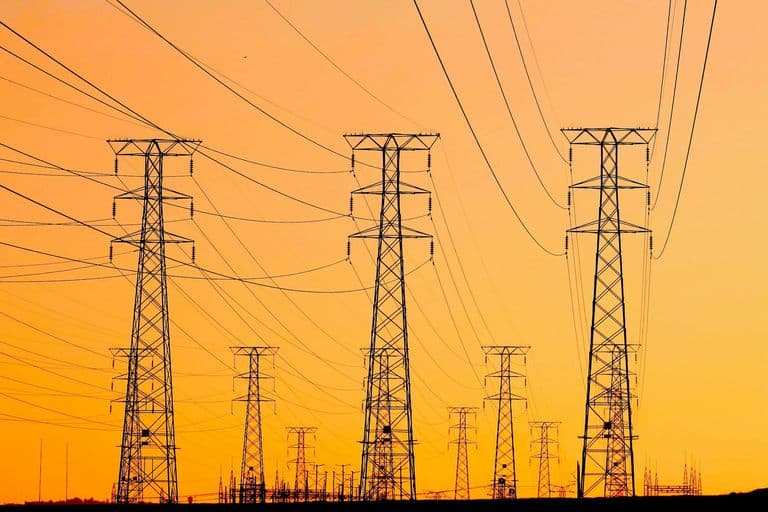
Dutch grid jams force homeowners to delay heat pumps and EV chargers
Thousands of Dutch homeowners are being told to put their heat pump installations and EV charging plans on hold as electricity grid congestion reaches critical levels. The Dutch case is a warning signal for the rest of Europe about the limits of aging grid infrastructure.
GM bets on sodium-ion storage and V2G at home
At its June 2026 Empower event in San Francisco, GM announced US-developed sodium-ion grid-scale battery storage and software-enabled V2G for existing EV owners — two moves that could reshape how homes and grids store renewable energy.
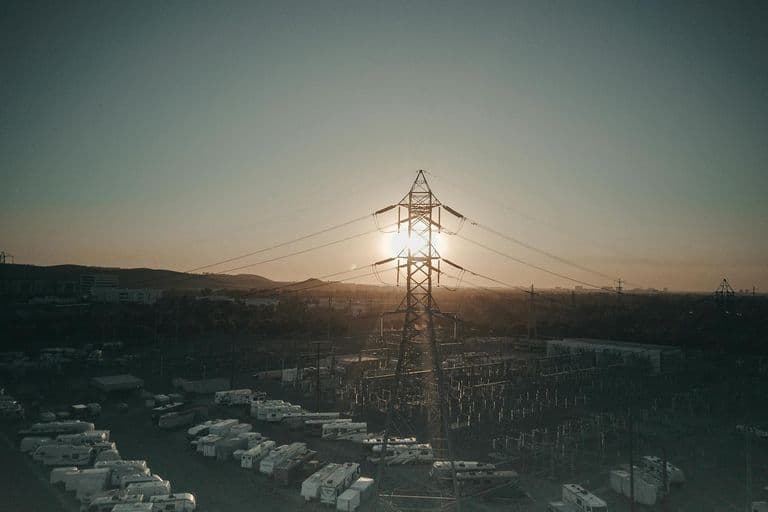
150 Power Plants: The Hidden Grid Cost of Weakening EU EV Targets
Scaling back the EU's electric vehicle targets could force Europe to build the equivalent of 150 new power plants just to keep the electricity grid balanced. EVs aren't just cars — as mobile battery storage, they are a critical and low-cost tool for integrating solar and wind energy into the grid.
Comments
0 commentsBe the first to comment.