
Tesla has started rolling out FSD V14.3.3 (software version 2026.14.6.6), bringing a notable change to its Actually Smart Summon feature. The maximum speed at which the car can autonomously navigate a parking lot to reach its owner has been increased from 6 mph to 8 mph — a one-third improvement that should make the feature feel a bit more responsive in everyday use.
Actually Smart Summon allows Tesla owners to call their vehicle to their location via the mobile app, without being physically present in or near the car. While 8 mph is still a very modest pace — roughly equivalent to a brisk jog — the improvement reduces waiting time and makes the feature more practical in larger parking facilities.
Beyond the Summon speed bump, the update carries a more architecturally significant change: it's the first time Tesla has merged the Spring 2026 general software feature set with the FSD branch. This convergence suggests Tesla is working toward a more unified software platform, which could streamline future development and reduce the complexity of maintaining separate code branches.
The update arrives over-the-air, meaning eligible Tesla owners worldwide receive it without a service visit. As Tesla continues iterating on FSD — now on version 14 — these incremental improvements reflect the company's ongoing push to make its autonomous driving suite more capable and commercially viable across global markets.
Source: Tesla increases Actually Smart Summon speed by 33% in new FSD update - Electrek· Based on source, with AI-assisted rewriting.
Related articles
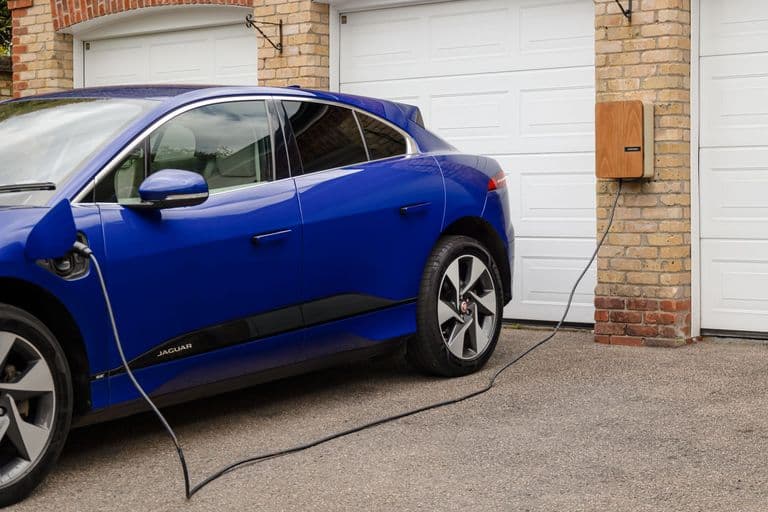
EV in Winter: Range Loss, Home Charging and Preheating
Cold weather can noticeably shrink an electric car's range, as sluggish battery chemistry and cabin heating both draw on the same pack. Preconditioning while plugged in, gentle overnight AC charging and smart timing in a solar-equipped home recover much of that loss. Here is what to expect and how to fit your EV into your home energy setup.
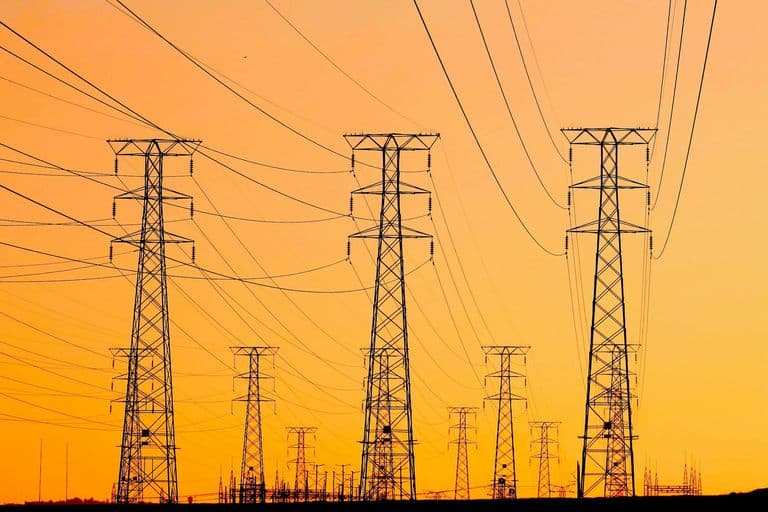
Dutch grid jams force homeowners to delay heat pumps and EV chargers
Thousands of Dutch homeowners are being told to put their heat pump installations and EV charging plans on hold as electricity grid congestion reaches critical levels. The Dutch case is a warning signal for the rest of Europe about the limits of aging grid infrastructure.
GM bets on sodium-ion storage and V2G at home
At its June 2026 Empower event in San Francisco, GM announced US-developed sodium-ion grid-scale battery storage and software-enabled V2G for existing EV owners — two moves that could reshape how homes and grids store renewable energy.

150 Power Plants: The Hidden Grid Cost of Weakening EU EV Targets
Scaling back the EU's electric vehicle targets could force Europe to build the equivalent of 150 new power plants just to keep the electricity grid balanced. EVs aren't just cars — as mobile battery storage, they are a critical and low-cost tool for integrating solar and wind energy into the grid.
Comments
0 commentsBe the first to comment.