
Tesla's bet on more affordable electric vehicle variants appears to be paying off: European registration figures have climbed again following the introduction of the lower-priced Model Y and Model 3 versions. The market has responded positively to the repositioning, suggesting price sensitivity remains a key barrier to EV adoption across the continent.
The entry-level Model Y, however, is a noticeably different proposition from its pricier siblings. Tesla has made targeted reductions in materials, features, and interior finishing to hit the lower price point — changes that are subtle in isolation but collectively shape the ownership experience in meaningful ways.
For international buyers, the base Model Y still represents a competitive offer in the C-SUV segment, sitting alongside rivals from Volkswagen, Hyundai, and BYD. The question is whether the cost-cutting measures affect the areas that EV drivers care about most: range, charging speed, and everyday usability.
The verdict is cautiously positive. The entry-level Model Y retains the core strengths that made the nameplate a bestseller, while the compromises are real but manageable for most buyers. Tesla appears to have found a workable balance — though not without some trade-offs that daily drivers will notice.
Source: Testing the entry-level Model Y: Where and how Tesla stripped back its bestseller - Electrive (EN)· Based on source, with AI-assisted rewriting.
Related articles
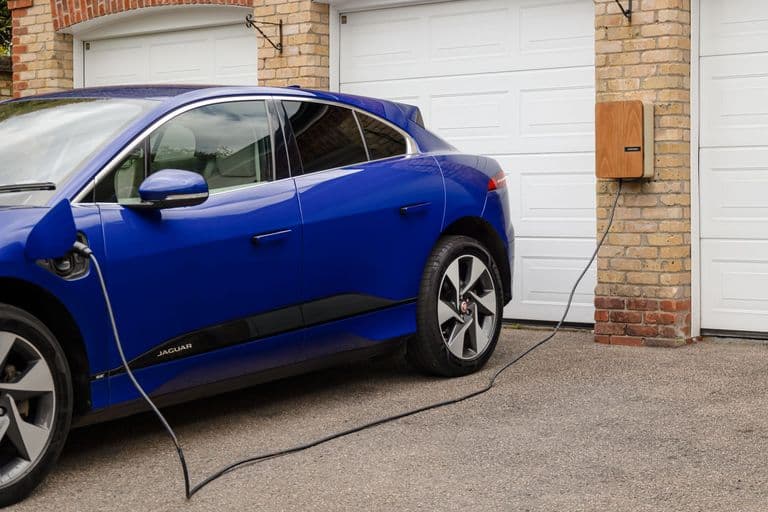
EV in Winter: Range Loss, Home Charging and Preheating
Cold weather can noticeably shrink an electric car's range, as sluggish battery chemistry and cabin heating both draw on the same pack. Preconditioning while plugged in, gentle overnight AC charging and smart timing in a solar-equipped home recover much of that loss. Here is what to expect and how to fit your EV into your home energy setup.
Dutch grid jams force homeowners to delay heat pumps and EV chargers
Thousands of Dutch homeowners are being told to put their heat pump installations and EV charging plans on hold as electricity grid congestion reaches critical levels. The Dutch case is a warning signal for the rest of Europe about the limits of aging grid infrastructure.
GM bets on sodium-ion storage and V2G at home
At its June 2026 Empower event in San Francisco, GM announced US-developed sodium-ion grid-scale battery storage and software-enabled V2G for existing EV owners — two moves that could reshape how homes and grids store renewable energy.

150 Power Plants: The Hidden Grid Cost of Weakening EU EV Targets
Scaling back the EU's electric vehicle targets could force Europe to build the equivalent of 150 new power plants just to keep the electricity grid balanced. EVs aren't just cars — as mobile battery storage, they are a critical and low-cost tool for integrating solar and wind energy into the grid.
Comments
0 commentsBe the first to comment.