
Texas, one of the largest US states by both area and freight traffic, is advancing plans to expand its electric vehicle charging infrastructure — covering not only passenger EVs but also heavy-duty commercial trucks, commonly known as 'big rigs.' This marks a notable shift in how one of America's most road-dependent states is approaching transportation electrification.
The inclusion of big rig charging is particularly significant. Long-haul trucks consume far more energy than passenger vehicles and require high-power charging solutions that standard EV stations cannot provide. Dedicated truck charging corridors along major freight routes are central to the Texas initiative.
From an international perspective, this move aligns with a growing global trend: the EU, for instance, has set binding targets for alternative fuel infrastructure along its core road network under the AFIR regulation, requiring heavy-duty charging points at regular intervals on major highways by 2025–2030.
Texas's example underscores that scaling up EV charging — especially for commercial fleets — requires coordinated state-level planning, significant capital investment, and clear regulatory frameworks. Markets worldwide are watching such large-scale rollouts closely as blueprints for their own electrification efforts.
Source: Texas Moves Forward on Electric Vehicle, Big Rig Charging - govtech.com - Google News — EV· Based on source, with AI-assisted rewriting.
Related articles
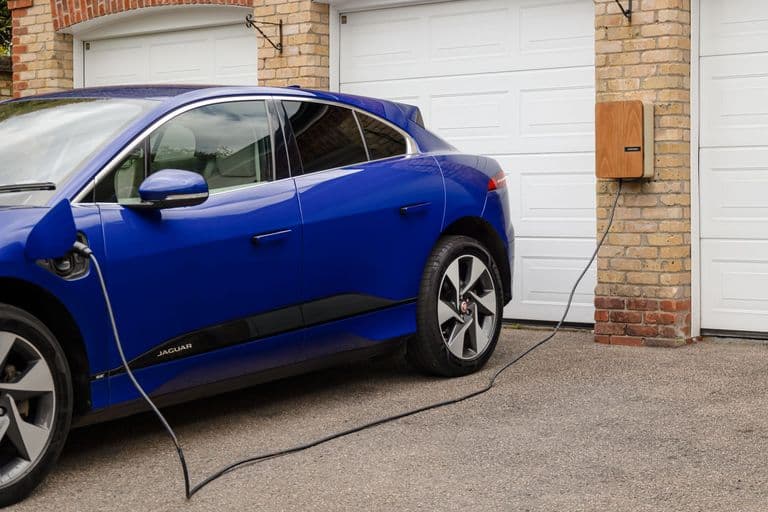
EV in Winter: Range Loss, Home Charging and Preheating
Cold weather can noticeably shrink an electric car's range, as sluggish battery chemistry and cabin heating both draw on the same pack. Preconditioning while plugged in, gentle overnight AC charging and smart timing in a solar-equipped home recover much of that loss. Here is what to expect and how to fit your EV into your home energy setup.

Battery storage booms, but Australia's grid edge lags behind
Australia's Cheaper Home Batteries Program has added 10.7 GWh of distributed storage to the grid, while EV sales surge to one in six new cars. Yet the country's biggest challenge is no longer on the supply side — it's the low-voltage distribution network that can't keep pace with simultaneous demand from EVs, home batteries and data centres.
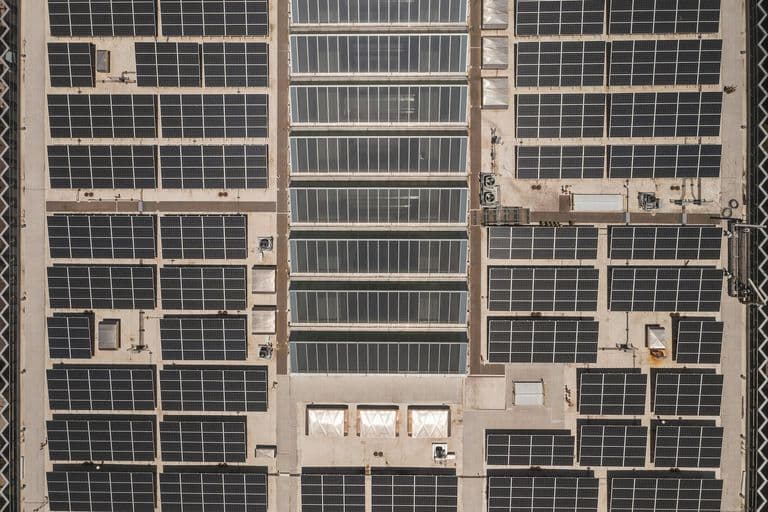
Dutch grid crisis: solar owners asked to cut output at peak times
The Netherlands is facing severe electricity grid congestion, with distributors Liander and Enexis calling on solar PV owners to temporarily reduce feed-in during peak hours. Around 7,300 customers are waiting for stronger grid connections, and new priority rules take effect in July 2026.
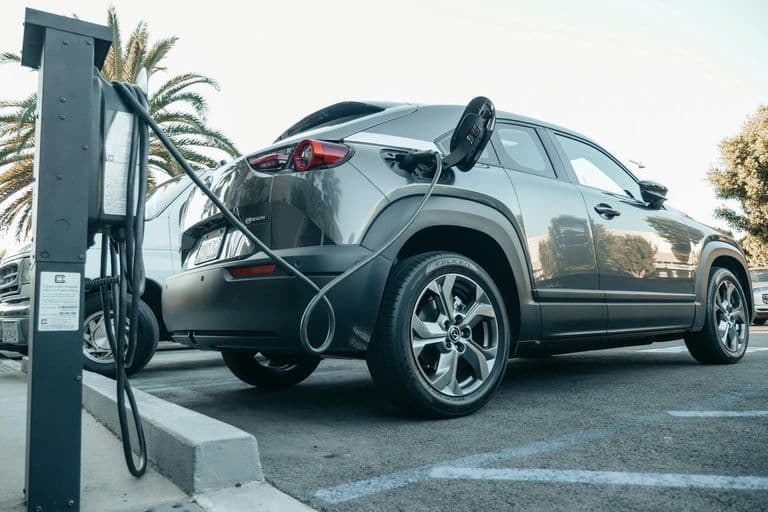
EV Charging Incentives for Apartment Buildings: Santa Barbara Shows the Way
Santa Barbara Clean Energy, a California-based Community Choice Aggregator, has launched new EV charging support and incentives specifically targeting multifamily residential properties. The program combines financial incentives with technical assistance to bring charging infrastructure to apartment buildings — a challenge many EV drivers in shared housing face globally.
Comments
0 commentsBe the first to comment.