
The U.S. Department of Energy (DOE) has published an updated collection of charts and statistics under its EVGrid Assist initiative, a tool designed to help stakeholders understand how growing EV adoption affects electricity grids. The freely accessible resource covers topics ranging from peak charging demand to renewable energy integration opportunities.
One of the central findings illustrated by the data is that simultaneous evening charging by commuters creates significant load spikes on distribution networks. This challenge is not unique to the United States — European grid operators and EV charging network developers face the same issue as EV penetration rates climb across the continent.
The EVGrid Assist visualizations also highlight the potential of smart charging and vehicle-to-grid (V2G) technologies to flatten demand curves. By shifting charging sessions to off-peak hours or using EVs as distributed storage assets, grid stress can be significantly reduced without major infrastructure investment.
For international readers, the DOE data serves as a useful benchmark: the EU's Alternative Fuels Infrastructure Regulation (AFIR) mandates rapid expansion of public charging networks across member states, and tools like EVGrid Assist can inform similar planning efforts in Europe and beyond. The open-access dataset is available on the official DOE website.
Source: EVGrid Assist: Charts and Figures - Department of Energy (.gov) - Google News — EV· Based on source, with AI-assisted rewriting.
Related articles
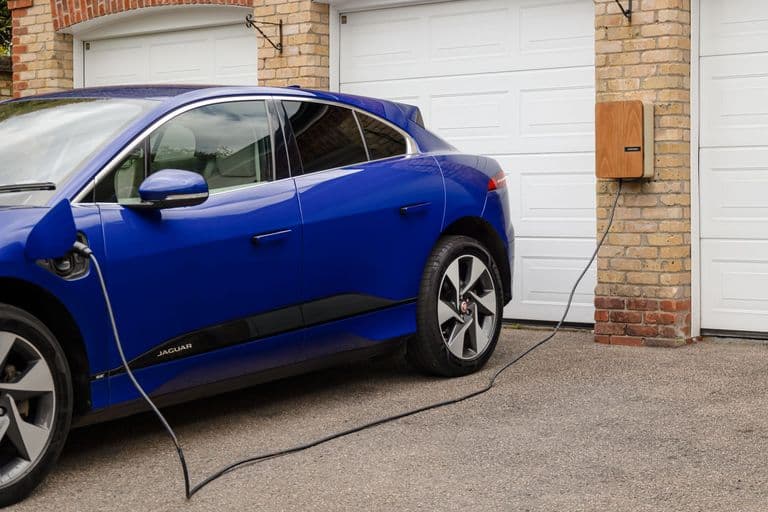
EV in Winter: Range Loss, Home Charging and Preheating
Cold weather can noticeably shrink an electric car's range, as sluggish battery chemistry and cabin heating both draw on the same pack. Preconditioning while plugged in, gentle overnight AC charging and smart timing in a solar-equipped home recover much of that loss. Here is what to expect and how to fit your EV into your home energy setup.

Battery storage booms, but Australia's grid edge lags behind
Australia's Cheaper Home Batteries Program has added 10.7 GWh of distributed storage to the grid, while EV sales surge to one in six new cars. Yet the country's biggest challenge is no longer on the supply side — it's the low-voltage distribution network that can't keep pace with simultaneous demand from EVs, home batteries and data centres.
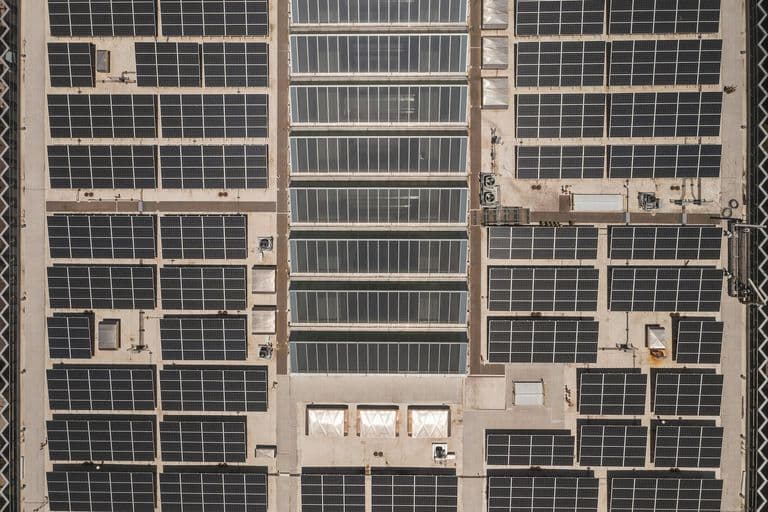
Dutch grid crisis: solar owners asked to cut output at peak times
The Netherlands is facing severe electricity grid congestion, with distributors Liander and Enexis calling on solar PV owners to temporarily reduce feed-in during peak hours. Around 7,300 customers are waiting for stronger grid connections, and new priority rules take effect in July 2026.
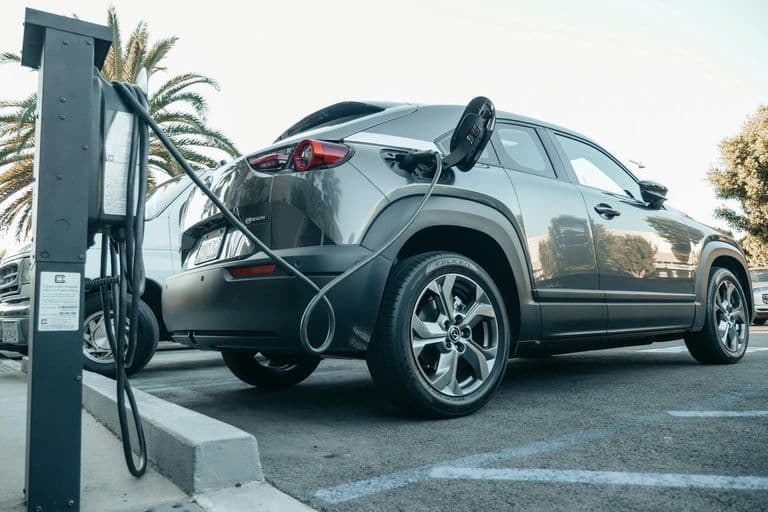
EV Charging Incentives for Apartment Buildings: Santa Barbara Shows the Way
Santa Barbara Clean Energy, a California-based Community Choice Aggregator, has launched new EV charging support and incentives specifically targeting multifamily residential properties. The program combines financial incentives with technical assistance to bring charging infrastructure to apartment buildings — a challenge many EV drivers in shared housing face globally.
Comments
0 commentsBe the first to comment.