
The Sierra Club has released a new assessment of state-level progress on electric vehicle charging infrastructure across the United States. The findings paint a cautiously optimistic picture: many states are adopting dedicated EV charging plans and increasing the number of publicly accessible chargers, signalling growing political and financial commitment to the energy transition.
However, the report is clear that momentum alone is not enough. Coverage remains highly uneven, with rural and lower-income communities still largely underserved. Fast-charging corridors along highways are expanding, but urban-rural disparities mirror challenges seen in Europe, including in countries like Hungary, where EV infrastructure is similarly concentrated in major cities.
Federal funding — most notably from the US Infrastructure Investment and Jobs Act — has been a critical driver of progress. Billions of dollars have been allocated specifically for EV charging networks under the National Electric Vehicle Infrastructure (NEVI) programme. Yet bureaucratic delays between funding approval and actual charger installation remain a persistent bottleneck.
For EVs to reach mass adoption, the Sierra Club argues that states must go beyond simply installing more chargers. Reliable uptime, interoperable payment systems, higher-power fast chargers, and accessible home and multi-unit dwelling charging solutions are all essential components of a truly functional network that serves all drivers equally.
Source: State Progress on EV Charging: Momentum Is Building, but the Job Is Far from Done - Sierra Club - Google News — EV· Based on source, with AI-assisted rewriting.
Related articles
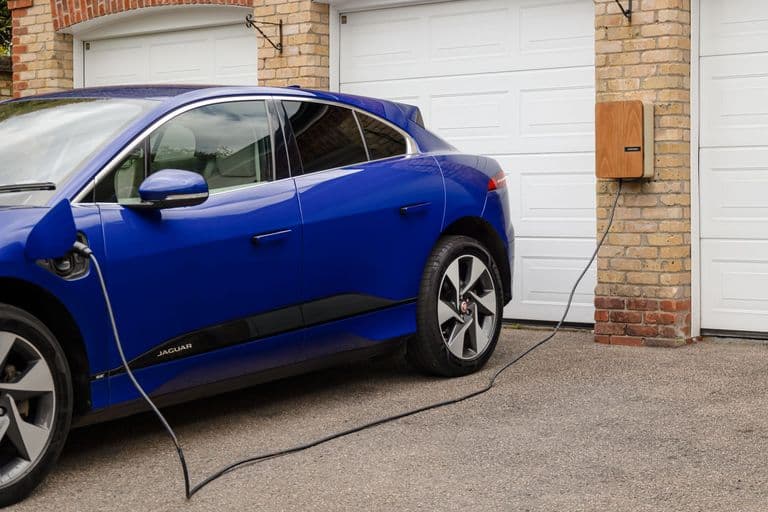
EV in Winter: Range Loss, Home Charging and Preheating
Cold weather can noticeably shrink an electric car's range, as sluggish battery chemistry and cabin heating both draw on the same pack. Preconditioning while plugged in, gentle overnight AC charging and smart timing in a solar-equipped home recover much of that loss. Here is what to expect and how to fit your EV into your home energy setup.
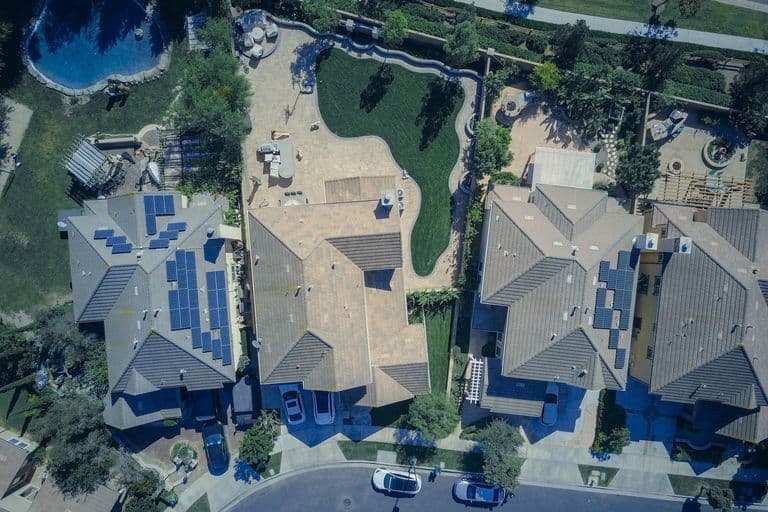
Battery storage booms, but Australia's grid edge lags behind
Australia's Cheaper Home Batteries Program has added 10.7 GWh of distributed storage to the grid, while EV sales surge to one in six new cars. Yet the country's biggest challenge is no longer on the supply side — it's the low-voltage distribution network that can't keep pace with simultaneous demand from EVs, home batteries and data centres.
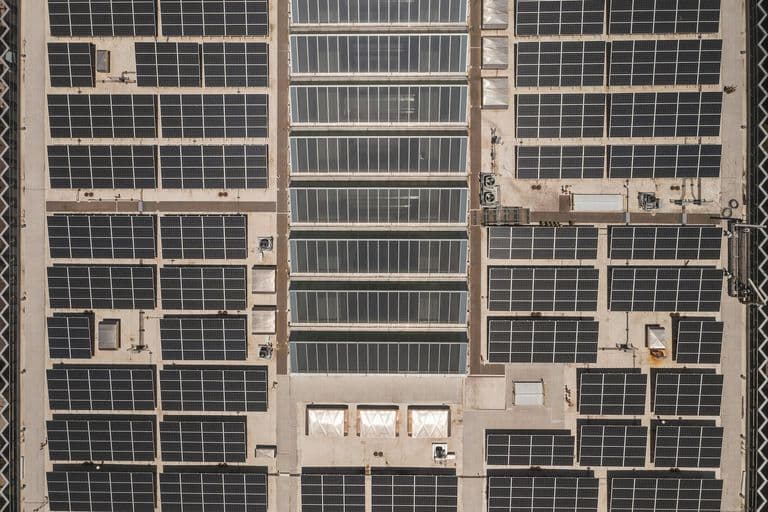
Dutch grid crisis: solar owners asked to cut output at peak times
The Netherlands is facing severe electricity grid congestion, with distributors Liander and Enexis calling on solar PV owners to temporarily reduce feed-in during peak hours. Around 7,300 customers are waiting for stronger grid connections, and new priority rules take effect in July 2026.
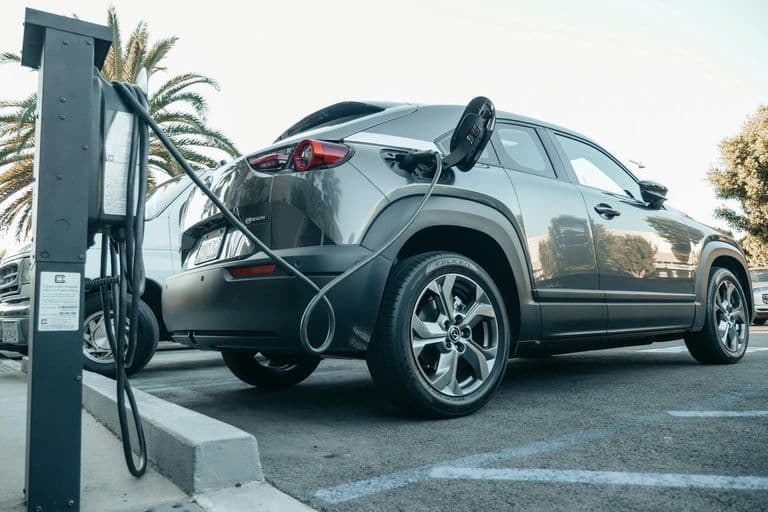
EV Charging Incentives for Apartment Buildings: Santa Barbara Shows the Way
Santa Barbara Clean Energy, a California-based Community Choice Aggregator, has launched new EV charging support and incentives specifically targeting multifamily residential properties. The program combines financial incentives with technical assistance to bring charging infrastructure to apartment buildings — a challenge many EV drivers in shared housing face globally.
Comments
0 commentsBe the first to comment.