
The US Department of Energy (DOE) runs one of the world's most comprehensive government programs dedicated to electric vehicles, covering everything from next-generation battery chemistry to the expansion of public charging networks. As a major funder of EV research, the DOE's work sets benchmarks that ripple across international markets.
On the battery side, the DOE is investing in higher energy density, lower-cost chemistries — including solid-state and lithium-iron-phosphate technologies — that could significantly reduce the sticker price of EVs over the coming decade. These advances are critical for mainstream EV adoption, especially in price-sensitive markets across Europe and Asia.
Charging infrastructure is another pillar of the DOE's strategy. The department supports the standardisation of fast-charging protocols and the rollout of smart, grid-integrated charging stations. Bidirectional (V2G) charging is increasingly on the agenda, enabling EVs to feed electricity back to the grid during peak demand — a concept gaining traction across the EU as well.
The intersection of EV batteries and stationary energy storage is a growing focus area. Second-life battery applications — repurposing used EV packs for grid storage — represent a circular-economy opportunity that both the US and Europe are keen to develop. The DOE's research output in this space will likely shape policy and investment decisions worldwide.
Source: Batteries, Charging, and Electric Vehicles - Department of Energy (.gov) - Google News — EV· Based on source, with AI-assisted rewriting.
Related articles
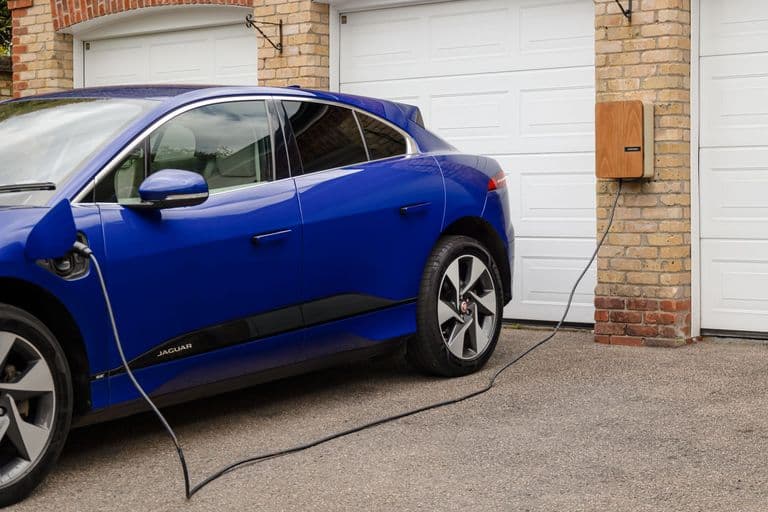
EV in Winter: Range Loss, Home Charging and Preheating
Cold weather can noticeably shrink an electric car's range, as sluggish battery chemistry and cabin heating both draw on the same pack. Preconditioning while plugged in, gentle overnight AC charging and smart timing in a solar-equipped home recover much of that loss. Here is what to expect and how to fit your EV into your home energy setup.
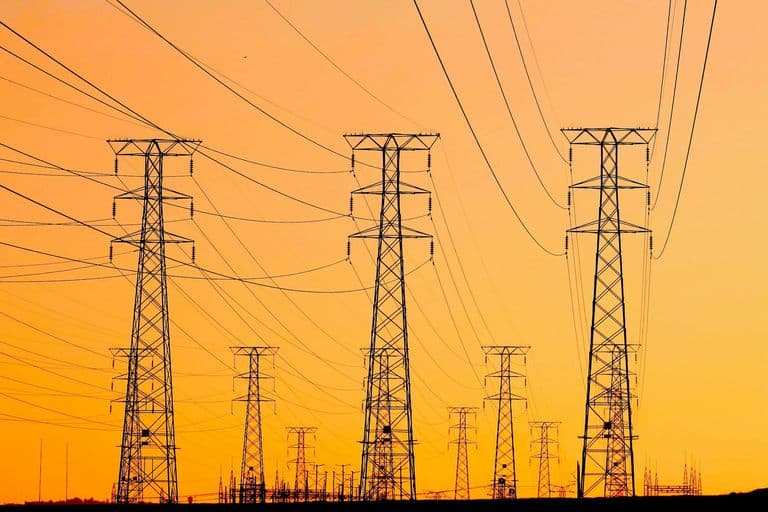
Dutch grid jams force homeowners to delay heat pumps and EV chargers
Thousands of Dutch homeowners are being told to put their heat pump installations and EV charging plans on hold as electricity grid congestion reaches critical levels. The Dutch case is a warning signal for the rest of Europe about the limits of aging grid infrastructure.
GM bets on sodium-ion storage and V2G at home
At its June 2026 Empower event in San Francisco, GM announced US-developed sodium-ion grid-scale battery storage and software-enabled V2G for existing EV owners — two moves that could reshape how homes and grids store renewable energy.
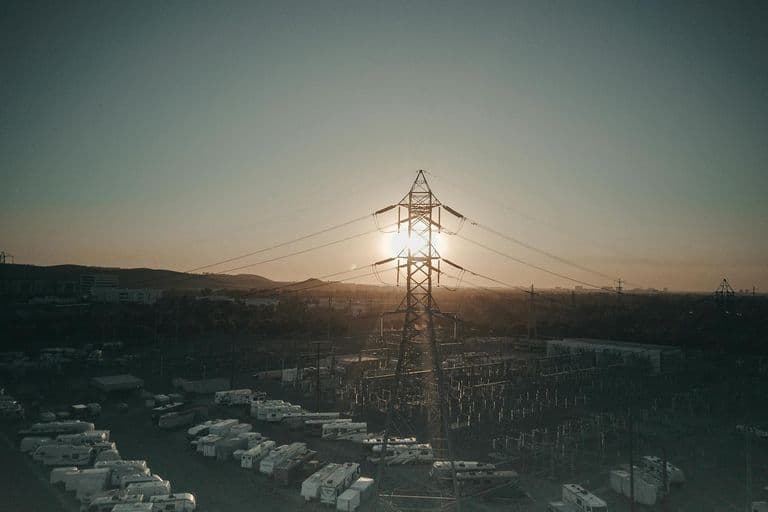
150 Power Plants: The Hidden Grid Cost of Weakening EU EV Targets
Scaling back the EU's electric vehicle targets could force Europe to build the equivalent of 150 new power plants just to keep the electricity grid balanced. EVs aren't just cars — as mobile battery storage, they are a critical and low-cost tool for integrating solar and wind energy into the grid.
Comments
0 commentsBe the first to comment.