
The clean energy sector is showing notable strength on two fronts: wind and solar installations in the United States keep expanding at a healthy pace, while Chinese battery manufacturers are pushing solid-state EV technology closer to commercial viability. Solid-state cells promise higher energy density, improved safety, and longer lifespans compared to conventional lithium-ion batteries — a potential game-changer for the global EV market.
Solid-State Batteries: China Leads, the World Watches
Several Chinese automakers and battery giants, including CATL and BYD-affiliated research arms, are accelerating solid-state development timelines. If mass production arrives in the late 2020s as projected, it could significantly lower EV costs and address range anxiety for consumers across Europe and beyond. This is a development worth tracking closely for anyone invested in the EV transition.
Tesla Robotaxi: Momentum in the Wrong Direction
Tesla's self-driving Robotaxi fleet, however, is a different story. Despite years of bold promises, the program has yet to achieve meaningful commercial deployment. Regulatory hurdles, safety scrutiny, and technical challenges continue to slow its rollout across the US. The gap between Tesla's public timelines and real-world progress is becoming harder to ignore, raising questions about the near-term future of fully autonomous ride-hailing.
The broader takeaway is one of contrast: proven technologies like wind and solar are delivering on their potential, while highly anticipated but complex innovations like autonomous taxis face a longer and bumpier road. For investors and policymakers alike, the message is to back what is already working while remaining patient with what isn't — yet.
Source: Robotaxi has the wrong kind of momentum, but wind, and solar are doing GREAT - Electrek· Based on source, with AI-assisted rewriting.
Related articles
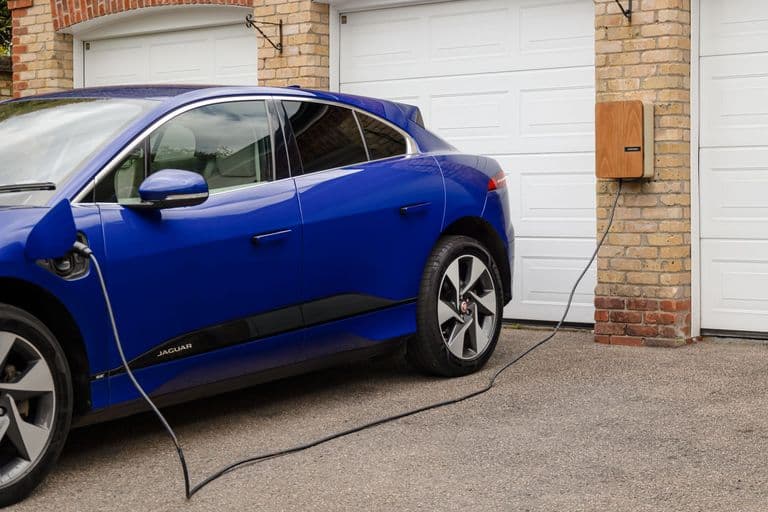
EV in Winter: Range Loss, Home Charging and Preheating
Cold weather can noticeably shrink an electric car's range, as sluggish battery chemistry and cabin heating both draw on the same pack. Preconditioning while plugged in, gentle overnight AC charging and smart timing in a solar-equipped home recover much of that loss. Here is what to expect and how to fit your EV into your home energy setup.
Dutch grid jams force homeowners to delay heat pumps and EV chargers
Thousands of Dutch homeowners are being told to put their heat pump installations and EV charging plans on hold as electricity grid congestion reaches critical levels. The Dutch case is a warning signal for the rest of Europe about the limits of aging grid infrastructure.
GM bets on sodium-ion storage and V2G at home
At its June 2026 Empower event in San Francisco, GM announced US-developed sodium-ion grid-scale battery storage and software-enabled V2G for existing EV owners — two moves that could reshape how homes and grids store renewable energy.
150 Power Plants: The Hidden Grid Cost of Weakening EU EV Targets
Scaling back the EU's electric vehicle targets could force Europe to build the equivalent of 150 new power plants just to keep the electricity grid balanced. EVs aren't just cars — as mobile battery storage, they are a critical and low-cost tool for integrating solar and wind energy into the grid.
Comments
0 commentsBe the first to comment.