
Wisconsin has launched the next phase of NEVI (National Electric Vehicle Infrastructure) funding, making approximately $40 million available for new EV fast-charging projects. The state has already completed its Alternative Fuel Corridor network along major highways, and this new round is specifically designed to push charging infrastructure into areas beyond those primary routes.
What Is the NEVI Program?
NEVI was established under the 2021 Bipartisan Infrastructure Law, allocating over $5 billion nationally to build out a reliable EV charging network across all 50 states. Each state receives a share of funds distributed in phases, with early rounds focused on federally designated highway corridors and later rounds — like this one in Wisconsin — targeting broader geographic coverage.
Why This Round Matters for EV Drivers
Expanding beyond the corridor network is a critical step: it brings fast charging closer to rural communities, smaller cities, and destinations that EV drivers currently avoid due to range anxiety. Wisconsin's approach reflects a broader national trend of shifting from spine-building to gap-filling in EV infrastructure policy.
For European observers, this mirrors the goals of the EU's AFIR regulation, which mandates charging stations at regular intervals on the TEN-T network — and increasingly pushes member states to address coverage gaps in secondary regions as well.
Source: Wisconsin opens new NEVI funding round for EV charging expansion - Electrive (EN)· Based on source, with AI-assisted rewriting.
Related articles
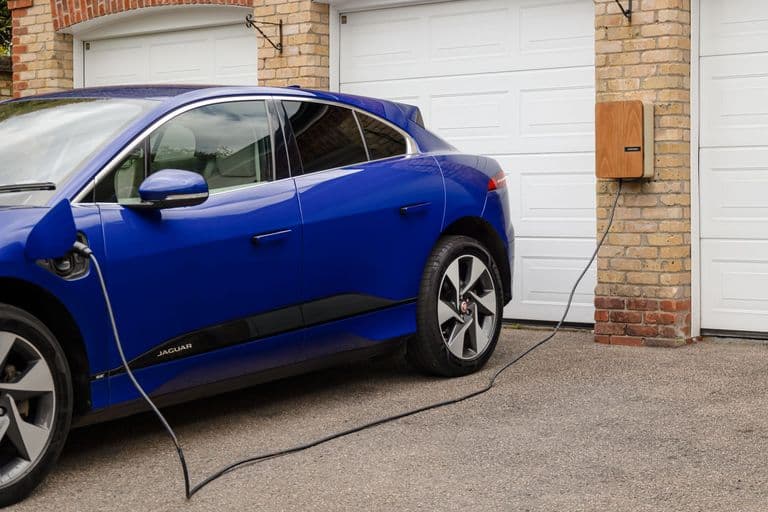
EV in Winter: Range Loss, Home Charging and Preheating
Cold weather can noticeably shrink an electric car's range, as sluggish battery chemistry and cabin heating both draw on the same pack. Preconditioning while plugged in, gentle overnight AC charging and smart timing in a solar-equipped home recover much of that loss. Here is what to expect and how to fit your EV into your home energy setup.
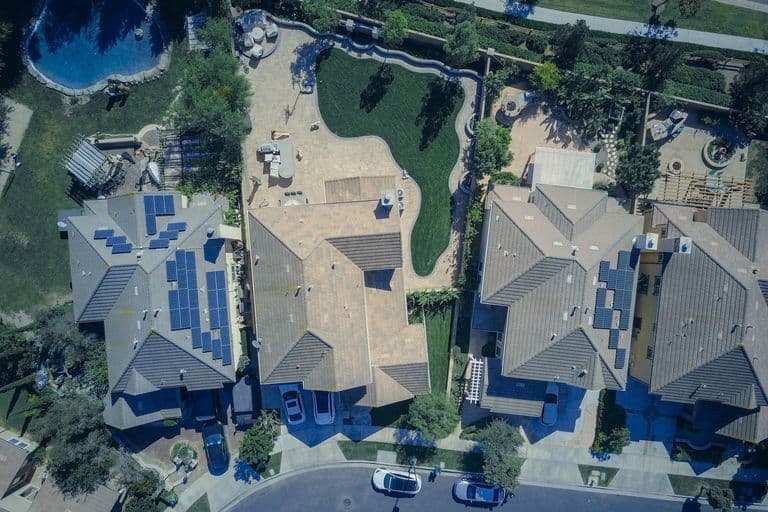
Battery storage booms, but Australia's grid edge lags behind
Australia's Cheaper Home Batteries Program has added 10.7 GWh of distributed storage to the grid, while EV sales surge to one in six new cars. Yet the country's biggest challenge is no longer on the supply side — it's the low-voltage distribution network that can't keep pace with simultaneous demand from EVs, home batteries and data centres.
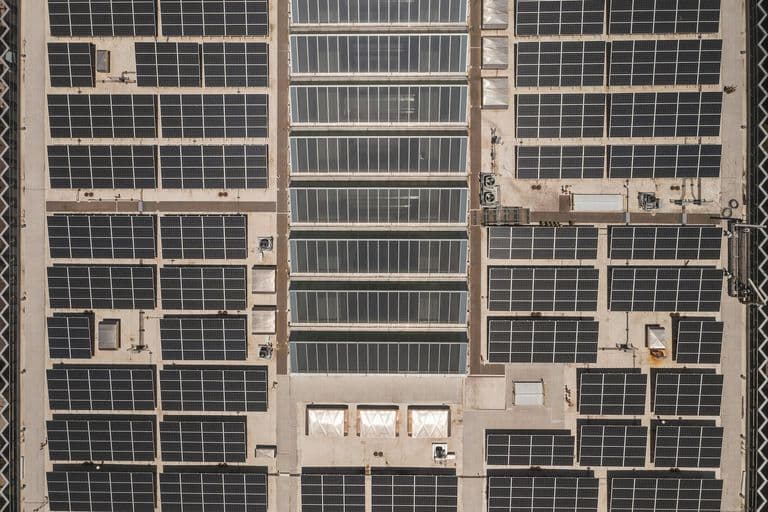
Dutch grid crisis: solar owners asked to cut output at peak times
The Netherlands is facing severe electricity grid congestion, with distributors Liander and Enexis calling on solar PV owners to temporarily reduce feed-in during peak hours. Around 7,300 customers are waiting for stronger grid connections, and new priority rules take effect in July 2026.
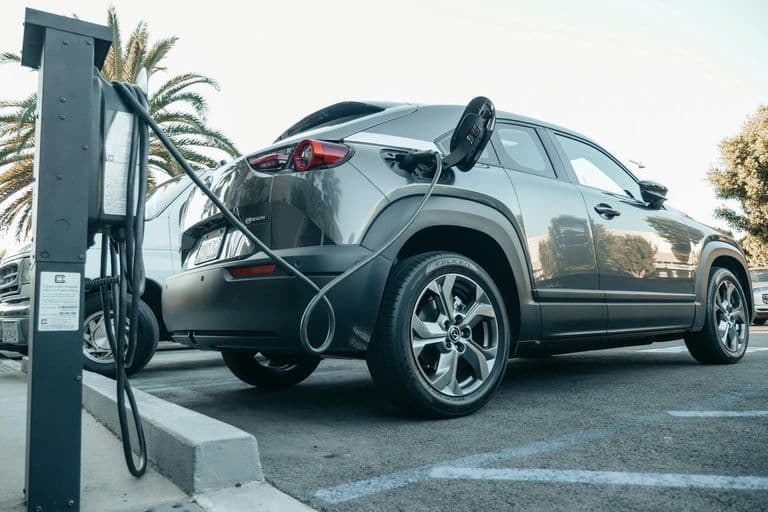
EV Charging Incentives for Apartment Buildings: Santa Barbara Shows the Way
Santa Barbara Clean Energy, a California-based Community Choice Aggregator, has launched new EV charging support and incentives specifically targeting multifamily residential properties. The program combines financial incentives with technical assistance to bring charging infrastructure to apartment buildings — a challenge many EV drivers in shared housing face globally.
Comments
0 commentsBe the first to comment.