
The numbers in international energy databases tell only part of the story. Official records track large, grid-connected solar parks announced by governments — but a parallel, largely invisible wave of commercial rooftop and off-grid PV installations is unfolding across Africa. According to an analysis by the African Solar Industry Association (AfSIA) based on Chinese module export data, the actual solar capacity installed or ready for installation in Africa in 2025 likely exceeded 16 GW — nearly four times the officially registered 3.5–3.8 GW. There is little evidence of significant stockpiling, suggesting the panels are genuinely being put to use.
Why solar is winning against diesel, not the grid
China's role and the spread beyond South Africa
The rapid growth of distributed solar raises serious questions for state-owned utilities, many of which are already financially fragile. Tariffs are often held artificially low, infrastructure investment is inadequate, and technical losses are high. As the most creditworthy customers — businesses and wealthier households — build their own solar supply, utilities face an accelerating revenue squeeze. This risks a self-reinforcing cycle: weaker grid finances lead to worse service, which makes off-grid solar even more attractive. However, framing this purely as a utility problem risks missing the bigger picture: access to reliable, affordable energy has long been a bottleneck for economic development across Africa, and distributed solar plus storage is now removing that barrier faster than any grid expansion programme could.
For international solar investors, technology providers and policymakers, the African market is signalling something important: where solar and battery storage deliver a compelling return without subsidies, deployment accelerates far beyond what official statistics capture. The authors of the underlying analysis, including Toby Couture, founder and CEO of E3 Analytics, argue that the decisive question is no longer whether solar will scale massively in Africa — it already is. The question is how fast regulatory, financial and infrastructure systems can adapt to a new energy reality that is already happening on the ground.
Source: Afrika: Eine stille Photovoltaik-Revolution mit globaler Bedeutung - PV Magazine Deutschland· Based on source, with AI-assisted rewriting.
Related articles

How Much Do Solar Panels Produce in Winter? Realistic Numbers
Winter output from a rooftop solar system is a fraction of the summer peak: shorter days, a low sun, cloud and snow mean that the four darkest months together typically deliver only around a tenth to a fifth of the annual yield, depending on latitude. This guide sets realistic month-by-month expectations, explains what winter means for self-consumption and your bill, shows how a battery and smart scheduling help, and why you should never size a system for December.

Pre-Season Heat Pump Checklist: What to Check in September
A heat pump does most of its work in the coldest months, but how much electricity it burns doing so is largely decided in September. Here is what homeowners can check themselves, from the outdoor unit to the heating curve, what to leave to a qualified engineer, and how to get the most out of rooftop solar in the autumn months.
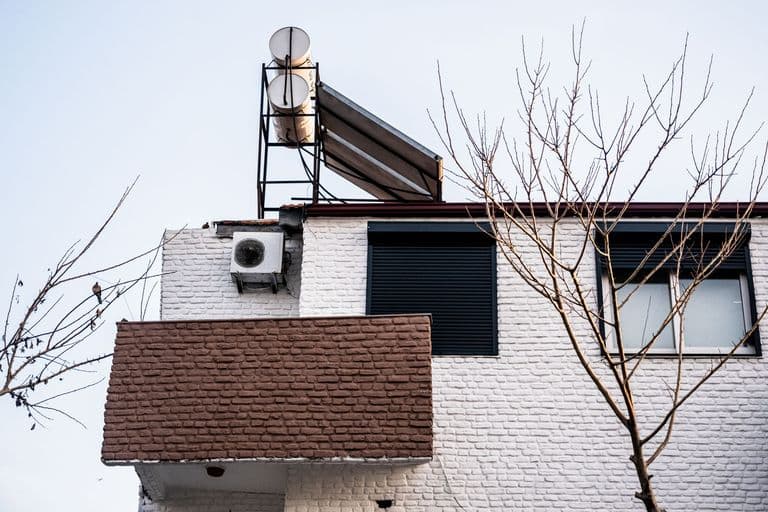
Air conditioning on solar power: what summer cooling really costs in 2026
In a heatwave, air conditioning becomes one of the biggest loads in a household — exactly when solar panels produce the most. We look at what cooling costs with and without solar, how much extra capacity you need, and what to watch for when sizing a system.
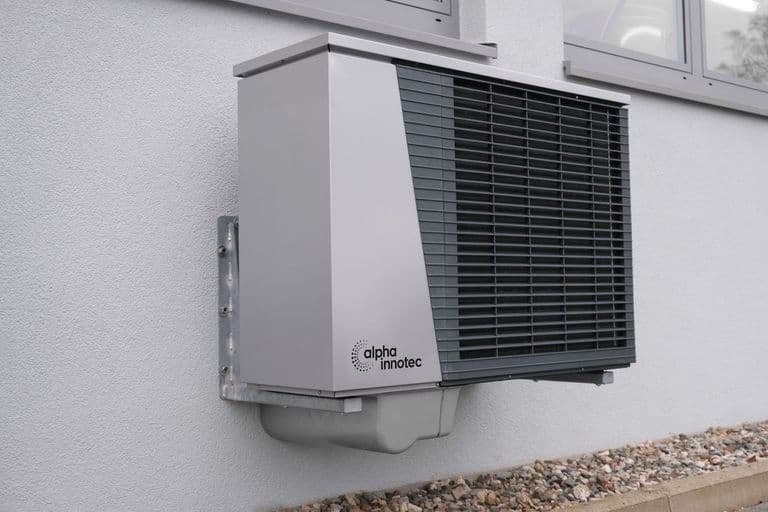
Heat Pump, Solar & H Tariff: How to Plan Together
Combining a heat pump, rooftop solar panels and a preferential electricity tariff can significantly cut household energy bills — but only if you plan all three as one integrated system. This guide walks through the decision logic, common mistakes and key considerations for homeowners.
Comments
0 commentsBe the first to comment.