
The electric bicycle market is undergoing a painful consolidation phase. Estonian premium e-bike brand Ampler has filed for bankruptcy, marking one of the more high-profile exits from a sector that enjoyed explosive growth during the pandemic years. Ampler was known for its sleek, minimalist urban e-bikes and had built a loyal following across Europe.
United Wheels: Two Brands Hit Hard
United Wheels, a major bicycle conglomerate, has announced the permanent closure of its Buzz e-bike brand and an indefinite pause on Niner, the well-regarded mountain bike label. The moves reflect broader industry pressures: bloated post-pandemic inventory, softening consumer demand, and tighter credit conditions that have squeezed brands at multiple price points.
On a more positive note, Paragon Machine Works — a respected frame component manufacturer whose uncertain future was flagged in a previous episode — has found a buyer and will continue operating. Lycra also emerged from Chapter 11 bankruptcy protection this week, signaling resilience in the broader cycling supply chain.
What This Means for E-Bike Buyers
For consumers, the wave of brand closures raises real questions about long-term parts availability and warranty support for existing bikes. Industry observers suggest that the brands most likely to survive are those with strong manufacturing partnerships or diversified distribution. Despite the turbulence, consumer interest in e-bikes — especially cargo bikes and mid-drive models — remains robust, as evidenced by continued strong editorial demand for buying guides and trail features like the Cape Cod Rail Trail.
Source: Ampler Files for Bankruptcy, United Wheels Closes Buzz and Pauses Niner, Paragon Machine Works Finds a Buyer | TWR Ep 85 - Electric Bike Report· Based on source, with AI-assisted rewriting.
Related articles
GM bets on sodium-ion storage and V2G at home
At its June 2026 Empower event in San Francisco, GM announced US-developed sodium-ion grid-scale battery storage and software-enabled V2G for existing EV owners — two moves that could reshape how homes and grids store renewable energy.
150 Power Plants: The Hidden Grid Cost of Weakening EU EV Targets
Scaling back the EU's electric vehicle targets could force Europe to build the equivalent of 150 new power plants just to keep the electricity grid balanced. EVs aren't just cars — as mobile battery storage, they are a critical and low-cost tool for integrating solar and wind energy into the grid.
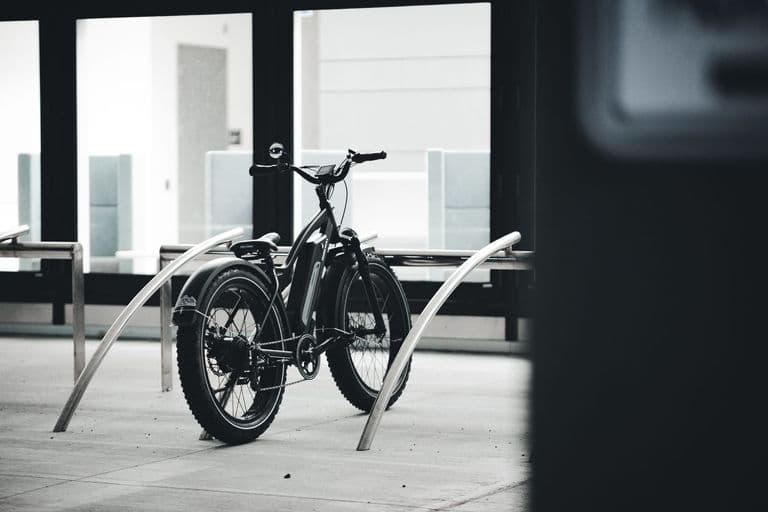
Electric Commuter Bikes: What to Look for in an E-Bike
Electric bikes are becoming a serious option for daily urban commuting across Europe. The right e-bike offers programmable assist levels, a reliable battery, and enough versatility to handle varied terrain.

Battery storage booms, but Australia's grid edge lags behind
Australia's Cheaper Home Batteries Program has added 10.7 GWh of distributed storage to the grid, while EV sales surge to one in six new cars. Yet the country's biggest challenge is no longer on the supply side — it's the low-voltage distribution network that can't keep pace with simultaneous demand from EVs, home batteries and data centres.
Comments
0 commentsBe the first to comment.