
China currently manufactures the vast majority of the world's solar panels, with production capacity far exceeding domestic demand. The resulting global oversupply has driven module prices to historic lows, which — depending on policy response — can either accelerate the energy transition or trigger a protectionist backlash that ultimately delays it.
A historic price drop for solar
Over the past two years, solar panel prices have fallen by roughly 50%, largely driven by Chinese manufacturing scale. For households and businesses across Europe, North America, and the developing world, this means rooftop and utility-scale solar installations are cheaper than ever. A standard 5 kW residential system in Central Europe now costs a fraction of what it did in 2021.
Storage and self-consumption: the real prize
The same dynamic applies to battery storage. Chinese-driven cost reductions in lithium-ion cells mean that pairing a solar array with a home battery is increasingly cost-effective. This combination — solar plus storage — is the key to genuine energy independence for households, reducing grid dependence and lowering electricity bills regardless of wholesale price volatility.
The FT's core argument is that trade barriers and import tariffs, while politically understandable, slow down the very energy transition that climate goals demand. The rational response is not to waste this surplus through protectionism, but to invest in grid infrastructure, permitting reform, and installer capacity so that cheap panels can be deployed at scale — and quickly.
Source: Wasting China’s solar panel surplus is madness - Financial Times - Google News — Solar· Based on source, with AI-assisted rewriting.
Related articles

How Much Do Solar Panels Produce in Winter? Realistic Numbers
Winter output from a rooftop solar system is a fraction of the summer peak: shorter days, a low sun, cloud and snow mean that the four darkest months together typically deliver only around a tenth to a fifth of the annual yield, depending on latitude. This guide sets realistic month-by-month expectations, explains what winter means for self-consumption and your bill, shows how a battery and smart scheduling help, and why you should never size a system for December.

Pre-Season Heat Pump Checklist: What to Check in September
A heat pump does most of its work in the coldest months, but how much electricity it burns doing so is largely decided in September. Here is what homeowners can check themselves, from the outdoor unit to the heating curve, what to leave to a qualified engineer, and how to get the most out of rooftop solar in the autumn months.
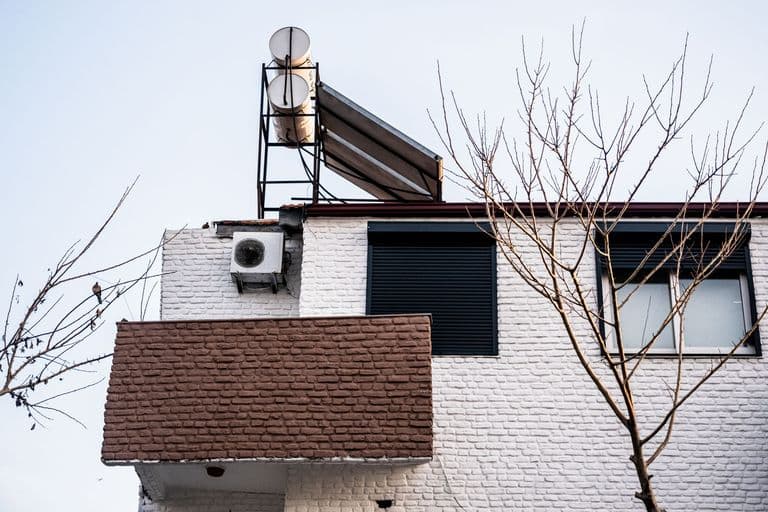
Air conditioning on solar power: what summer cooling really costs in 2026
In a heatwave, air conditioning becomes one of the biggest loads in a household — exactly when solar panels produce the most. We look at what cooling costs with and without solar, how much extra capacity you need, and what to watch for when sizing a system.
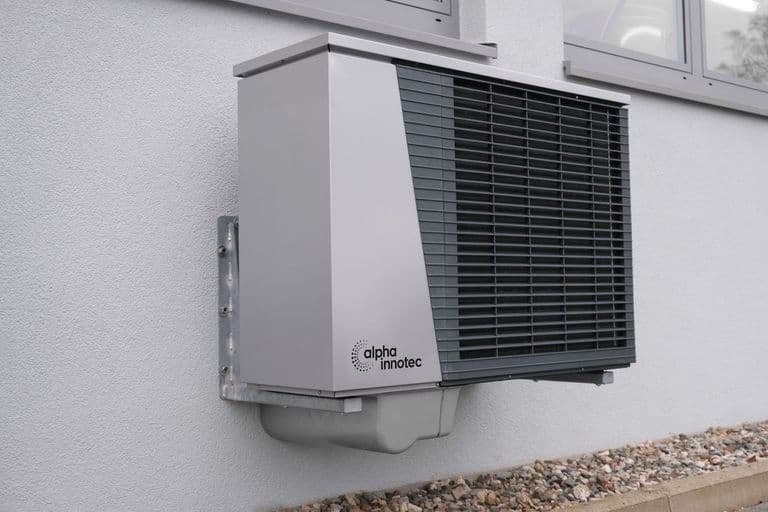
Heat Pump, Solar & H Tariff: How to Plan Together
Combining a heat pump, rooftop solar panels and a preferential electricity tariff can significantly cut household energy bills — but only if you plan all three as one integrated system. This guide walks through the decision logic, common mistakes and key considerations for homeowners.
Comments
0 commentsBe the first to comment.