
Cypress Creek Energy has closed a $3.5 billion financing package covering the construction and long-term operation of the first two phases of the Steel River Energy Center, located in Mississippi County, Arkansas. The deal marks one of the most significant capital commitments to a utility-scale solar-plus-storage project in recent US history.
Solar paired with storage: the new standard
The successful close of this financing round signals strong investor confidence in the solar and energy storage sector. Arkansas benefits from favorable solar irradiation in the US South, supporting competitive levelized costs of energy (LCOE). The project structure — blending construction and operational financing — offers a replicable model for large-scale renewable developers globally.
What this means for Europe and beyond
Source: Green light for green energy: Cypress Creek secures $3.5B for Arkansas solar and battery storage megaproject - Renewable Energy World· Based on source, with AI-assisted rewriting.
Related articles

How Much Do Solar Panels Produce in Winter? Realistic Numbers
Winter output from a rooftop solar system is a fraction of the summer peak: shorter days, a low sun, cloud and snow mean that the four darkest months together typically deliver only around a tenth to a fifth of the annual yield, depending on latitude. This guide sets realistic month-by-month expectations, explains what winter means for self-consumption and your bill, shows how a battery and smart scheduling help, and why you should never size a system for December.

Pre-Season Heat Pump Checklist: What to Check in September
A heat pump does most of its work in the coldest months, but how much electricity it burns doing so is largely decided in September. Here is what homeowners can check themselves, from the outdoor unit to the heating curve, what to leave to a qualified engineer, and how to get the most out of rooftop solar in the autumn months.

Air conditioning on solar power: what summer cooling really costs in 2026
In a heatwave, air conditioning becomes one of the biggest loads in a household — exactly when solar panels produce the most. We look at what cooling costs with and without solar, how much extra capacity you need, and what to watch for when sizing a system.
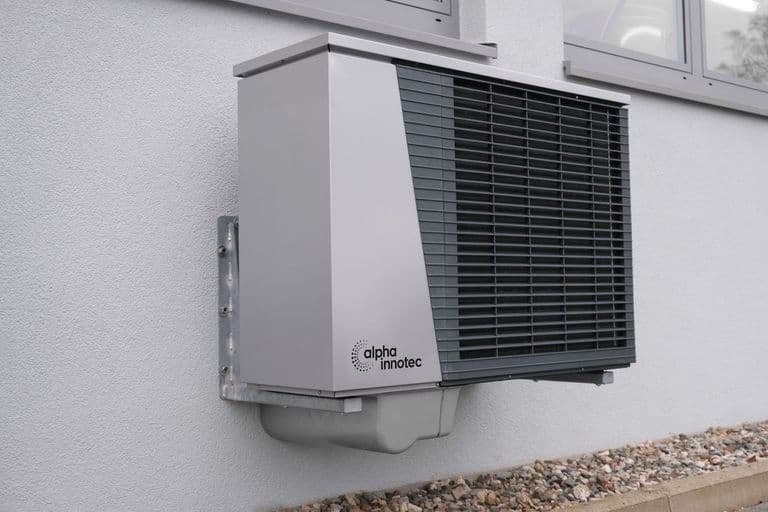
Heat Pump, Solar & H Tariff: How to Plan Together
Combining a heat pump, rooftop solar panels and a preferential electricity tariff can significantly cut household energy bills — but only if you plan all three as one integrated system. This guide walks through the decision logic, common mistakes and key considerations for homeowners.
Comments
0 commentsBe the first to comment.