
In September the days are still mild and the heat pump is probably only making hot water, which is exactly what makes it the right month for a walk-around. A clogged strainer, a system that has quietly lost pressure, or a heating curve that was cranked up in a panic last January can all be sorted out calmly now, without a waiting list. The same faults discovered on the first frosty morning in November mean a cold house and an emergency call-out fee. This is not a buying guide or a cost comparison; it is an operating checklist for households whose system is already installed and running.
Outdoor unit, filters and pressure: what you can check yourself
The fin coil on the outdoor unit has spent the summer collecting poplar fluff, grass clippings, cobwebs and dust, and every layer reduces heat exchange on the air side. Check that the fins are clear, that there is free space in front of and behind the unit for airflow, and that no hedge has grown around it or garden clutter been stacked against it. Clean the fins gently, using only a soft brush or a low-pressure hose, because a pressure washer will easily bend them, and switch the unit off at the isolator first. Look at the condensate drain too: defrost cycles produce a surprising amount of water in winter, and if it pools around the base it can freeze into a block of ice that eventually reaches the fan. Indoors, the two things worth a look are the dirt strainer or magnetic filter on the heating circuit and the reading on the pressure gauge; if pressure has dropped noticeably since spring, the system is losing water somewhere, and rather than topping it up quietly you should have an engineer find the leak.
Some things are not a job for the homeowner. The refrigerant circuit is sealed, and its pressure, tightness and charge should only be checked by someone with the right qualification and instruments; depending on the size of the charge, a periodic leak test may also be a legal requirement in many countries. The same goes for any work on the electrical side, which belongs to a qualified engineer as well. An annual service typically covers tightening electrical connections, measuring compressor current, checking sensors and the defrost logic, and updating the controller firmware. Book it for September, because after the first cold week service diaries fill up for weeks. Outside the annual visit, call an engineer if the outdoor unit becomes unusually loud or vibrates, if ice on it does not melt during the day, if the controller shows error codes, or if consumption is clearly higher than a year ago in similar weather.
How to set the heating curve for low-temperature operation
A heat pump's efficiency depends mainly on the temperature of the water it has to produce: the lower the flow temperature, the better the coefficient of performance, and roughly speaking, every degree you shave off brings a noticeable saving. The heating curve tells the unit which flow temperature to aim for at a given outdoor temperature, so it pays to start the season with a slightly flatter curve and only raise it if rooms genuinely fail to warm up on cold days. Underfloor heating typically works with a flow temperature of around thirty degrees Celsius, radiators need more, but often far less than a setting inherited from a gas boiler. Make sure room thermostats are not fighting the curve: if they keep switching the system off, the unit runs in short, frequent cycles, which hurts efficiency and wears the compressor. The hot water setting does not need to be at the maximum either; a moderate cylinder temperature plus the manufacturer's recommended weekly anti-legionella heat-up is usually enough.
Look at the emitters and the buffer tank as well, because the best curve is worthless if the heat cannot get out into the rooms. Bleed the radiators, open the thermostatic valves, and on underfloor systems check that every loop is flowing so the system can deliver heat over the largest possible surface. Make sure some emitters or a bypass always stay open, because the heat pump needs a minimum flow rate for defrosting and steady running, and in many systems that is exactly what the buffer tank provides. The night setback you may be used to from a gas boiler rarely pays off here: a fast morning reheat demands a high flow temperature and often brings in the electric backup heater, which costs more than the overnight saving. Set continuous operation with at most a one- or two-degree overnight reduction instead, and check the controller's statistics to see how many hours the backup heater ran last winter, because a high figure on its own points to a settings or sizing problem.
Running the heat pump on solar power in autumn
In September and October a rooftop PV array still delivers respectable midday output while heating demand is low, which makes these two months ideal for heating the hot water cylinder and the buffer tank from your own generation. If the heat pump has an SG Ready or similar interface, the inverter or an energy manager can signal surplus production to it; on simpler systems a daytime schedule does much of the work, raising the hot water and buffer set points during sunny hours so the tanks store the electricity as heat. In winter, PV usually covers only a fraction of a heat pump's consumption, so the real question is how much you can capture in the shoulder months of autumn and spring, and that comes down to how well array size and controls are matched. If you are unsure whether your settings, emitters and solar system are working together properly, a local heating engineer or PV installer can review the whole setup on site before the cold arrives.
Related articles
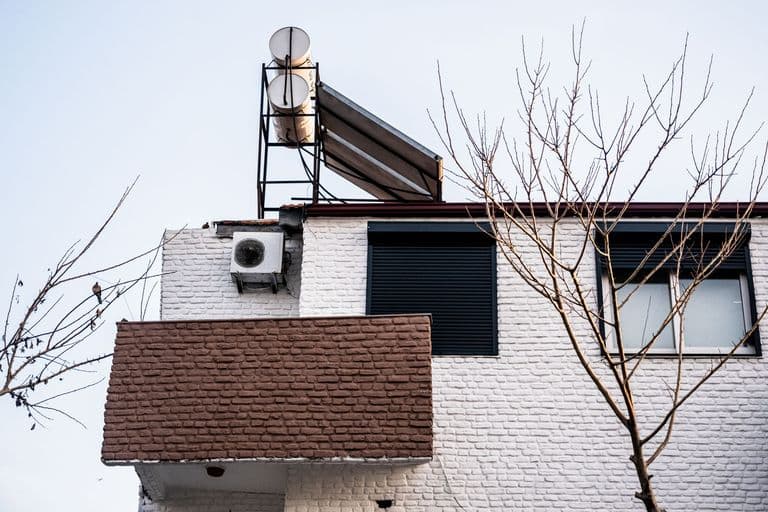
Air conditioning on solar power: what summer cooling really costs in 2026
In a heatwave, air conditioning becomes one of the biggest loads in a household — exactly when solar panels produce the most. We look at what cooling costs with and without solar, how much extra capacity you need, and what to watch for when sizing a system.
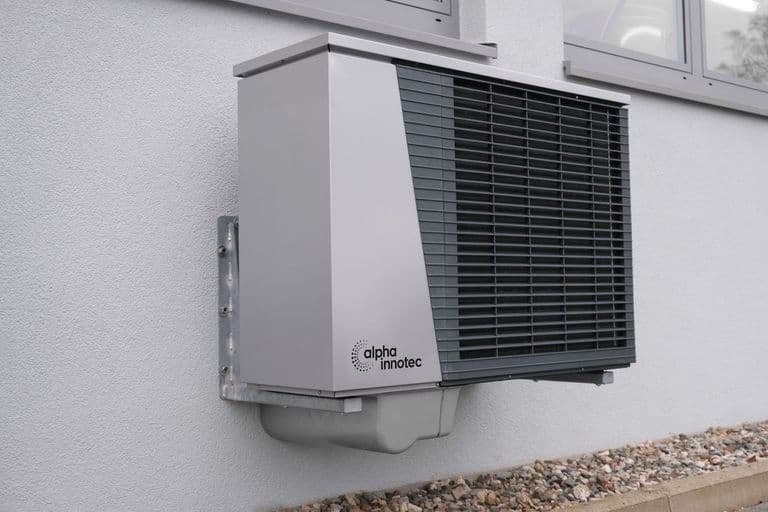
Heat Pump, Solar & H Tariff: How to Plan Together
Combining a heat pump, rooftop solar panels and a preferential electricity tariff can significantly cut household energy bills — but only if you plan all three as one integrated system. This guide walks through the decision logic, common mistakes and key considerations for homeowners.
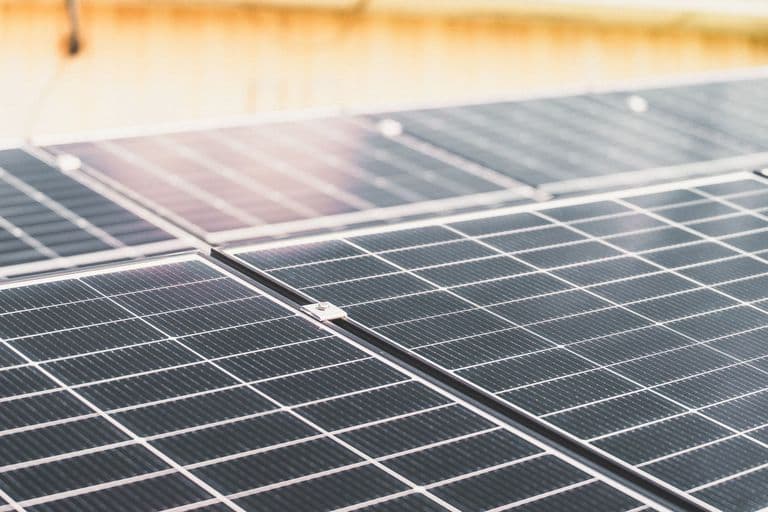
Solar + Heat Pump: When Do They Really Cut Your Bill?
Combining rooftop solar with an air-source heat pump seems like a perfect match, but real savings depend on how well their operating hours overlap. This guide explains the key decision factors for homeowners considering both systems.
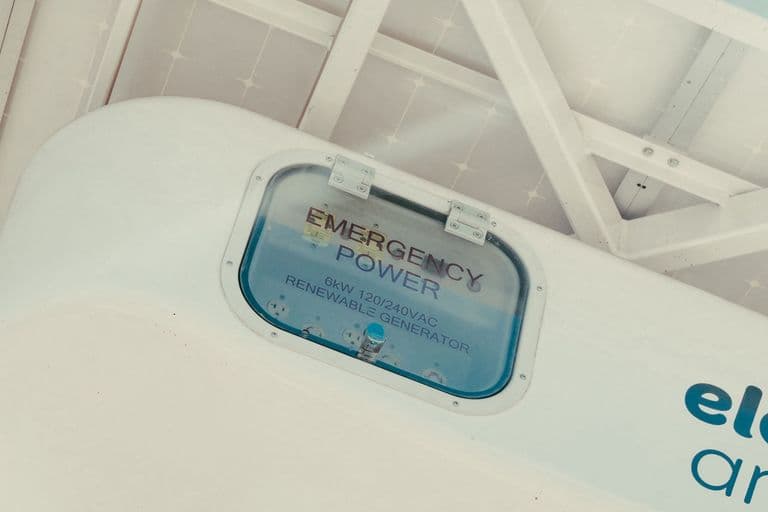
Hybrid Inverter Backup Power: What Keeps Running in an Outage?
A hybrid inverter paired with a battery can keep essential appliances running during a grid outage — but not every device in your home will stay on automatically. This guide explains how backup power actually works, what to expect, and how to plan a system that matches your real needs.
Comments
0 commentsBe the first to comment.