
Summer 2026 has again brought long stretches of 35°C days, and in most homes the air conditioner runs from morning to night. What fewer people consider: cooling demand peaks exactly when the sun is strongest — which is when a rooftop solar system produces the most. This overlap in time is what makes solar plus air conditioning one of the best-returning combinations in home energy.
How much does an air conditioner actually consume?
A typical 3.5 kW (12,000 BTU) inverter split unit draws roughly 0.4–1.2 kW of electrical power while running, depending on the heat and how well the room is insulated. At 8–10 hours a day that adds up to around 5–10 kWh daily — easily 150–300 kWh extra on the monthly bill in a hot month. With two or three units, double that.
Why solar and cooling are a perfect match
Cooling demand tracks sunshine almost perfectly: the stronger the sun, the hotter the house, and the more the roof produces. Because the AC runs during the day, the solar power is consumed immediately on site — the best possible case for self-consumption. Under modern billing schemes that reward using your own production rather than exporting it, daytime cooling captures more of your system's real value.
How much extra capacity do you need?
As a rule of thumb, about 1–1.5 kWp of additional solar capacity covers the summer consumption of one actively used split unit. If you already have a 4–5 kWp system and run two units hard, an extension may be worth considering; when planning a new system, size cooling in from the start — along with any future EV or heat pump. A home battery raises self-consumption further, letting the afternoon peak cool your home into the evening.
What to look for when buying and operating
Choose an inverter unit with a high seasonal efficiency rating (SEER): it delivers the same cooling from 30–40% less electricity than an old on/off unit. Professional installation and annual cleaning matter beyond efficiency — a clogged filter means higher consumption and shorter equipment life. And remember that most modern split units can also heat, effectively working as an air-to-air heat pump that trims your heating bill in the shoulder seasons.
If you want summer cooling decided on your roof rather than on your electricity bill, the first step is a proper sizing exercise: how much your home consumes, how much of that is cooling, and what system covers it. A local solar installer can survey your home and size the system so that, from then on, your air conditioning effectively runs on sunshine.
Related articles

How Much Do Solar Panels Produce in Winter? Realistic Numbers
Winter output from a rooftop solar system is a fraction of the summer peak: shorter days, a low sun, cloud and snow mean that the four darkest months together typically deliver only around a tenth to a fifth of the annual yield, depending on latitude. This guide sets realistic month-by-month expectations, explains what winter means for self-consumption and your bill, shows how a battery and smart scheduling help, and why you should never size a system for December.

Pre-Season Heat Pump Checklist: What to Check in September
A heat pump does most of its work in the coldest months, but how much electricity it burns doing so is largely decided in September. Here is what homeowners can check themselves, from the outdoor unit to the heating curve, what to leave to a qualified engineer, and how to get the most out of rooftop solar in the autumn months.
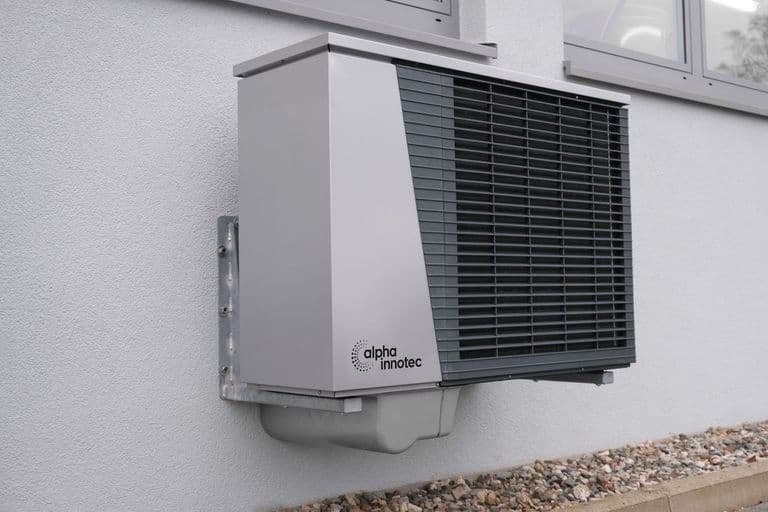
Heat Pump, Solar & H Tariff: How to Plan Together
Combining a heat pump, rooftop solar panels and a preferential electricity tariff can significantly cut household energy bills — but only if you plan all three as one integrated system. This guide walks through the decision logic, common mistakes and key considerations for homeowners.
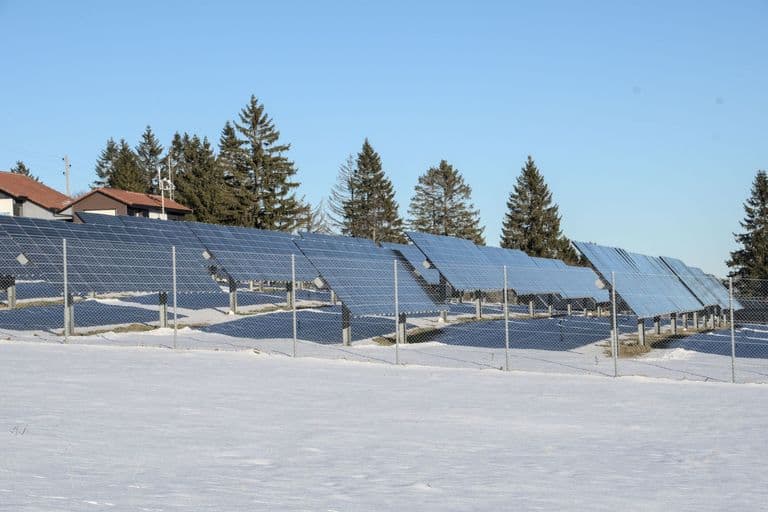
Solar PV in the Arctic: Svalbard's surprising potential
Researchers at Norway's SINTEF have found that solar PV in Longyearbyen, one of the world's northernmost inhabited settlements, can achieve capacity factors comparable to central European cities during summer. The study shows that PV, combined with wind and storage, could play a pivotal role in the Arctic energy transition.
Comments
0 commentsBe the first to comment.