
Persistently high gasoline prices across Europe and beyond have made electric vehicles increasingly attractive to everyday drivers. Yet the decision to go electric is not simply about fuel savings — it involves a realistic look at your driving habits, home setup, and financial situation before committing to a purchase.
The most fundamental question is where you will charge. Drivers with a private garage or dedicated parking spot can install a home wallbox relatively easily, turning overnight charging into a routine. Those living in apartment buildings without dedicated parking face a bigger challenge and will depend more heavily on public charging infrastructure, which — while expanding rapidly across the EU — is still uneven in coverage depending on the region.
Your typical daily mileage matters enormously. If you drive fewer than 150 km per day, the vast majority of modern EVs will handle your needs with battery capacity to spare. For frequent long-distance trips, it is worth mapping out fast-charging options along your regular routes — networks like Ionity, Tesla Supercharger, and various national providers are steadily filling in the gaps across Europe.
On the financial side, EVs generally carry a higher upfront price than comparable combustion-engine cars, but running costs are significantly lower. Charging at home typically costs a fraction of filling up with gasoline, and maintenance expenses are reduced due to fewer moving parts. Many EU countries also offer purchase subsidies or tax incentives that can narrow the price gap considerably.
Finally, consider the battery warranty and long-term value. Most manufacturers now offer 8-year or 160,000 km battery warranties, which reduces the risk of a costly replacement during typical ownership periods. Comparing warranty terms across models is a smart step before signing any contract.
Source: High gas prices have you considering an electric car? Ask yourself these questions before making the switch. - Yahoo - Google News — EV· Based on source, with AI-assisted rewriting.
Related articles
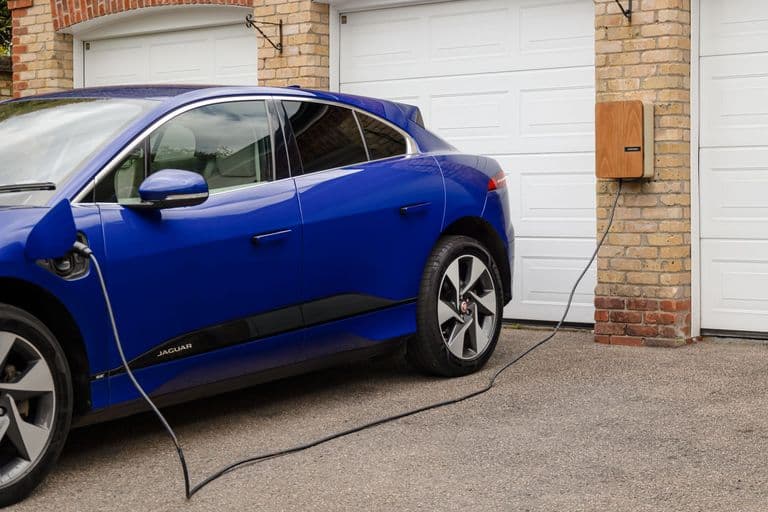
EV in Winter: Range Loss, Home Charging and Preheating
Cold weather can noticeably shrink an electric car's range, as sluggish battery chemistry and cabin heating both draw on the same pack. Preconditioning while plugged in, gentle overnight AC charging and smart timing in a solar-equipped home recover much of that loss. Here is what to expect and how to fit your EV into your home energy setup.
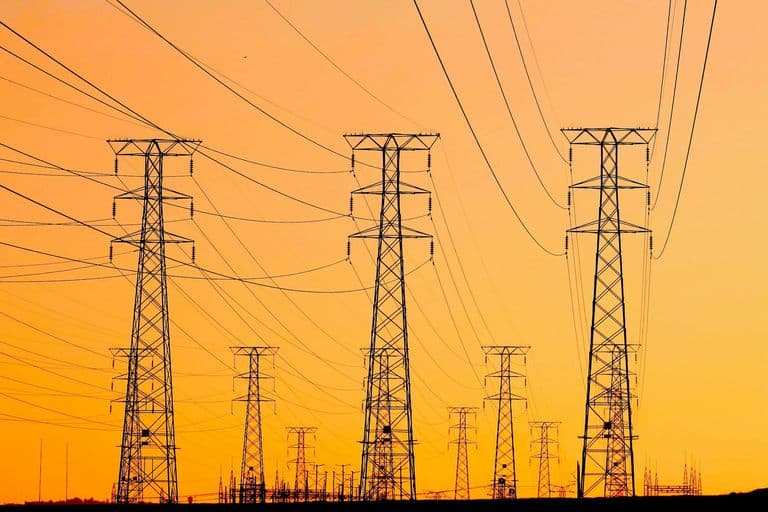
Dutch grid jams force homeowners to delay heat pumps and EV chargers
Thousands of Dutch homeowners are being told to put their heat pump installations and EV charging plans on hold as electricity grid congestion reaches critical levels. The Dutch case is a warning signal for the rest of Europe about the limits of aging grid infrastructure.
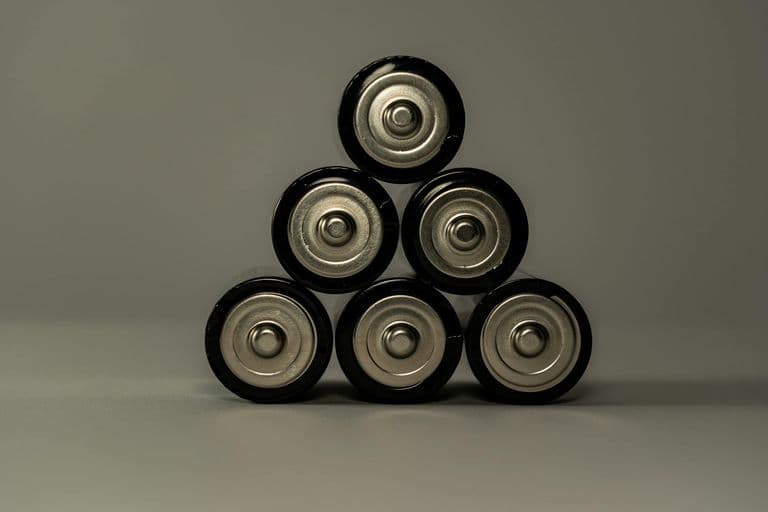
GM bets on sodium-ion storage and V2G at home
At its June 2026 Empower event in San Francisco, GM announced US-developed sodium-ion grid-scale battery storage and software-enabled V2G for existing EV owners — two moves that could reshape how homes and grids store renewable energy.

150 Power Plants: The Hidden Grid Cost of Weakening EU EV Targets
Scaling back the EU's electric vehicle targets could force Europe to build the equivalent of 150 new power plants just to keep the electricity grid balanced. EVs aren't just cars — as mobile battery storage, they are a critical and low-cost tool for integrating solar and wind energy into the grid.
Comments
0 commentsBe the first to comment.