
Heat pump water heaters (HPWHs) are gaining traction across North America and Europe as one of the most efficient ways to produce hot water at home. Unlike conventional electric water heaters, they extract heat from the surrounding air, achieving energy efficiencies up to three or four times higher — a compelling case for any household looking to cut energy bills.
An opinion piece published in Maine's Portland Press Herald tells the relatable story of a writer slowly winning over their sceptical father to the idea of installing a heat pump water heater. The father's initial hesitation — rooted in unfamiliarity and upfront cost concerns — reflects a common barrier that many homeowners face when considering the switch from traditional gas or electric boilers.
In the EU and the US, government incentives are increasingly available to offset the purchase price of HPWHs. In the United States, the Inflation Reduction Act offers a federal tax credit of up to 30% for qualifying heat pump water heaters. In Europe, national rebate schemes and EU energy efficiency directives are also pushing adoption forward.
Pairing a heat pump water heater with rooftop solar panels creates an even more powerful combination — surplus solar electricity can directly power the unit, bringing hot water costs close to zero. As energy prices remain volatile, HPWHs represent one of the most cost-effective home upgrades available today, with typical payback periods of three to six years.
Source: My dad’s warming up to the heat pump water heater | Opinion - The Portland Press Herald - Google News — Heat Pump· Based on source, with AI-assisted rewriting.
Related articles

Pre-Season Heat Pump Checklist: What to Check in September
A heat pump does most of its work in the coldest months, but how much electricity it burns doing so is largely decided in September. Here is what homeowners can check themselves, from the outdoor unit to the heating curve, what to leave to a qualified engineer, and how to get the most out of rooftop solar in the autumn months.

Air conditioning on solar power: what summer cooling really costs in 2026
In a heatwave, air conditioning becomes one of the biggest loads in a household — exactly when solar panels produce the most. We look at what cooling costs with and without solar, how much extra capacity you need, and what to watch for when sizing a system.
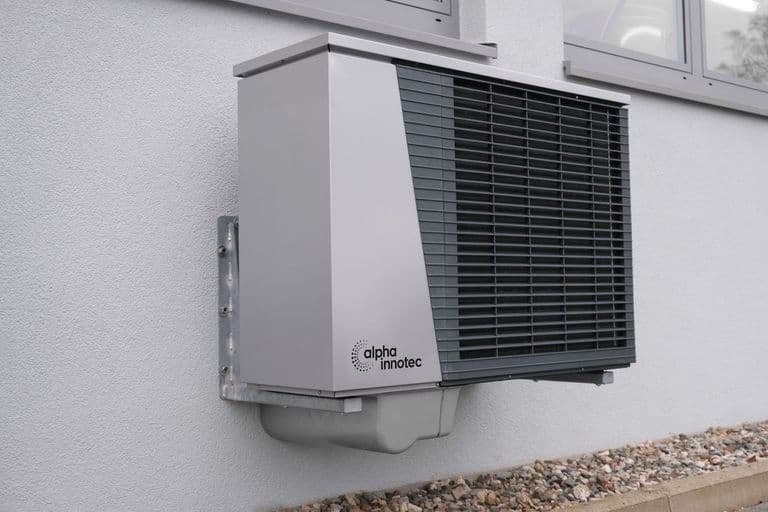
Heat Pump, Solar & H Tariff: How to Plan Together
Combining a heat pump, rooftop solar panels and a preferential electricity tariff can significantly cut household energy bills — but only if you plan all three as one integrated system. This guide walks through the decision logic, common mistakes and key considerations for homeowners.
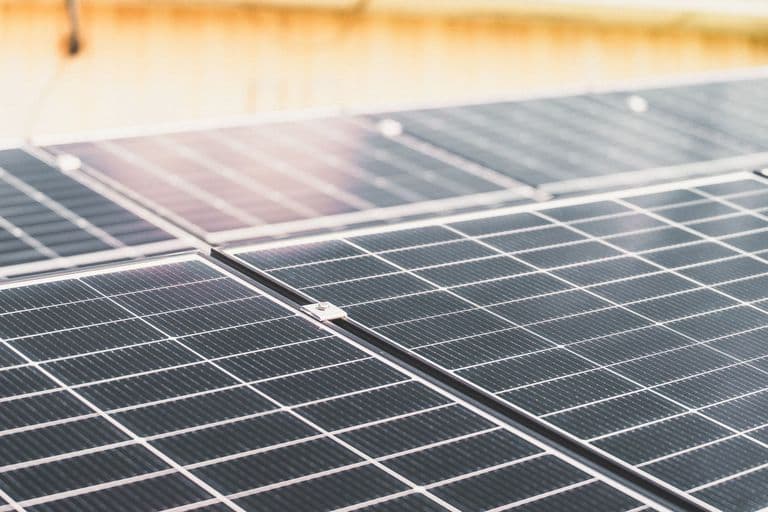
Solar + Heat Pump: When Do They Really Cut Your Bill?
Combining rooftop solar with an air-source heat pump seems like a perfect match, but real savings depend on how well their operating hours overlap. This guide explains the key decision factors for homeowners considering both systems.
Comments
0 commentsBe the first to comment.