
Heat pumps and solar photovoltaic systems are among the most talked-about home energy upgrades in Europe right now, yet many homeowners install them years apart and miss the synergies that come from integrated planning. The core logic is straightforward: a heat pump consumes electricity to deliver heating or cooling, while a rooftop solar array produces electricity during daylight hours. When sized and controlled together, a large share of the solar output can be directly consumed by the heat pump, minimising grid dependence.
Why the Combination Works So Well
The annual electricity consumption of a heat pump in a well-insulated single-family home typically falls somewhere between 3,000 and 6,000 kWh, depending on climate zone, building insulation, and the heating system's flow temperature. A solar array sized to cover a significant share of this demand – combined with smart energy management – can materially reduce the payback period of both systems compared to installing either one alone.
When Does It Make Sense to Plan Both Together?
Battery storage is not strictly necessary for the combination to work, but it does increase self-consumption significantly. Evening heating demand in shoulder seasons can be covered by energy stored during the midday solar peak. The economics of adding a battery depend on local electricity prices, grid tariff structures, and available incentives – all of which vary considerably across EU member states and should be verified locally.
Smart energy management systems (EMS) are the connective tissue of a well-functioning combined installation. Without coordinated control, a heat pump, solar inverter, and battery will each act independently and the theoretical self-consumption potential will rarely be achieved in practice. Modern EMS platforms can also integrate EV charging and domestic hot water heating, further improving overall system efficiency.
Key Technical Considerations
Government incentives for both heat pumps and solar panels exist in most EU countries, though their scope, eligibility criteria, and funding levels change frequently. Homeowners should always check current national and regional programmes before finalising investment decisions, as the availability of grants can significantly affect the payback calculation. In Hungary, for example, various support schemes have been available periodically, but their terms should be verified with official sources.
For homeowners ready to explore solar quotes for a heat pump integration, platforms like jonapelem.hu (for the Hungarian market) allow comparison of installer proposals and system sizing options. The key takeaway is that integrated planning – treating the heat pump, solar array, and storage as a single energy system – consistently delivers better financial and performance outcomes than piecemeal upgrades.
Related articles

Pre-Season Heat Pump Checklist: What to Check in September
A heat pump does most of its work in the coldest months, but how much electricity it burns doing so is largely decided in September. Here is what homeowners can check themselves, from the outdoor unit to the heating curve, what to leave to a qualified engineer, and how to get the most out of rooftop solar in the autumn months.

Air conditioning on solar power: what summer cooling really costs in 2026
In a heatwave, air conditioning becomes one of the biggest loads in a household — exactly when solar panels produce the most. We look at what cooling costs with and without solar, how much extra capacity you need, and what to watch for when sizing a system.
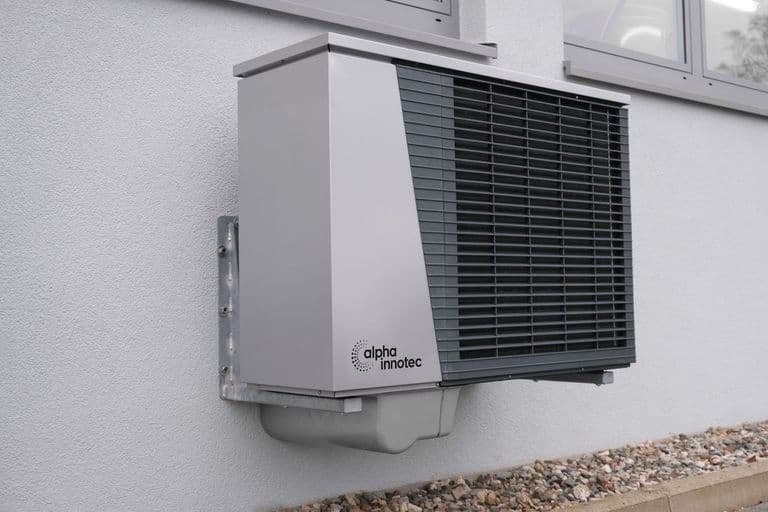
Heat Pump, Solar & H Tariff: How to Plan Together
Combining a heat pump, rooftop solar panels and a preferential electricity tariff can significantly cut household energy bills — but only if you plan all three as one integrated system. This guide walks through the decision logic, common mistakes and key considerations for homeowners.
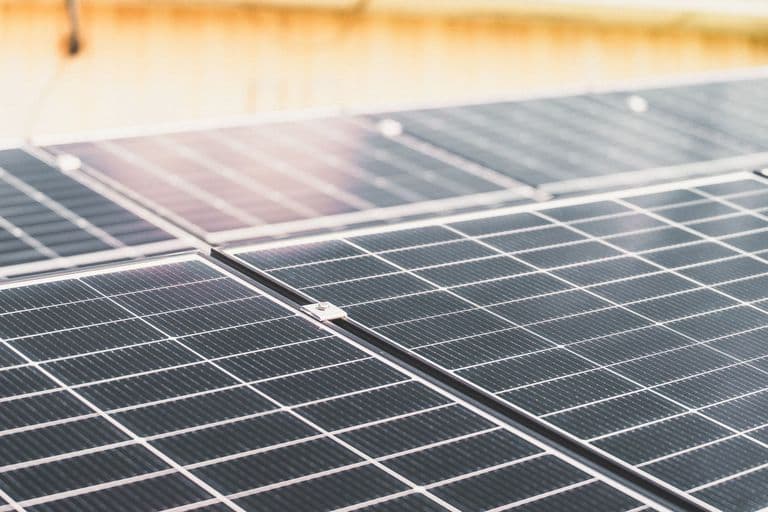
Solar + Heat Pump: When Do They Really Cut Your Bill?
Combining rooftop solar with an air-source heat pump seems like a perfect match, but real savings depend on how well their operating hours overlap. This guide explains the key decision factors for homeowners considering both systems.
Comments
0 commentsBe the first to comment.